You’ll find San Raphael offers a quiet, gated community feel within Carmel Valley, with detached two-story homes, easy freeway access, and close proximity to shopping, schools, and Sorrento Valley workplaces. If you want a family-friendly pocket of Carmel Valley with newer construction, low-maintenance yards, and convenient commutes, San Raphael is a strong contender.
This guide breaks down what living in San Raphael really looks like—home sizes, neighborhood layout, nearby amenities, and how it compares with other top Carmel Valley neighborhoods—so you can quickly see whether this area fits your lifestyle and priorities. Expect clear, practical details to help you weigh schools, home values, and daily convenience as you explore the best neighborhoods in Carmel Valley.
San Raphael blends a compact downtown with residential pockets that range from bayside flats to wooded hills. You’ll find a mix of historic buildings, varied housing styles, and easy access to transit, parks, schools, and Marin County services.
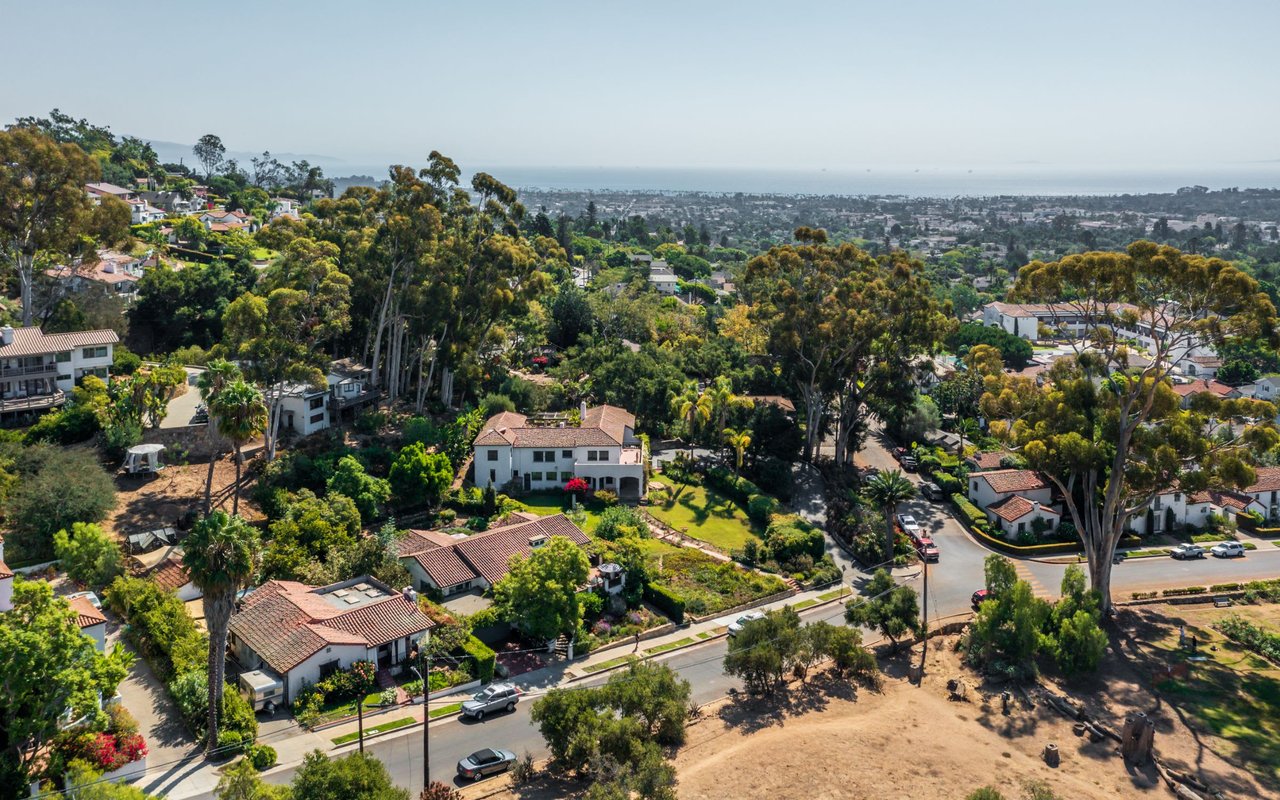
San Raphael sits just north of San Francisco and functions as Marin County’s largest, most diverse city. You’ll encounter a defined downtown with shops, restaurants, and cultural venues concentrated around the Civic Center and Fourth Street areas. Neighborhoods extend outward to bayside districts, older grid-style streets near downtown, and greener, hillier blocks that back onto preserves.
Expect a pedestrian-friendly core and quieter residential streets farther out. Commute options include Highway 101 and local transit; Caltrain and ferry connections require a short drive to nearby hubs. Local events, farmers markets, and a network of neighborhood associations keep community life active.
Housing in San Raphael covers a broad price range and varied architecture—Victorian and Craftsman homes near downtown, mid-century tract houses, and more modern infill. You’ll see higher-priced, smaller-lot homes close to downtown and the bay, while larger properties and Eichler-style mid-century homes appear in northern and western neighborhoods like Lucas Valley and Terra Linda.
Market dynamics: inventory fluctuates seasonally, with greater competition for walkable, centrally located properties. If you want proximity to amenities, budget for a premium; if you prioritize yard space and quieter streets, look toward the hills and outer neighborhoods. Consider zoning and elevation for flood risk and wildfire proximity when comparing properties.
San Raphael serves a mix of public and private school options across elementary, middle, and high school levels. You’ll find district-run elementary schools distributed through neighborhoods, with middle and high schools serving larger attendance zones. Academic performance varies by school, so review recent test scores and school report cards for specifics.
Beyond academics, many schools offer after-school programs, arts, and athletics that tie into community recreation. Private and charter options exist if you seek alternative curricula. Transportation policies and enrollment boundaries can affect your choice; confirm assignment maps and enrollment timelines with the local school district.
Parks range from small neighborhood green spaces to larger regional preserves. You’ll have access to waterfront areas for paddleboarding and bayside walks, plus hilltop trails for hiking and mountain biking in adjacent open space preserves. Popular spots include family-friendly parks with playgrounds and sports fields near residential centers.
Recreation programming includes adult and youth sports leagues, community classes, and seasonal events hosted by city parks departments. Facilities such as community centers and dog parks support diverse uses. Check park maps for trailhead locations, permitted activities, and parking restrictions before you go.
Carmel Valley mixes newer master-planned communities, top-ranked public schools, and quick freeway access to Del Mar and Torrey Pines. Expect higher-than-city-average home prices, family-oriented neighborhoods, and convenient retail and recreation nodes.
You’ll find Carmel Valley east of I-5, north of University City, and bordered by Torrey Pines to the west. The area has a dense suburban feel with many single-family homes built since the 1990s, plus townhomes and gated enclaves.
Households tend to be families and professionals who commute to UCSD, Sorrento Valley, or downtown.
Schools matter here: Carmel Valley schools consistently rank among San Diego’s best, which drives strong buyer demand. Traffic peaks on I-5 and Carmel Valley Road during commute hours, but most daily errands take 5–15 minutes thanks to nearby shopping centers.
San Raphael is a gated community in the Torrey Hills area of Carmel Valley with roughly 127 homes built around 2000–2001. You’ll see Mediterranean and contemporary-styled two-story homes, often on smaller, low-maintenance lots.
Security and privacy are selling points; the gate, neighborhood scale, and HOA maintenance attract buyers who prefer a lock-and-leave lifestyle.
Expect HOA fees that cover common landscaping, entry maintenance, and sometimes exterior upkeep. Home sizes generally range from ~1,800 to 3,200 sq ft, making them suitable for 3–5 bedroom layouts. Proximity to Torrey Pines High School and Covenant elementary/middle schools adds value for families.
Your daily life centers on parks, trails, and convenience retail. Carmel Valley offers multiple pocket parks, the Los Peñasquitos Creek trail system, and quick drives to Torrey Pines State Reserve for hiking.
Shopping clusters such as the Carmel Mountain Plaza and Del Mar Heights Plaza provide grocery, dining, and services within a 5–10 minute drive.
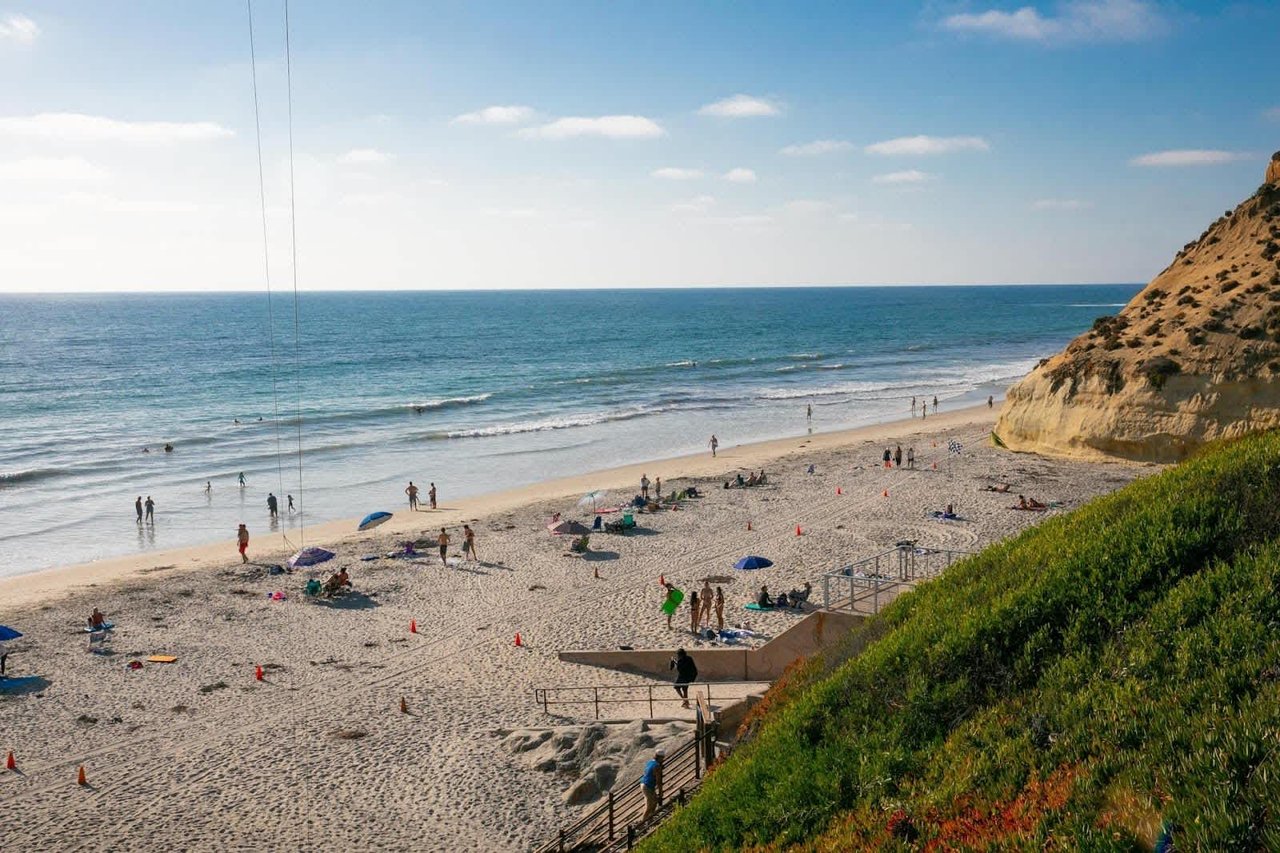
Public transit options are limited; you’ll rely on a car for most commutes, though ride-share and shuttle service to major employment hubs are common. Recreational options include community sports fields, swim leagues, and nearby beaches—Del Mar and Torrey Pines are generally 10–20 minutes away by car.
Thinking about buying a home in Carmel Valley?
Allow our team of luxury real estate specialists to help you navigate every step of the buying or selling process. With deep local expertise and firsthand knowledge of the Carmel Valley market, we provide the insight and strategy you need to make confident real estate decisions.
Connect with The Comiskey Group at Compass for trusted representation, whether you’re searching for your next Carmel Valley property or ready to list your current home.