6,969 people live in Mission Hills, where the median age is 48 and the average individual income is $99,167. Data provided by the U.S. Census Bureau.
Total Population
Median Age
Population Density Population Density This is the number of people per square mile in a neighborhood.
Average individual Income
Historic charm meets upscale serenity
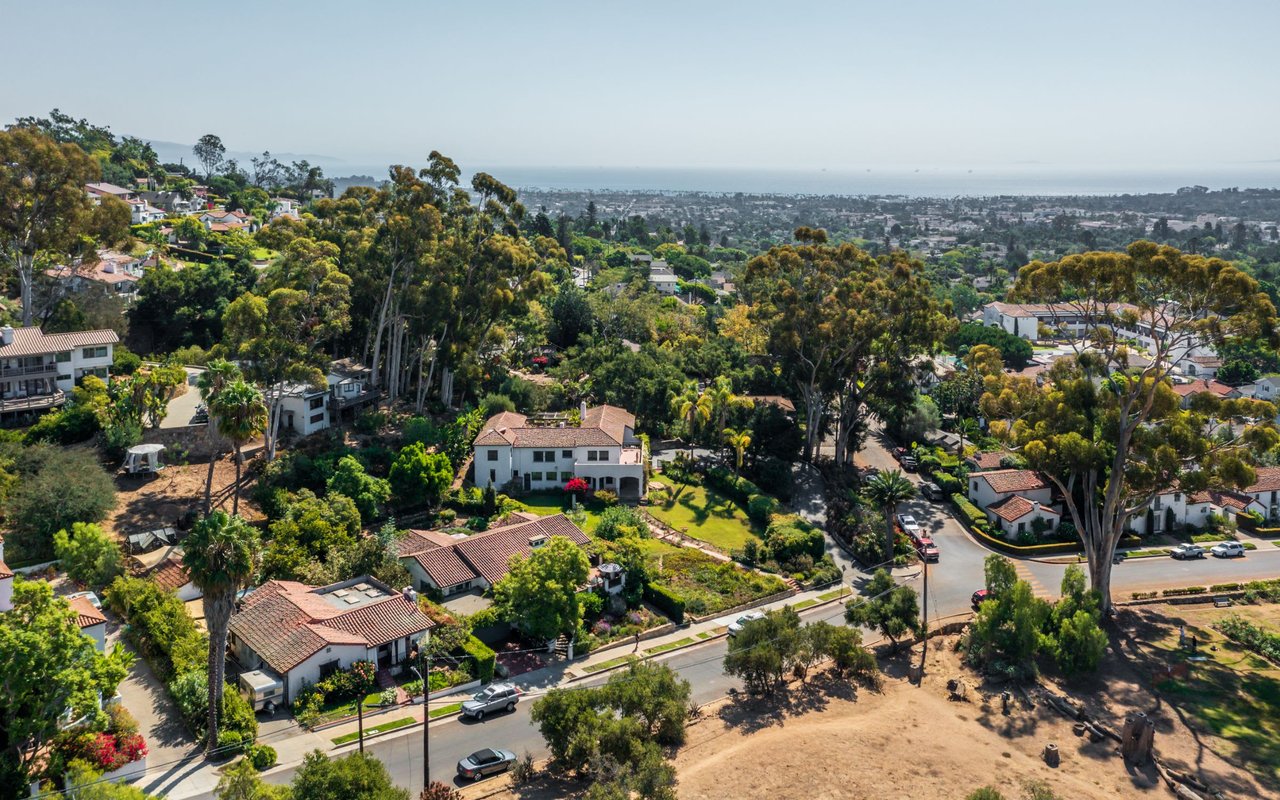
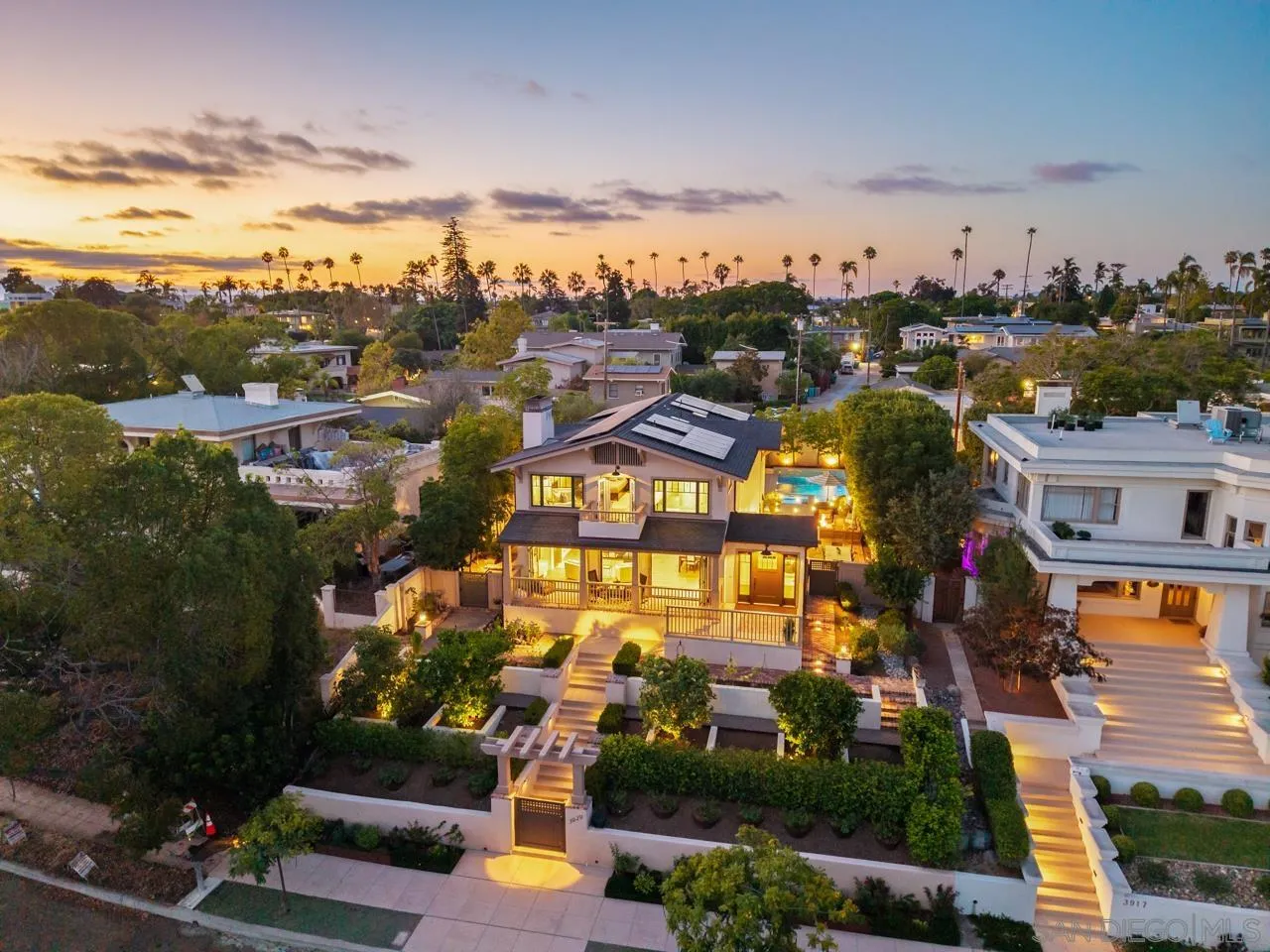
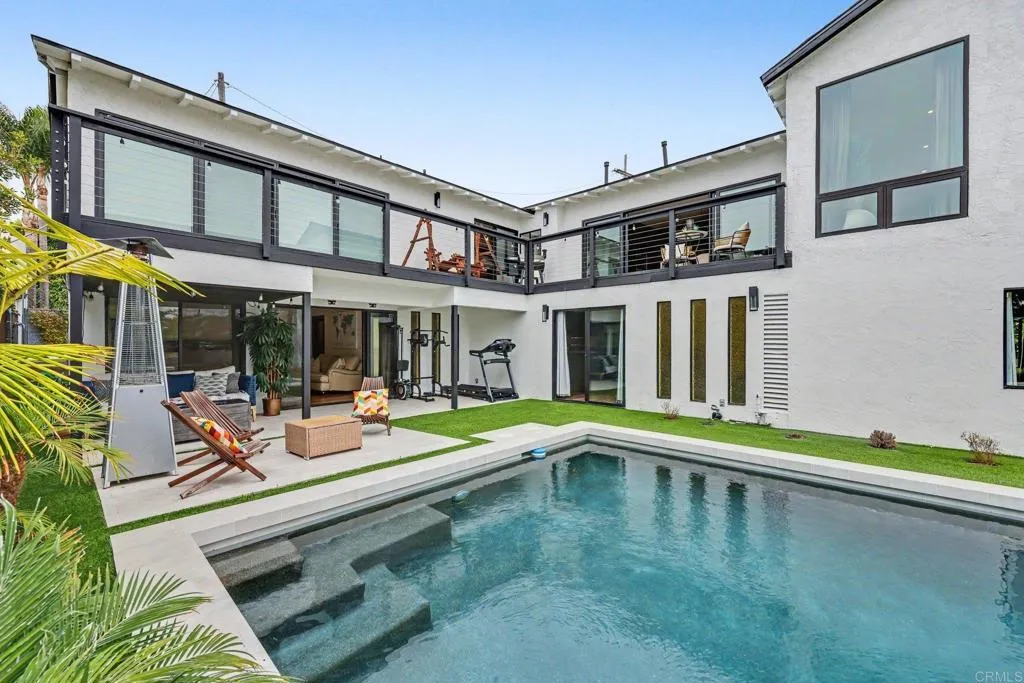
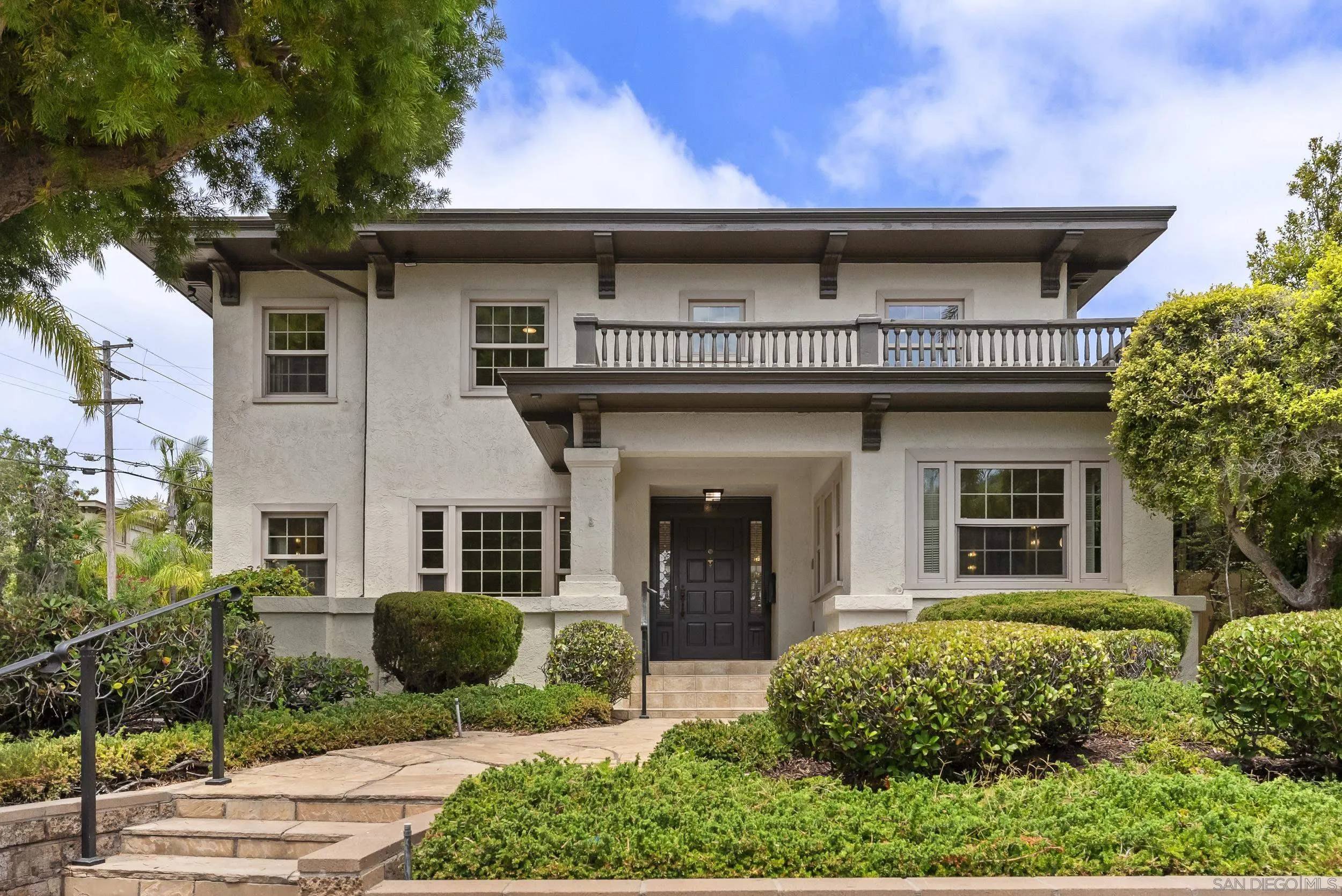
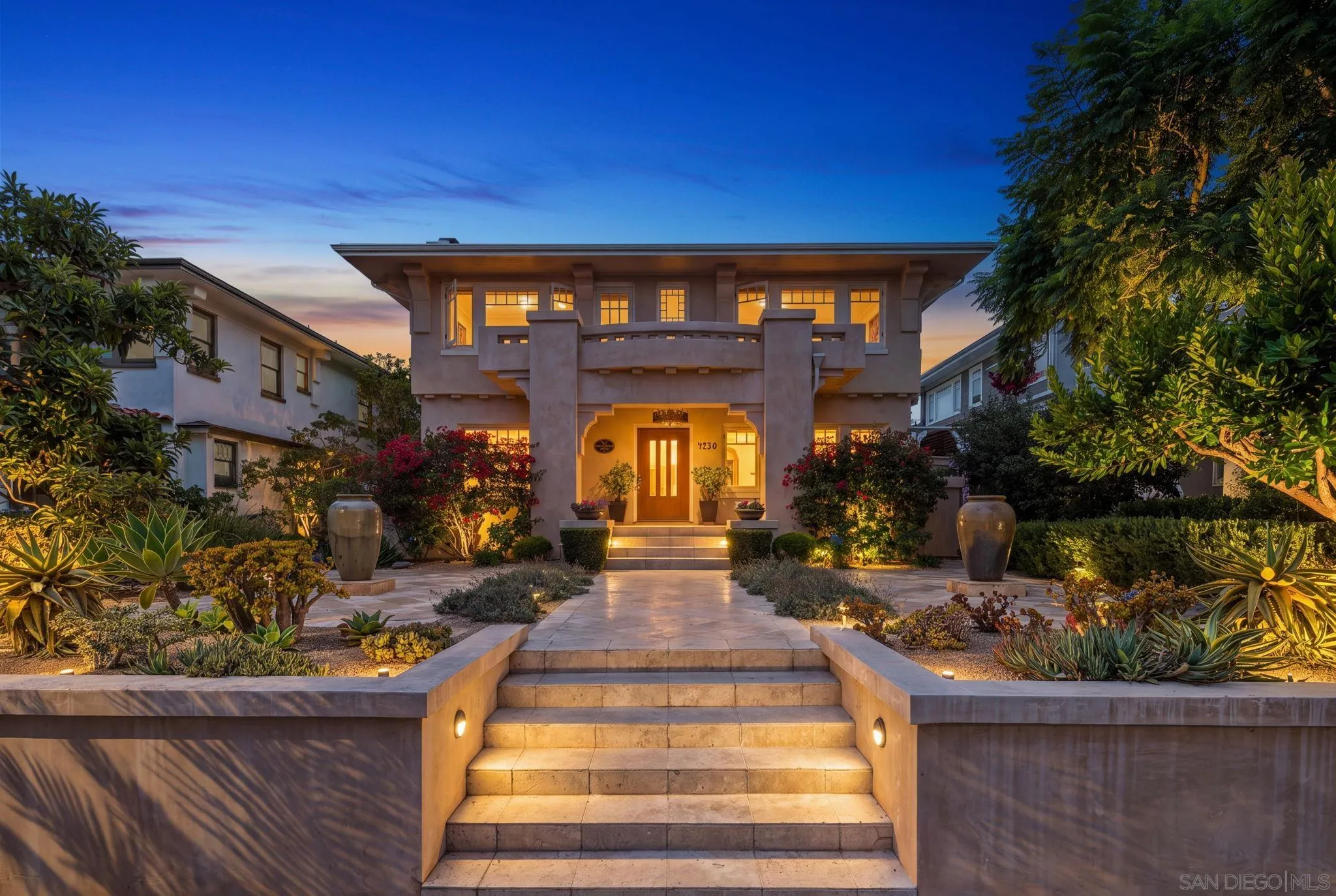
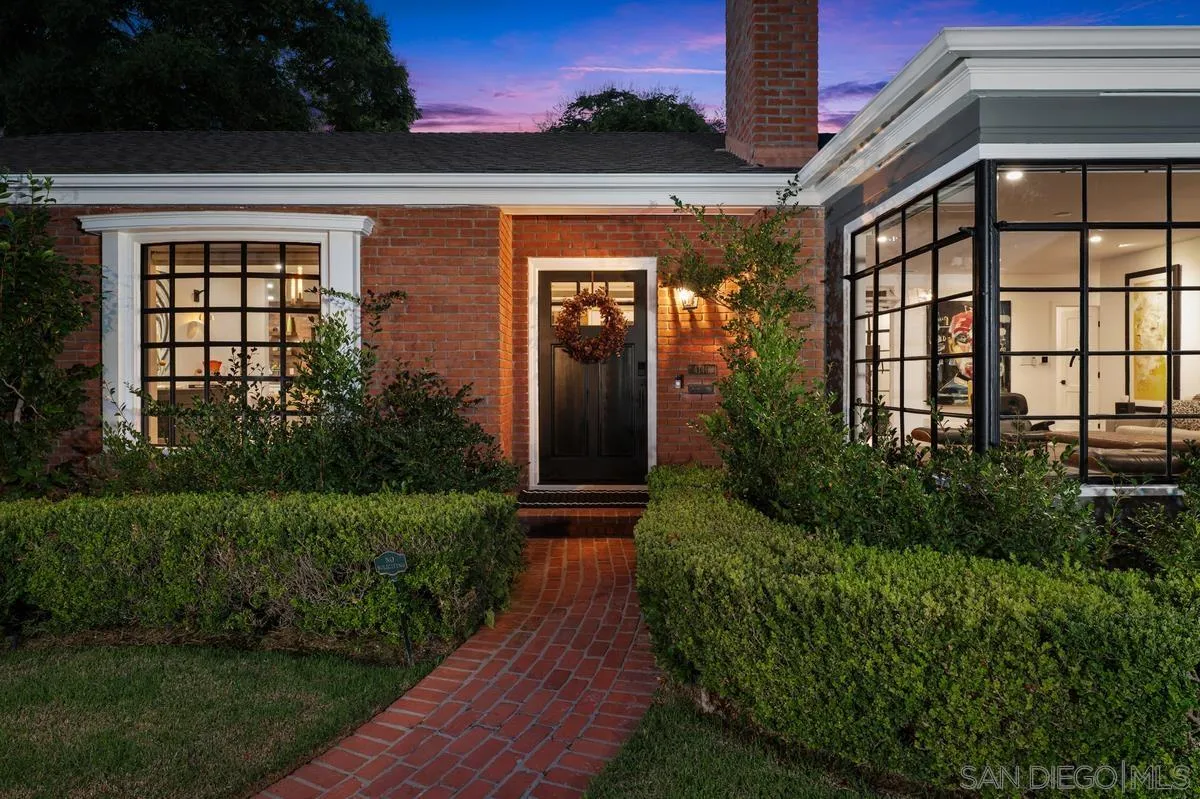
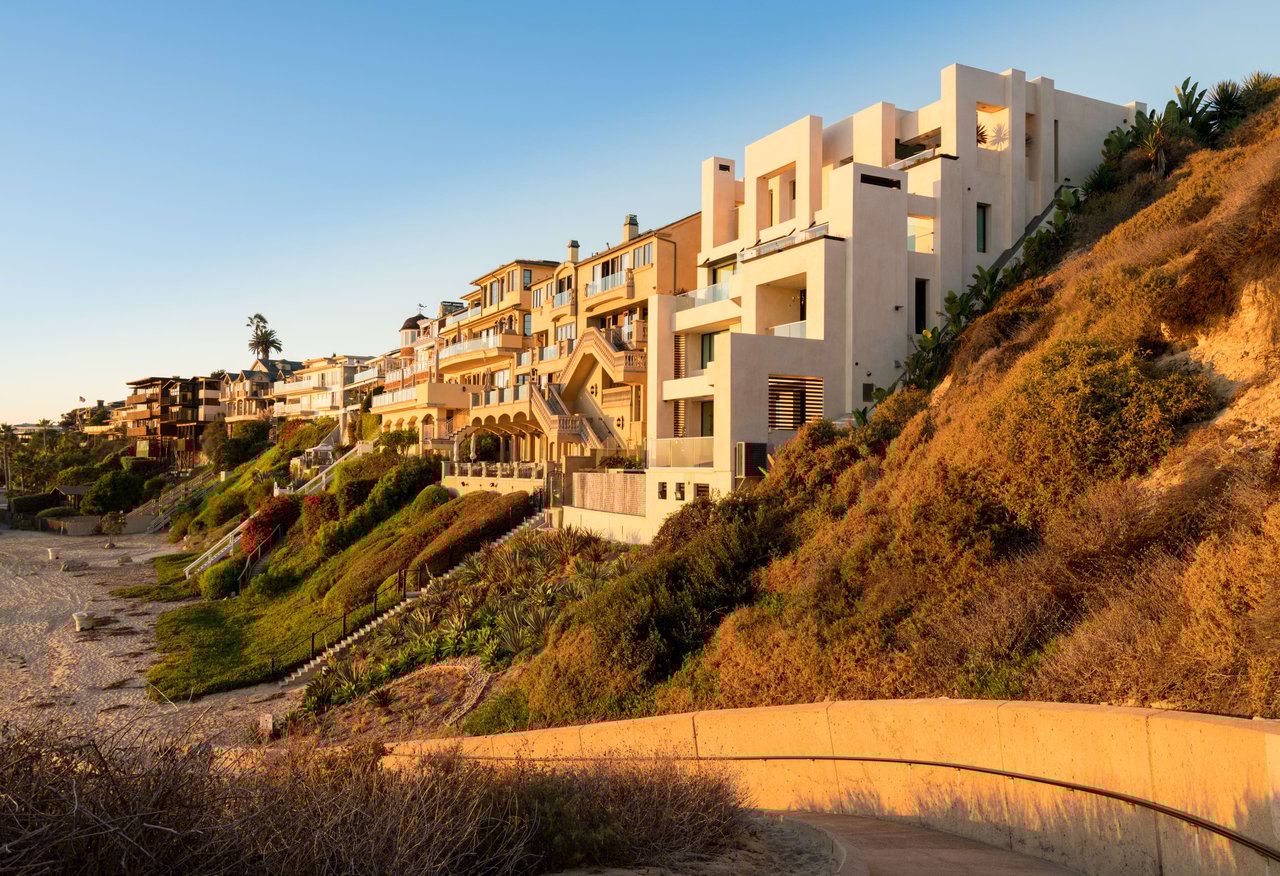
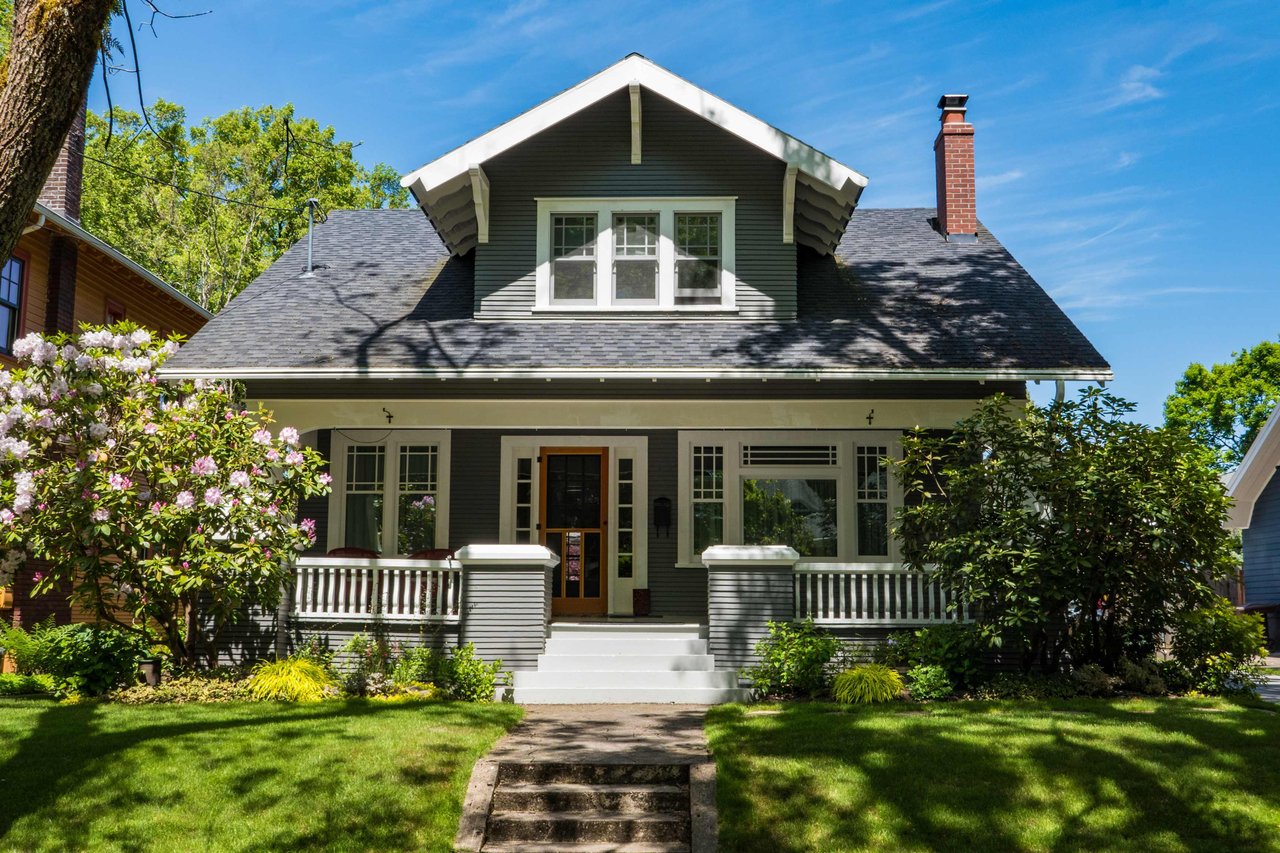
Mission Hills is San Diego's most architecturally rich neighborhood — a mesa-top enclave of jacaranda-lined streets, wild canyon edges, and century-old homes that have been meticulously preserved rather than torn down and rebuilt. It's the kind of place where a Craftsman bungalow sits next to a Spanish Colonial Revival, a sleek Mid-Century Modern cantilevers over a canyon, and nobody thinks twice about it. That architectural diversity isn't random — it's the result of a neighborhood that developed organically over several decades, each era leaving its own distinct imprint.
The vibe is quietly sophisticated. Mission Hills doesn't have the neon energy of the Gaslamp or the beach-town looseness of Ocean Beach. What it has is an deeply-rooted sense of identity. Residents here see themselves as stewards of something worth protecting — not just their property values, but the actual history embedded in the walls and gardens of a neighborhood that's been shaping San Diego since the 1880s. That mindset produces high civic engagement, strong neighborhood associations, and a commercial strip that leans toward intimate wine bars and wood-fired kitchens rather than chain restaurants.
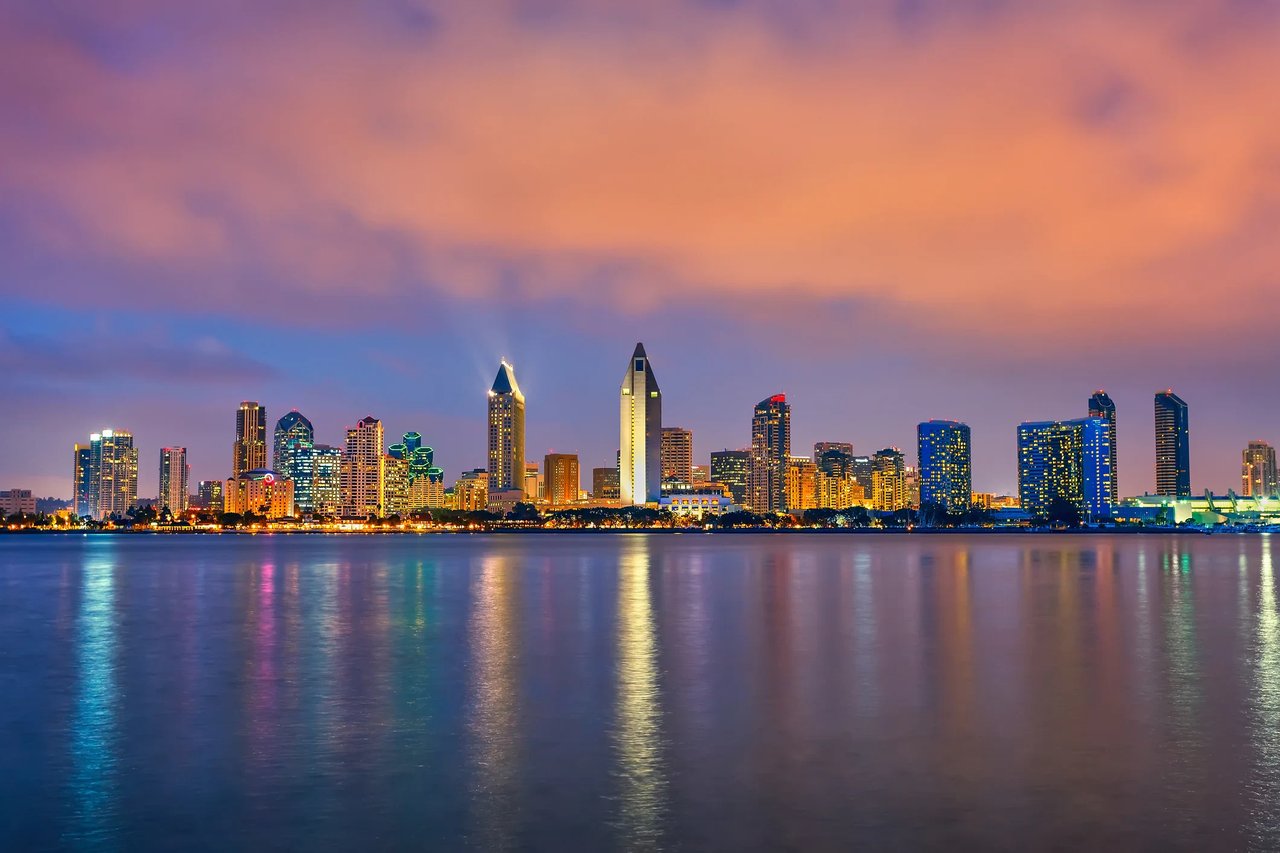
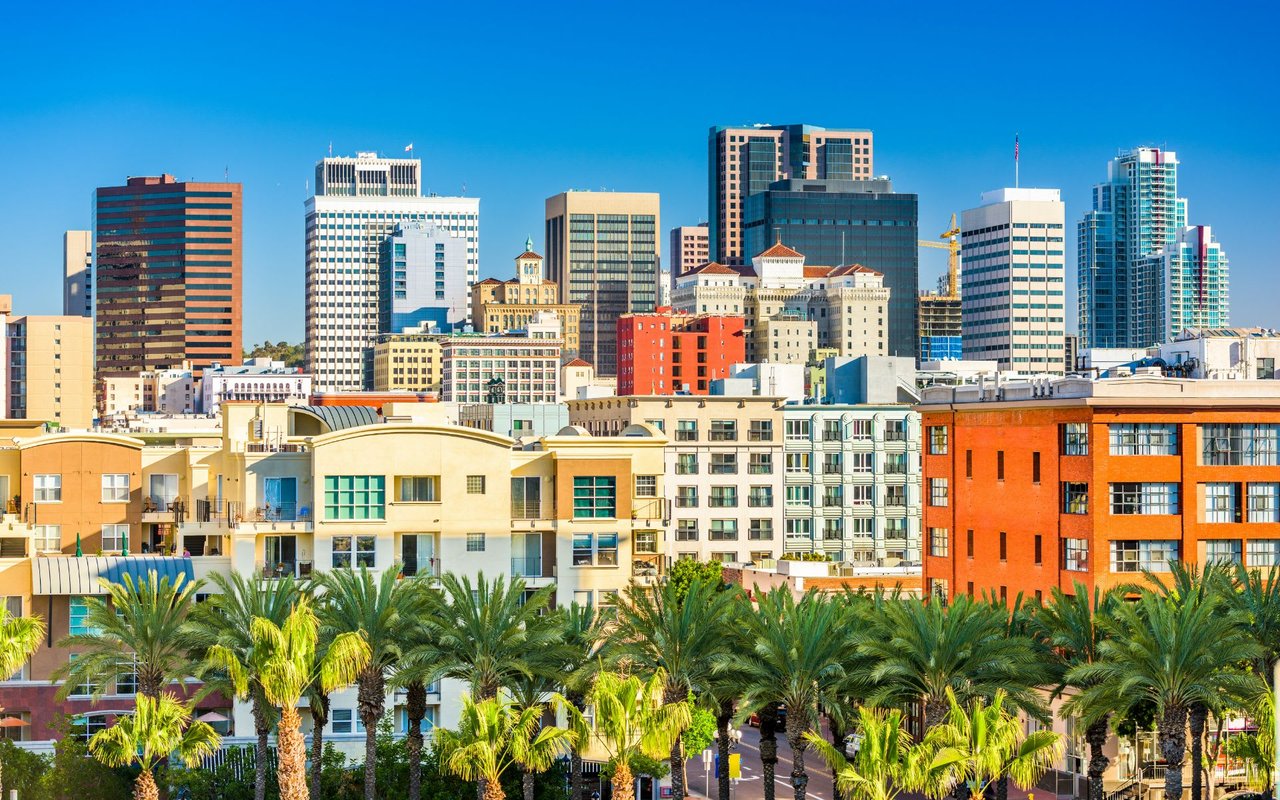
It's also one of the most strategically located neighborhoods in the county. Downtown is ten minutes south. The airport is eight minutes southwest. Balboa Park is five minutes east. For a neighborhood that feels like a tucked-away village, its accessibility is genuinely remarkable.
The story begins with Captain Henry James Johnston, who commanded the steamship Orizaba and, in the mid-1800s, was so struck by the chaparral-covered hills overlooking San Diego Harbor that he eventually purchased 65 acres. In 1887, his daughter built the neighborhood's first home — Villa Orizaba — on a promontory she called Inspiration Point. That spirit of dramatic siting would define Mission Hills for generations.
The neighborhood's formal development began in 1908 when civic leader George Marston commissioned urban planner John Nolen to design a subdivision that worked with the land's natural topography rather than against it. No rigid grid — instead, curving streets that followed the mesa's contours and respected the canyon edges. It was progressive urban planning for its era, and it's the reason Mission Hills still feels more like a garden suburb than a San Diego street grid.
Two figures accelerated growth in 1910. John D. Spreckels extended his electric streetcar line (the Fort Stockton Line 3) into the area, instantly transforming the hills into a desirable "streetcar suburb" for businessmen who wanted scenic living without sacrificing downtown access. That same year, famed horticulturalist Kate Sessions — already celebrated as the "Mother of Balboa Park" — relocated her nursery to Mission Hills. Her influence is still visible on every block: the jacarandas, palms, and eucalyptus that canopy the streets are a living extension of her legacy.
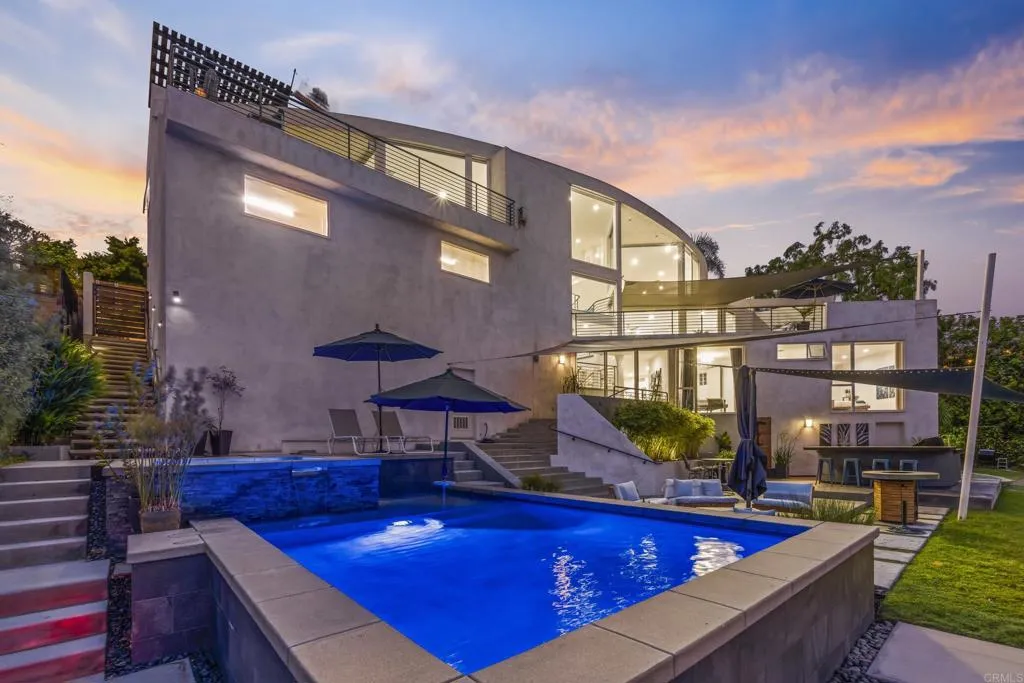
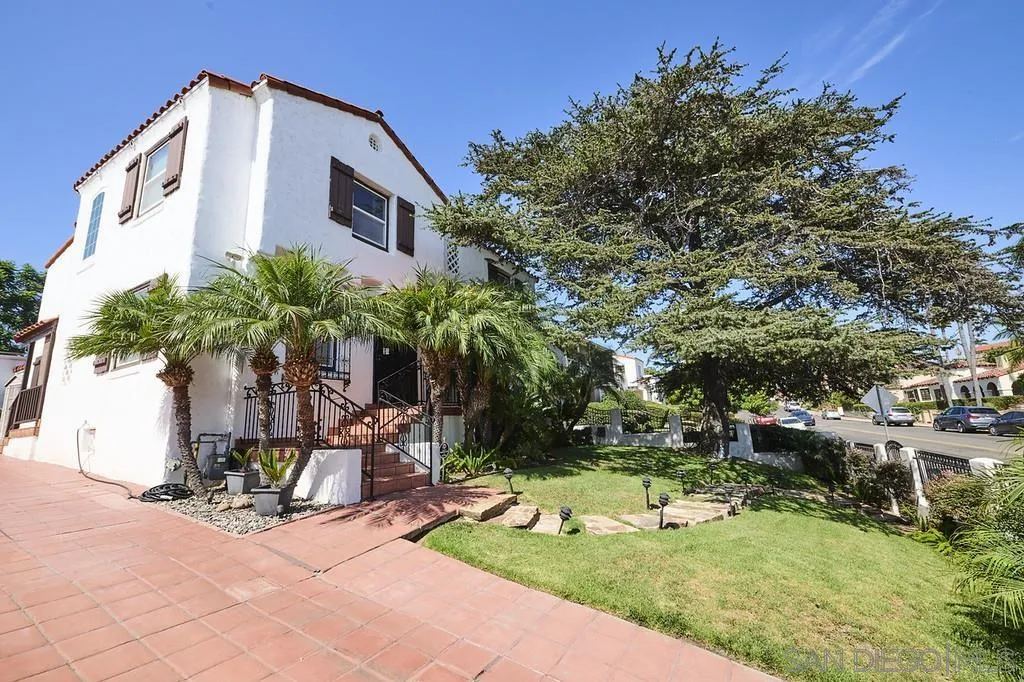
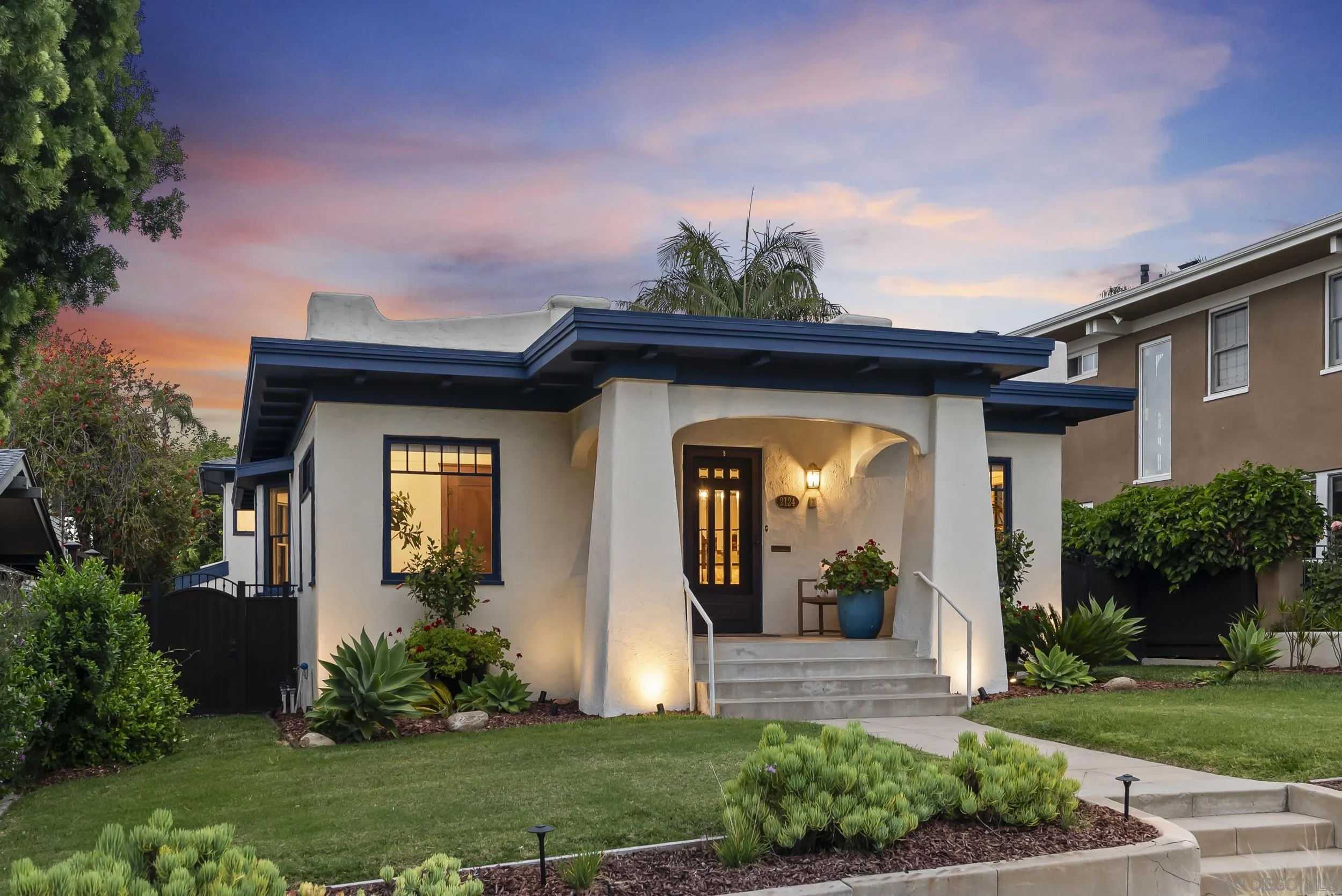
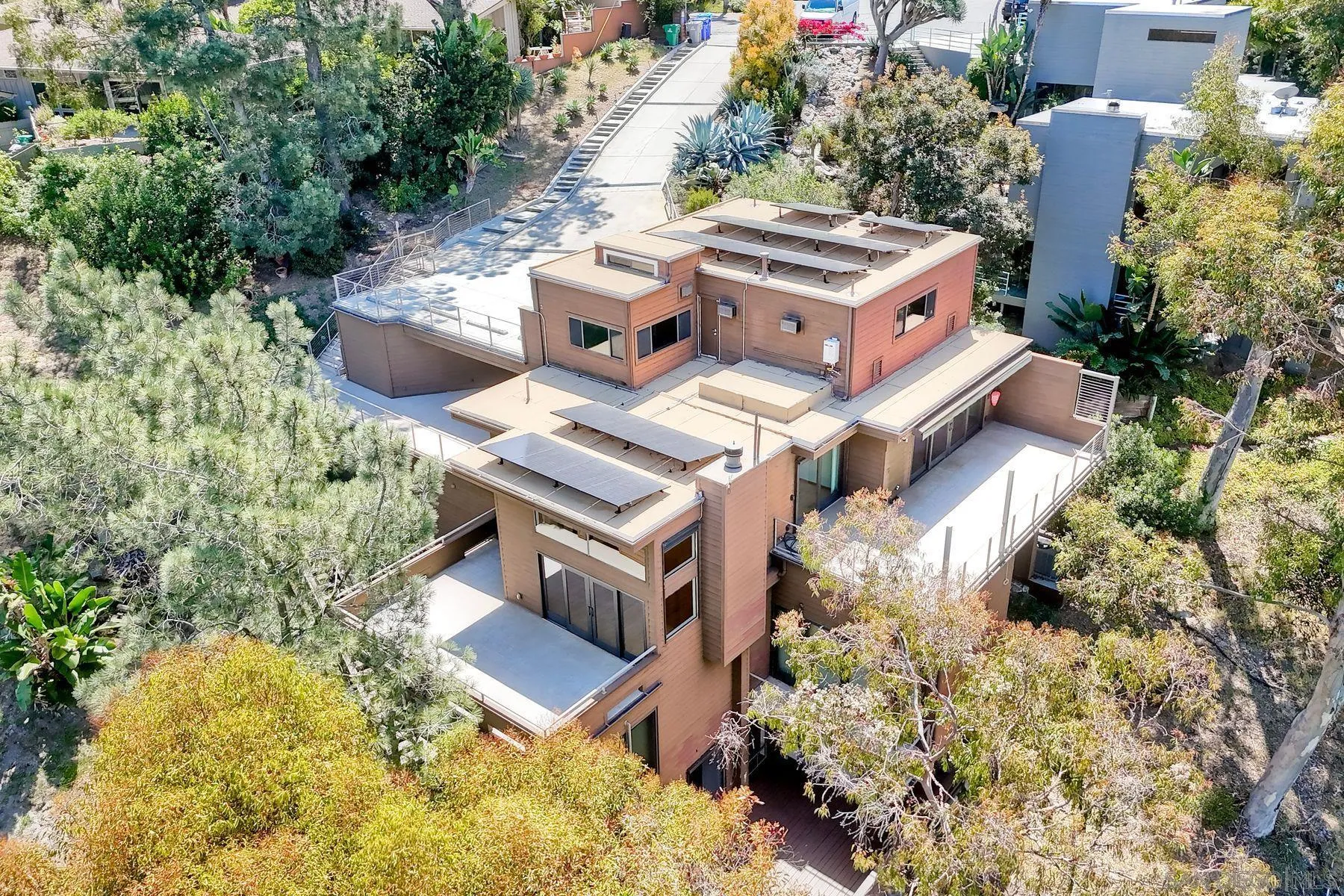
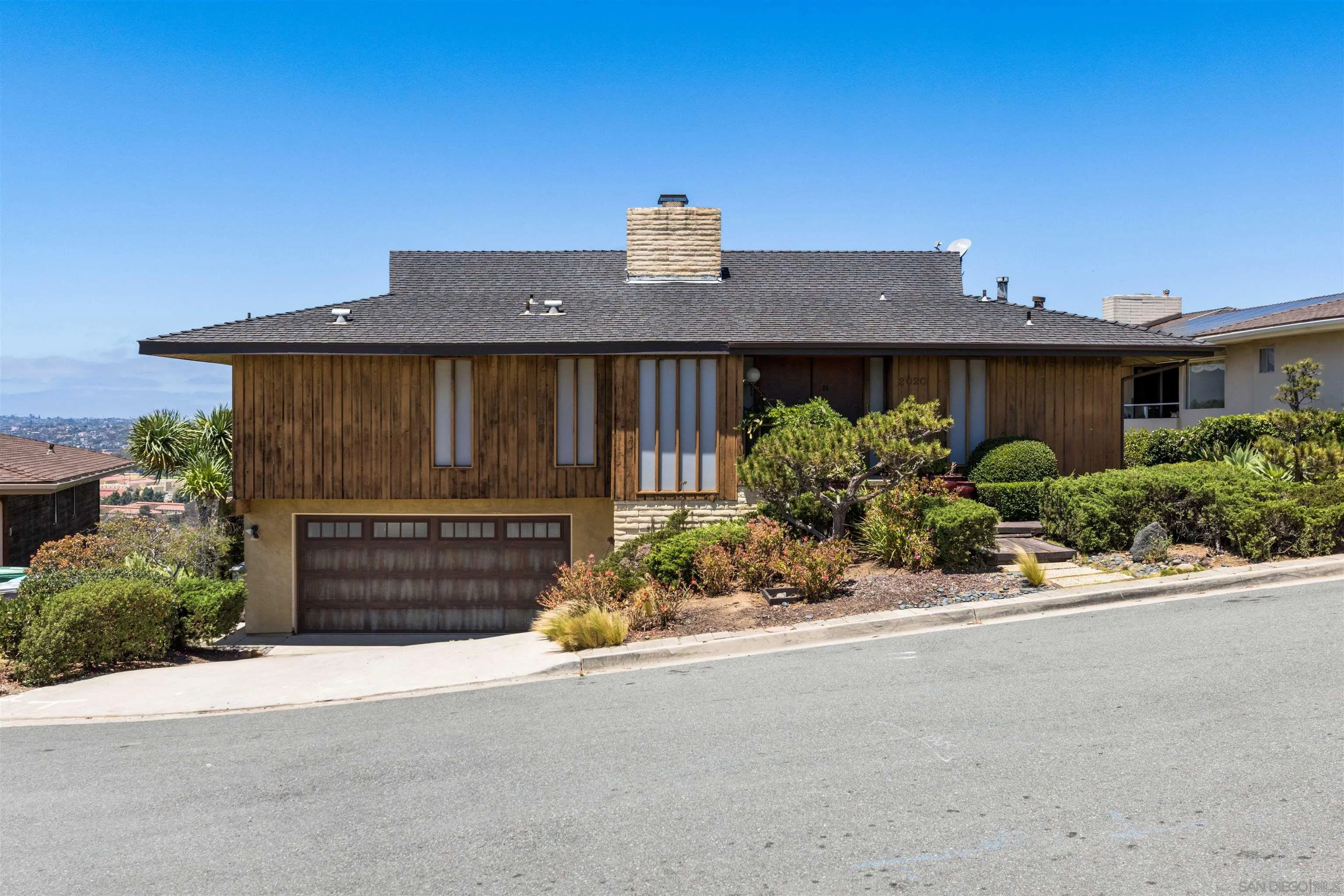
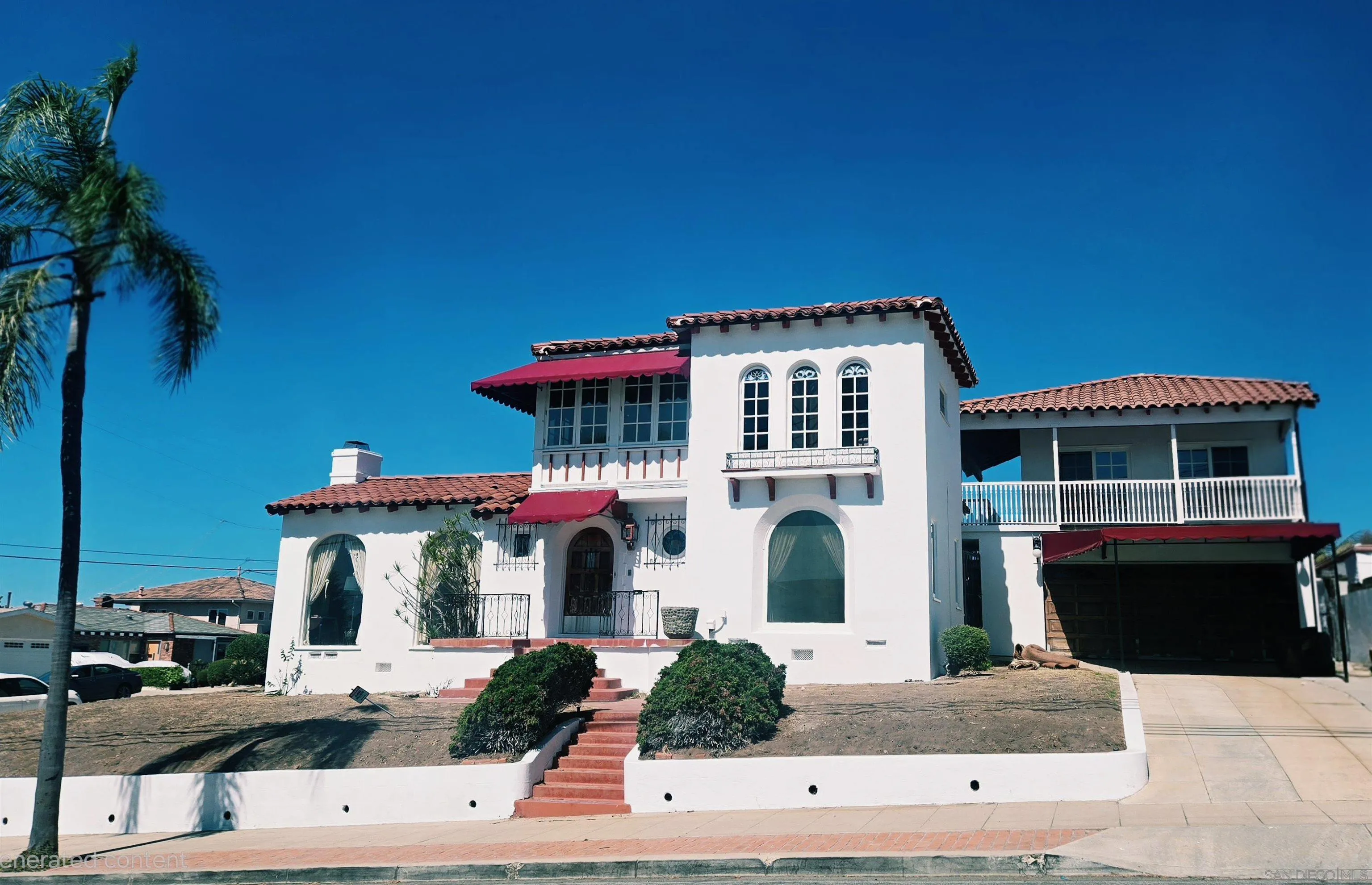
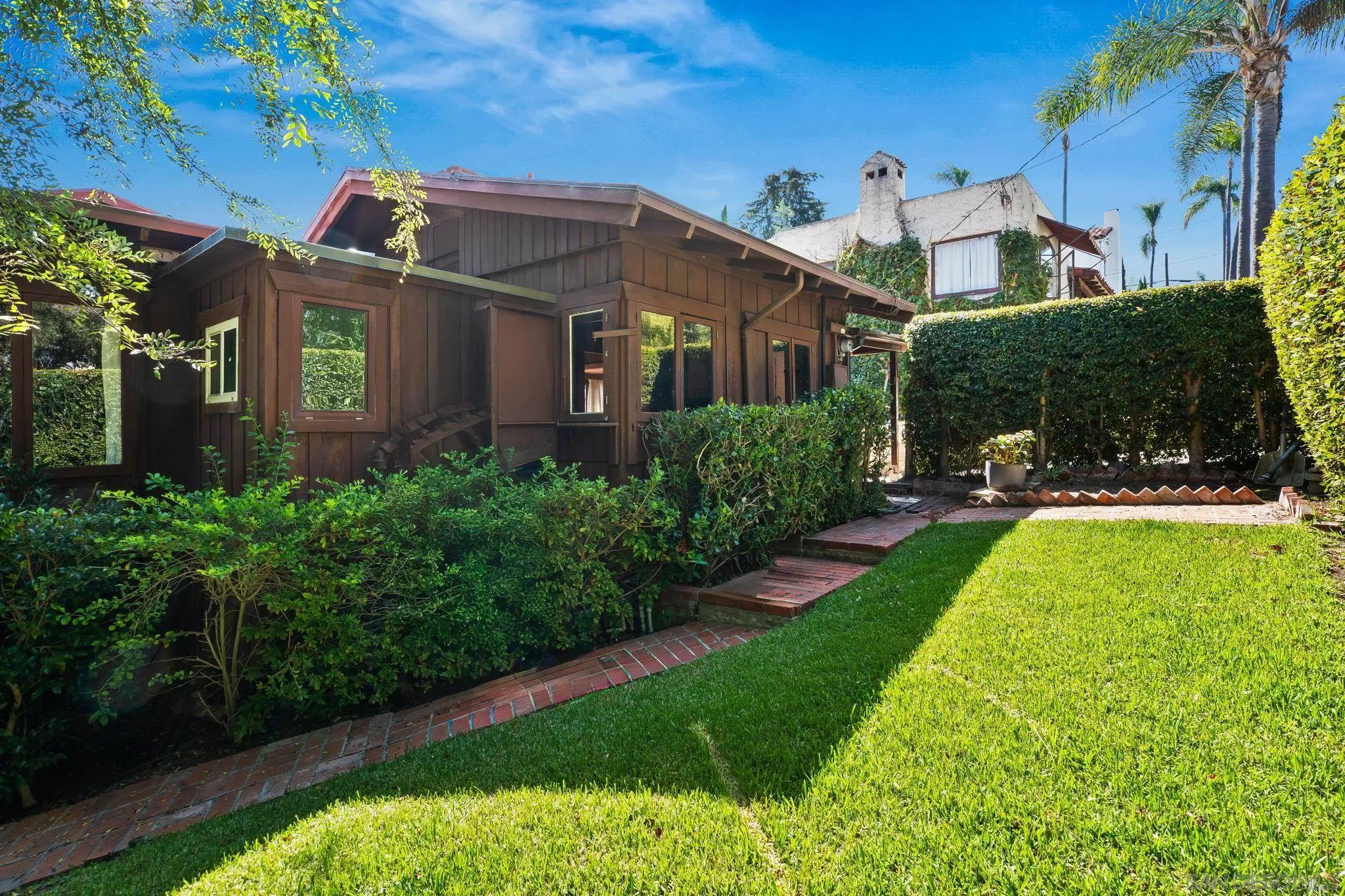
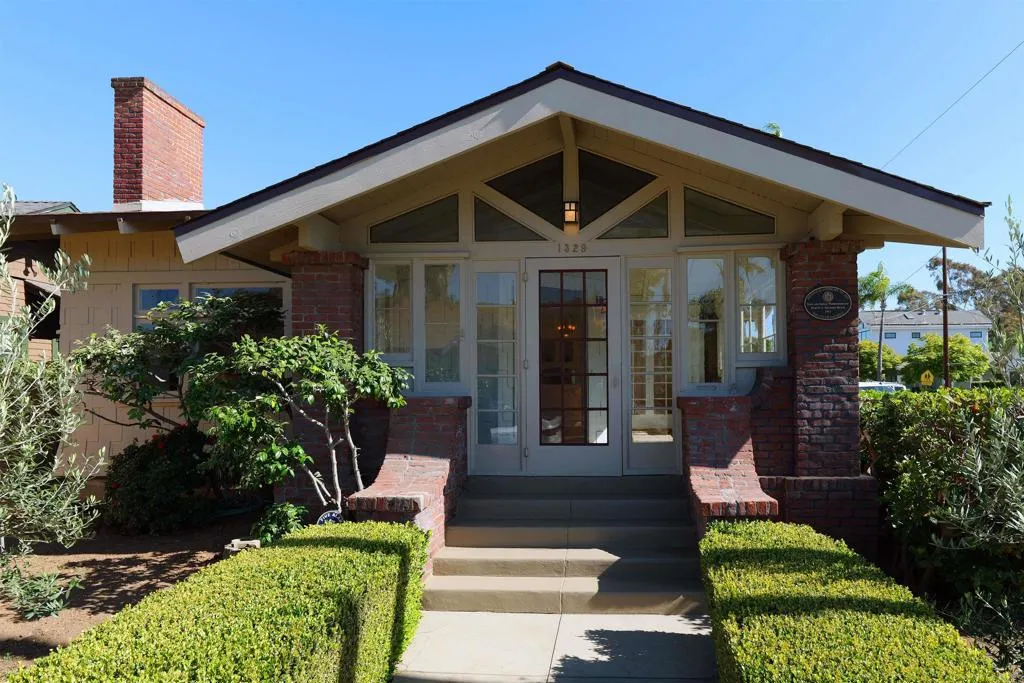
Architecturally, the neighborhood built in distinct waves. The early years (1900–1920) produced sturdy Craftsman bungalows and American Foursquare homes. The 1920s and 1930s brought the Spanish Colonial Revival and Tudor Revival estates that now define the neighborhood's character. By the 1950s and 1960s, architects like Lloyd Ruocco were inserting sleek Mid-Century Modern homes along the canyon rims — floor-to-ceiling glass framing views of the Pacific.
Mission Hills sits on a mesa within San Diego's Uptown community planning area, bounded by Mission Valley to the north, Hillcrest (at Washington Street) to the south, Dove Street and Hillcrest to the east, and Old Town San Diego and the I-5 corridor to the west. That positioning gives it something rare in San Diego: a genuine sense of geographic definition. You know when you're in Mission Hills because the terrain tells you.
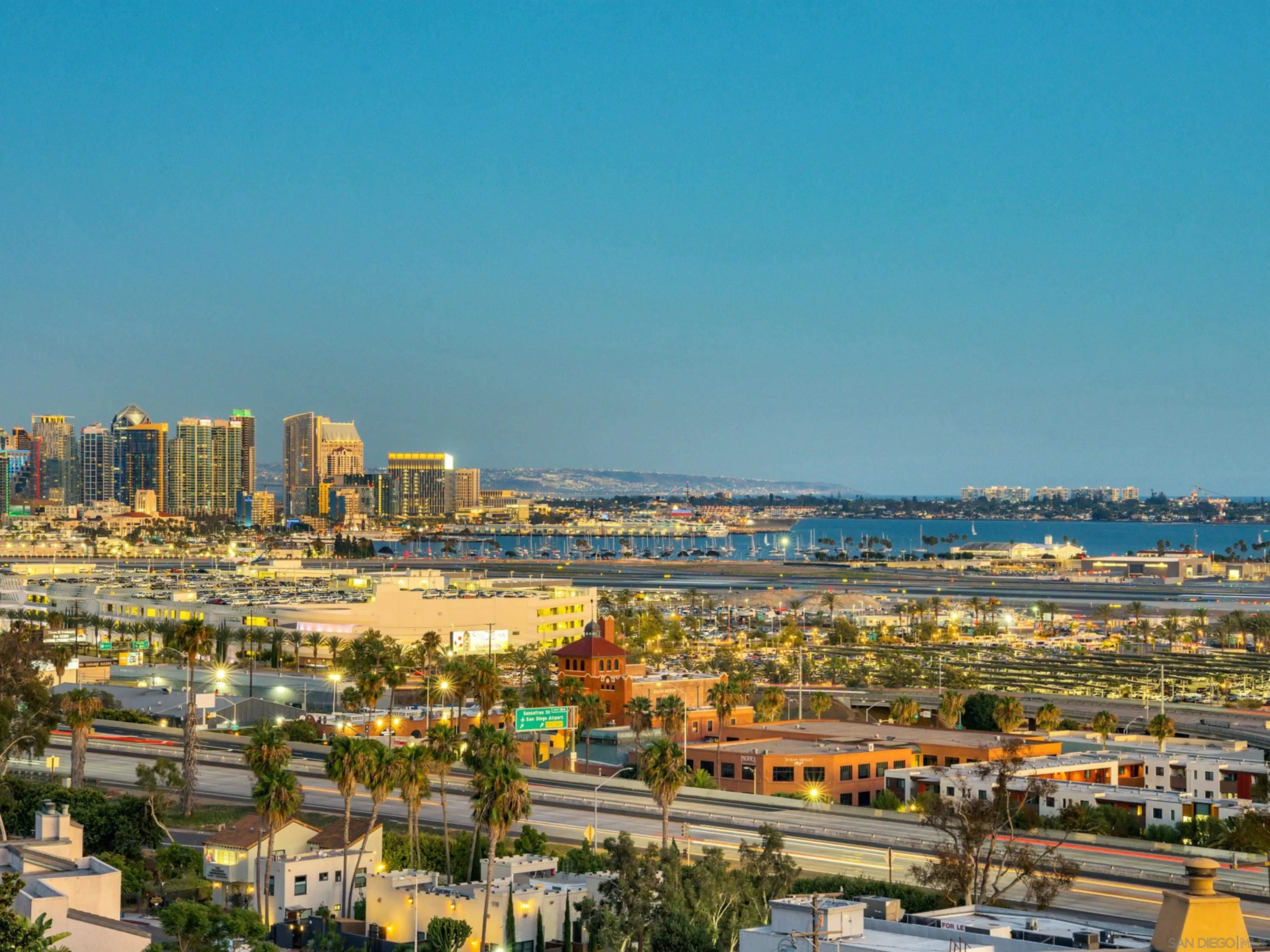
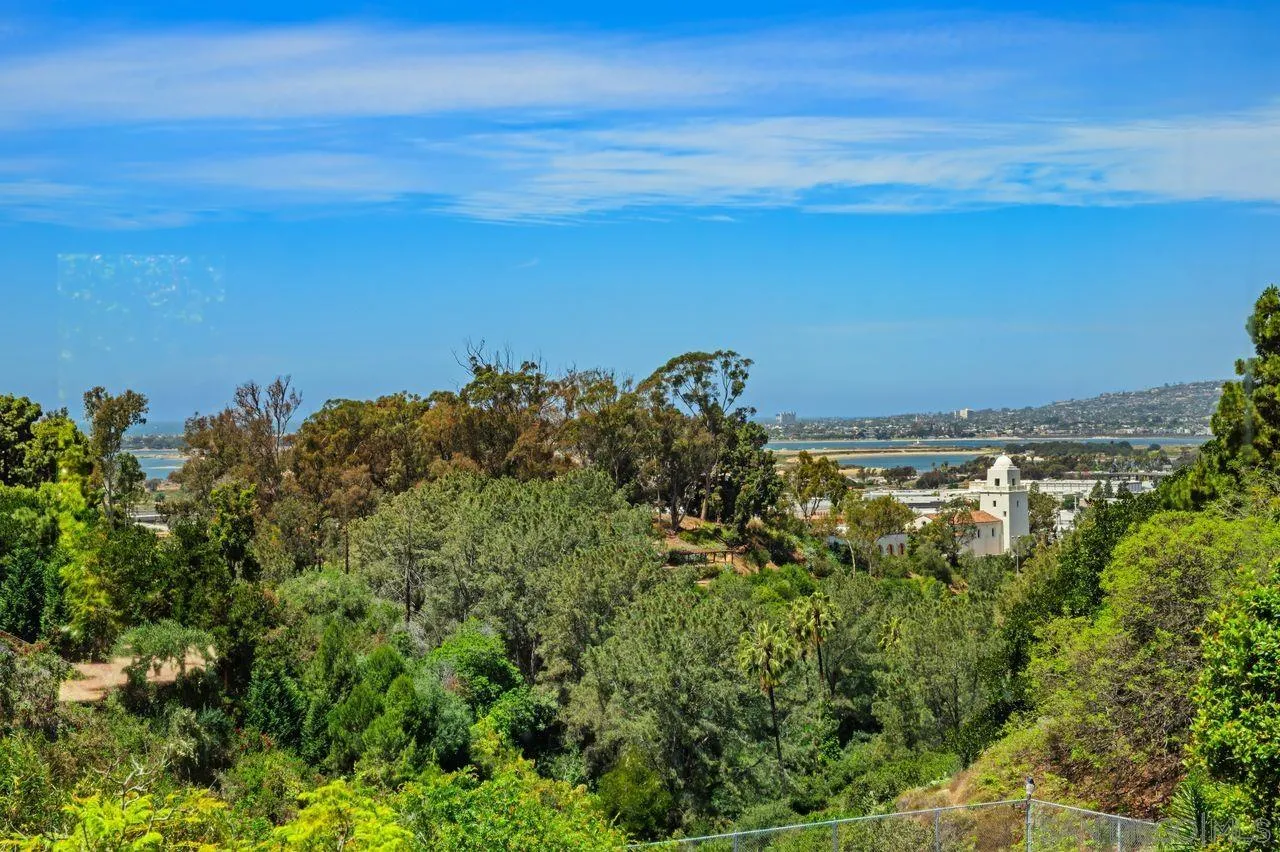
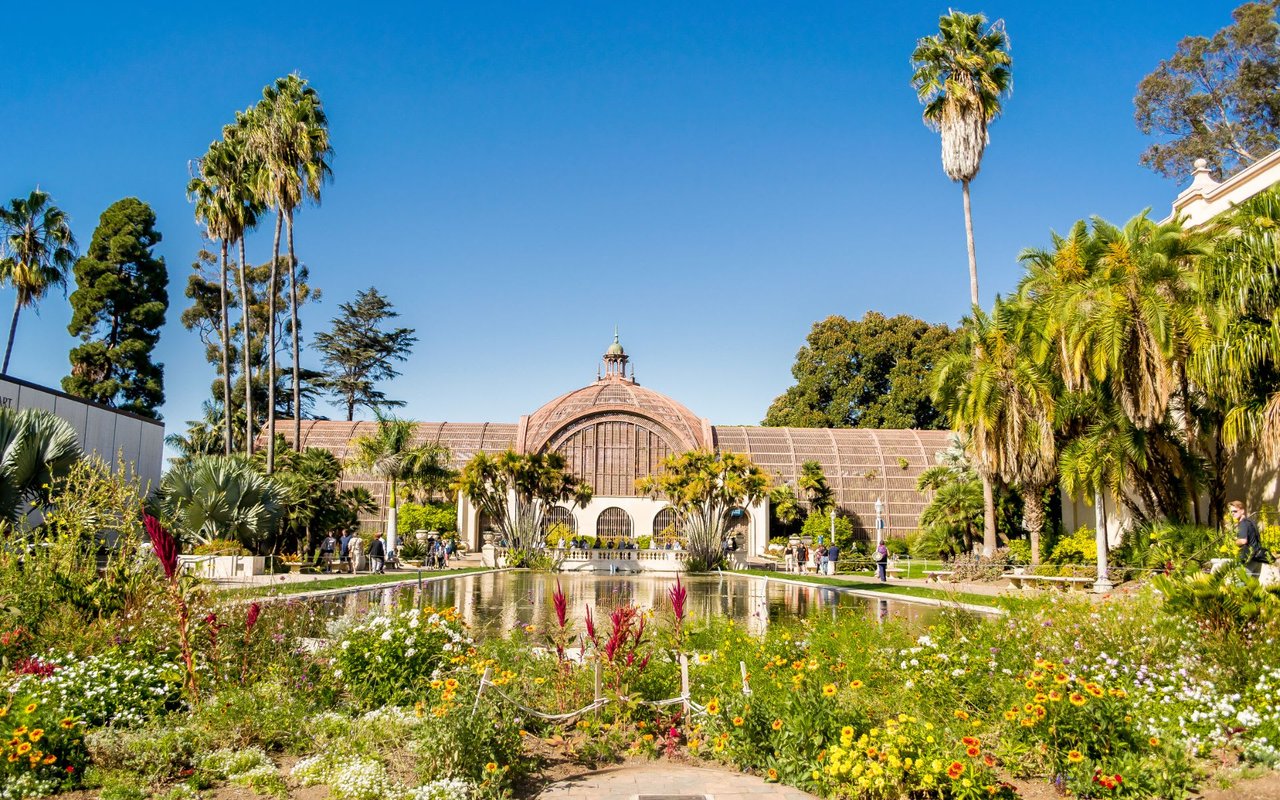
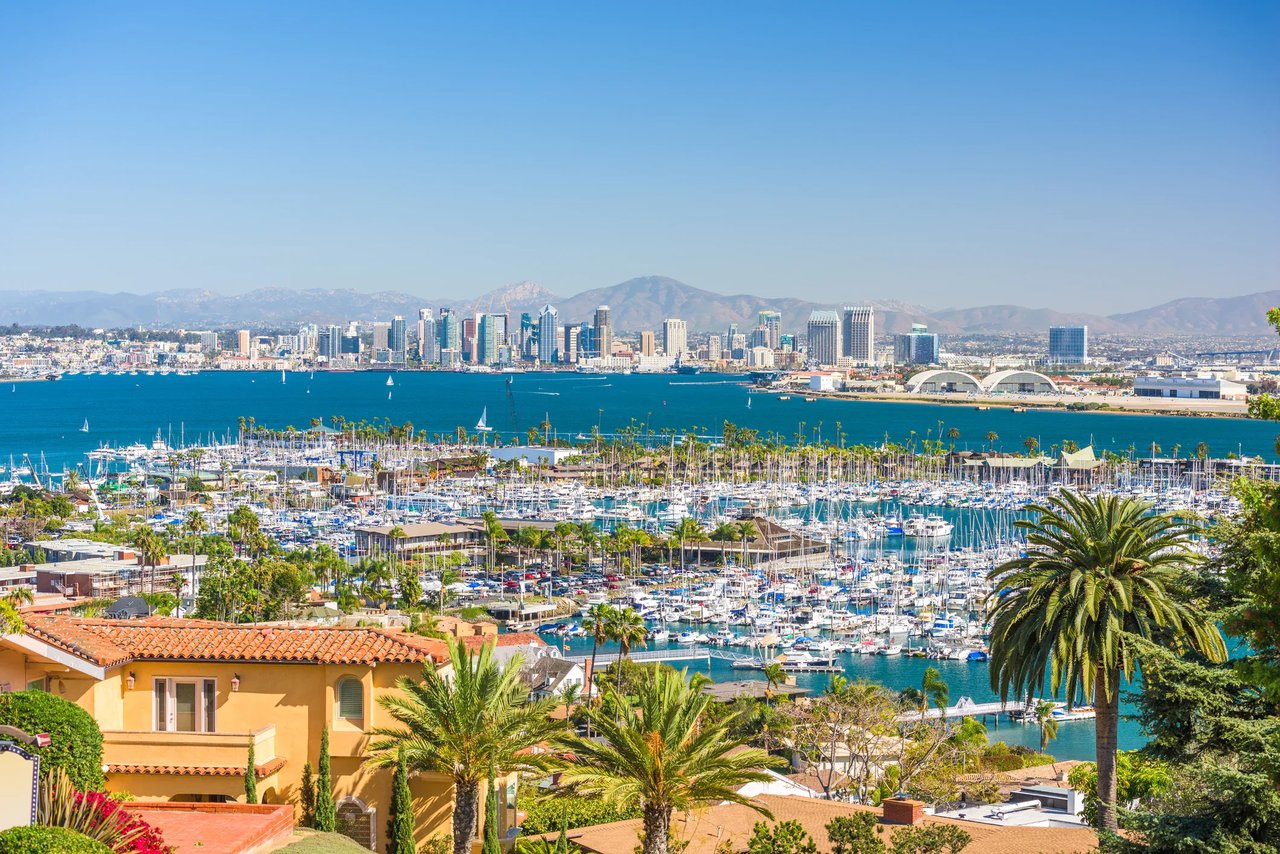
The mesa is deeply incised by steep, brush-filled canyons — natural "fingers" of open space that function as wildlife corridors and give many homes what feels like a private wilderness backdrop. From the canyon-rim streets, residents get panoramic views of Old Town, San Diego Bay, Point Loma, and on clear days, the Pacific Ocean. Pioneer Park, the neighborhood's central green space, sits on land that was originally Calvary Cemetery and still contains some historic grave markers from San Diego's earliest settlers.
Climatically, Mission Hills benefits from coastal influence more than most inland neighborhoods. Coastal breezes keep summer highs around 75°F, winter lows rarely drop below 48°F, and the marine layer's "May Gray" and "June Gloom" cycles sustain the lush, non-native vegetation that gives the streets their almost tropical density of greenery.
Mission Hills operates in its own tier. As of early 2026, the median sale price sits at approximately $1.6 million — up nearly 4% year-over-year — and the upper end of the market, particularly canyon-rim homes and bay-view estates, regularly trades between $2.5M and $6.5M. This is not a neighborhood where prices erode quietly during broader market softening. It has demonstrated consistent pricing resilience precisely because supply is structurally constrained: you cannot build more Mission Hills.
Inventory is the defining market characteristic. With roughly 1.75 months of supply and only around 30 active listings at any given time, the neighborhood sits well below the 4–6 months that constitutes a balanced market. That scarcity translates directly to behavior — well-priced homes, particularly turn-key historic residences, routinely go pending in under 14 days. The overall median time on market runs 27 to 40 days, and approximately 31% of homes still sell above list price.
Sellers are currently receiving 97–98% of asking price, which in a market that peaked at near-full-ask frenzy represents a slightly more measured pace — but "measured" is relative when you're still dealing with sub-two-months supply. For buyers, the calculation is simple: Mission Hills doesn't go on sale.
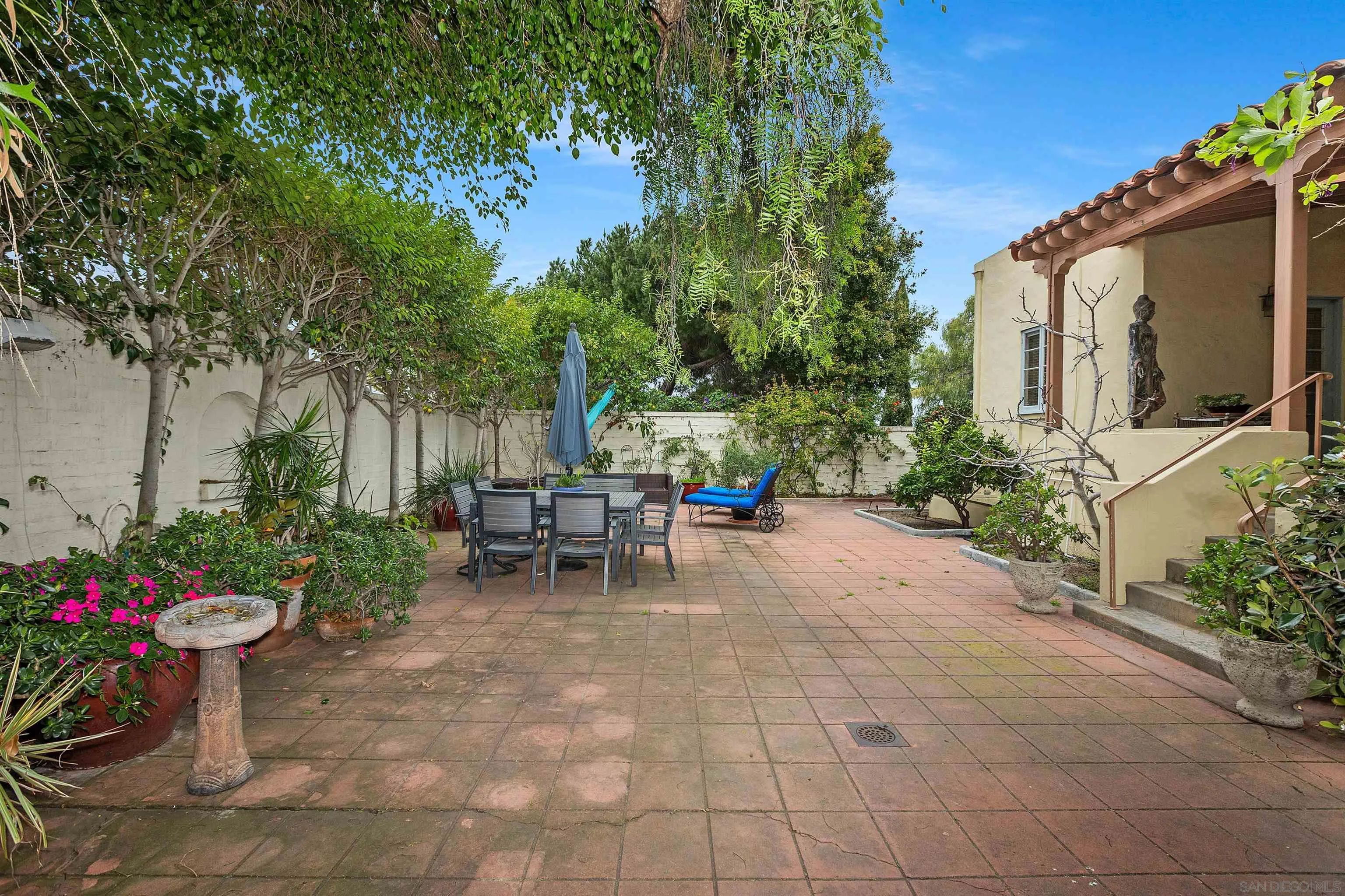
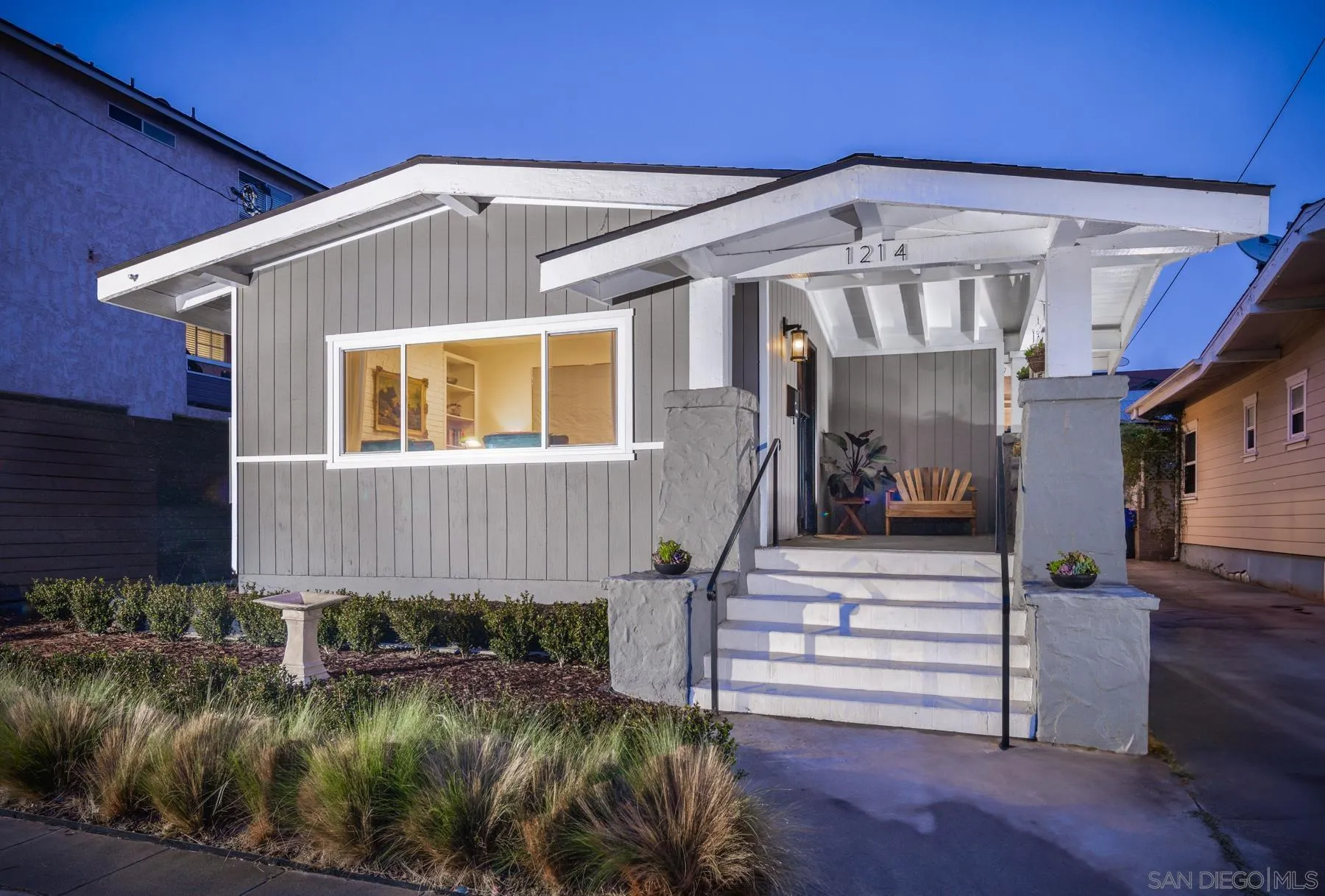
Historic Single-Family Estates are the soul of the neighborhood. Craftsman bungalows, Spanish Colonial Revivals, Prairie-style foursquares, and Tudor Revival homes — many dating from 1905 to 1935 — define the majority of Mission Hills' housing stock. The best examples feature original built-ins, hardwood floors, decorative tilework, and period fixtures. Lot sizes vary dramatically: some sit on generous, flat parcels; others back to canyon open space, offering privacy but no traditional backyard.
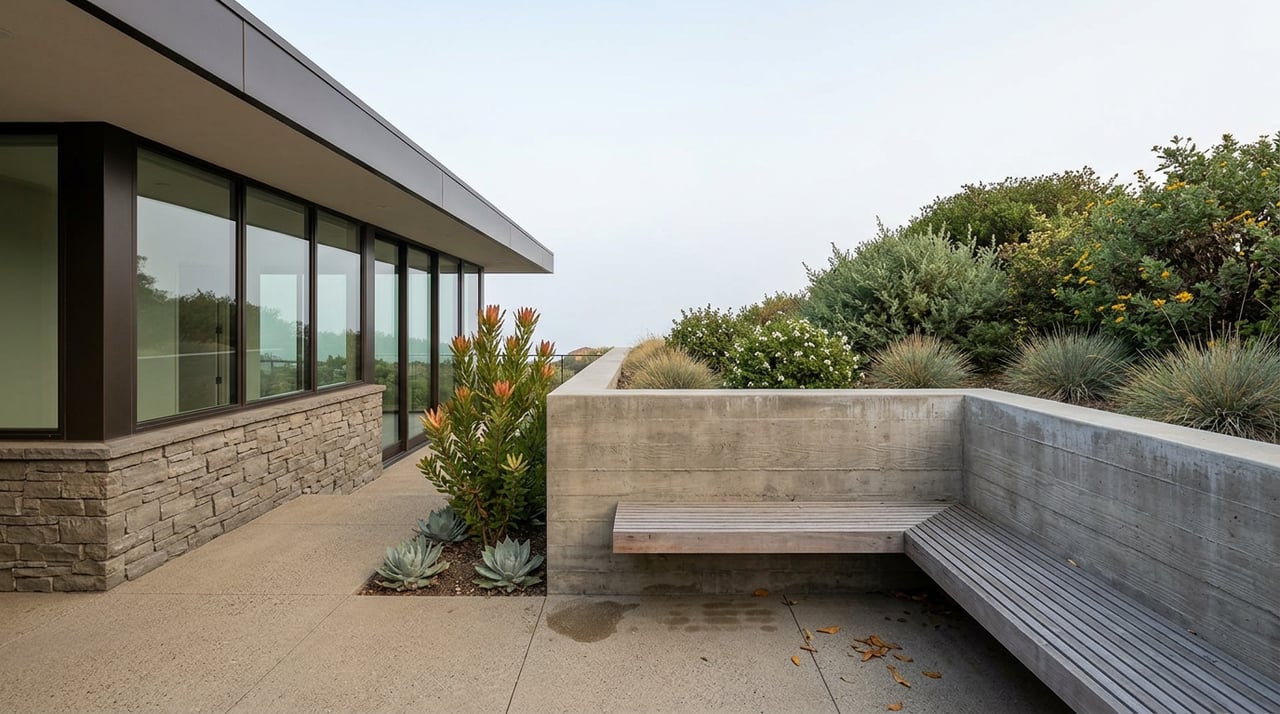
Mid-Century Modern Canyon Homes are scattered along the quieter cul-de-sacs and rim streets, designed by architects like Lloyd Ruocco to use the terrain as a feature rather than fight it. Floor-to-ceiling glass, flat rooflines, and open floor plans oriented toward canyon and ocean views characterize this subset. They attract buyers who want architectural provenance without the Victorian-era upkeep.
Luxury Condos and Townhomes appear primarily along the Washington Street corridor and the southern edge toward Middletown. These appeal to "downpours" — longtime estate owners who want to stay in the 92103 zip code without maintaining a century-old garden — and to professionals who want Mission Hills proximity at a lower entry price.
Multi-Family and ADU Properties are more common here than in comparable upscale neighborhoods, simply because of the neighborhood's age. Large 1920s homes converted to 4-unit apartments exist alongside properties with detached ADUs that generate meaningful rental income in a high-demand zip code.
Historic Designations Work Both Ways. The Mills Act is the neighborhood's best-kept financial secret: buyers who purchase a historically designated home can enter a preservation contract with the city in exchange for a 40–60% reduction in property taxes. That's a significant ongoing cost advantage. The flip side is that homes in historic districts like Fort Stockton or West Lewis carry city-enforced exterior standards — window replacements, paint colors, and structural modifications must be approved by the Historical Resources Board. This isn't an HOA; violations are enforceable by the city.
Canyon-Rim Locations Carry Real Risk. The most scenic and desirable homes — those hanging over the canyon edges — sit in areas classified as extreme wildfire risk. Homeowners insurance in these locations is increasingly difficult to obtain at reasonable rates; many residents rely on the California FAIR Plan. Before purchasing, buyers should conduct a thorough slope stability assessment on canyon lots, evaluate the condition of retaining walls, and understand drainage patterns that come into play during San Diego's occasional heavy winter rains.
The Airport Noise Variable is Block-by-Block. Mission Hills sits under the landing approach for San Diego International Airport. The noise impact is not uniform — the southern edge near Middletown gets significantly more plane traffic than the northern streets above the canyon. If noise is a concern, this is something to assess at different times of day before making an offer, not after.
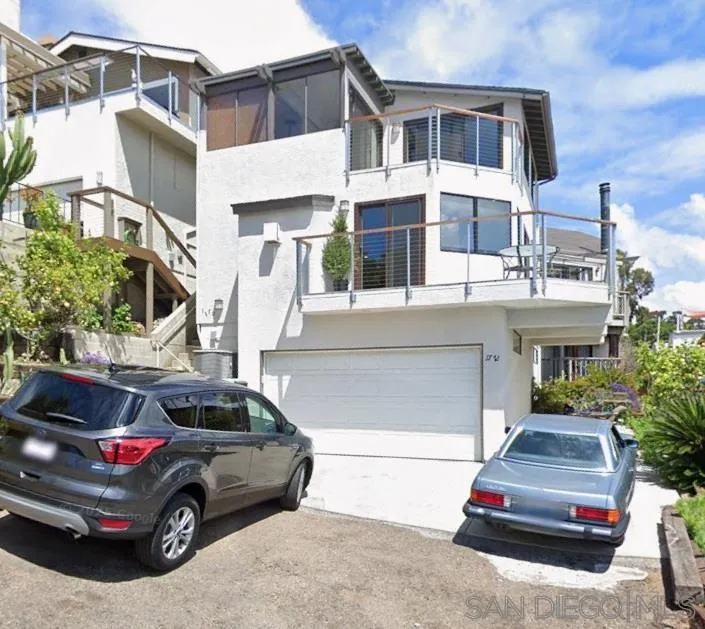
Parking Is a Real Practical Issue. Most Mission Hills homes predate the era of two-car garages. Street parking is genuinely tight throughout the neighborhood, and many driveways are Hollywood-style concrete strips that accommodate older, narrower vehicles better than modern SUVs and trucks.
Price on Character, Not Just Square Footage. The price-per-square-foot model doesn't translate cleanly in Mission Hills. A meticulously restored 1,800 sq. ft. Spanish Revival with original tile and a canyon backdrop can — and regularly does — outsell a 2,500 sq. ft. updated conventional home. Architectural provenance, condition of historic details, and the intangible "vibe" of the property are the actual value drivers here. Buyers sophisticated enough to compete in this market understand that.
The "Invisible" Upgrades Deliver the Highest ROI. Buyers in Mission Hills are acutely aware that behind-the-walls systems in older homes are where the expensive surprises hide. Upgrading galvanized plumbing and knob-and-tube wiring before listing removes the biggest objections from sophisticated buyers and their inspectors. These upgrades don't photograph well for marketing, but they dramatically reduce friction in escrow.
Adding an ADU Changes the Value Conversation. Converting a detached garage into a permitted ADU is currently the single highest-ROI improvement available in 92103. It expands the buyer pool to include multi-generational families and investors, adds a rental income narrative, and in a supply-constrained market, it differentiates the listing immediately.
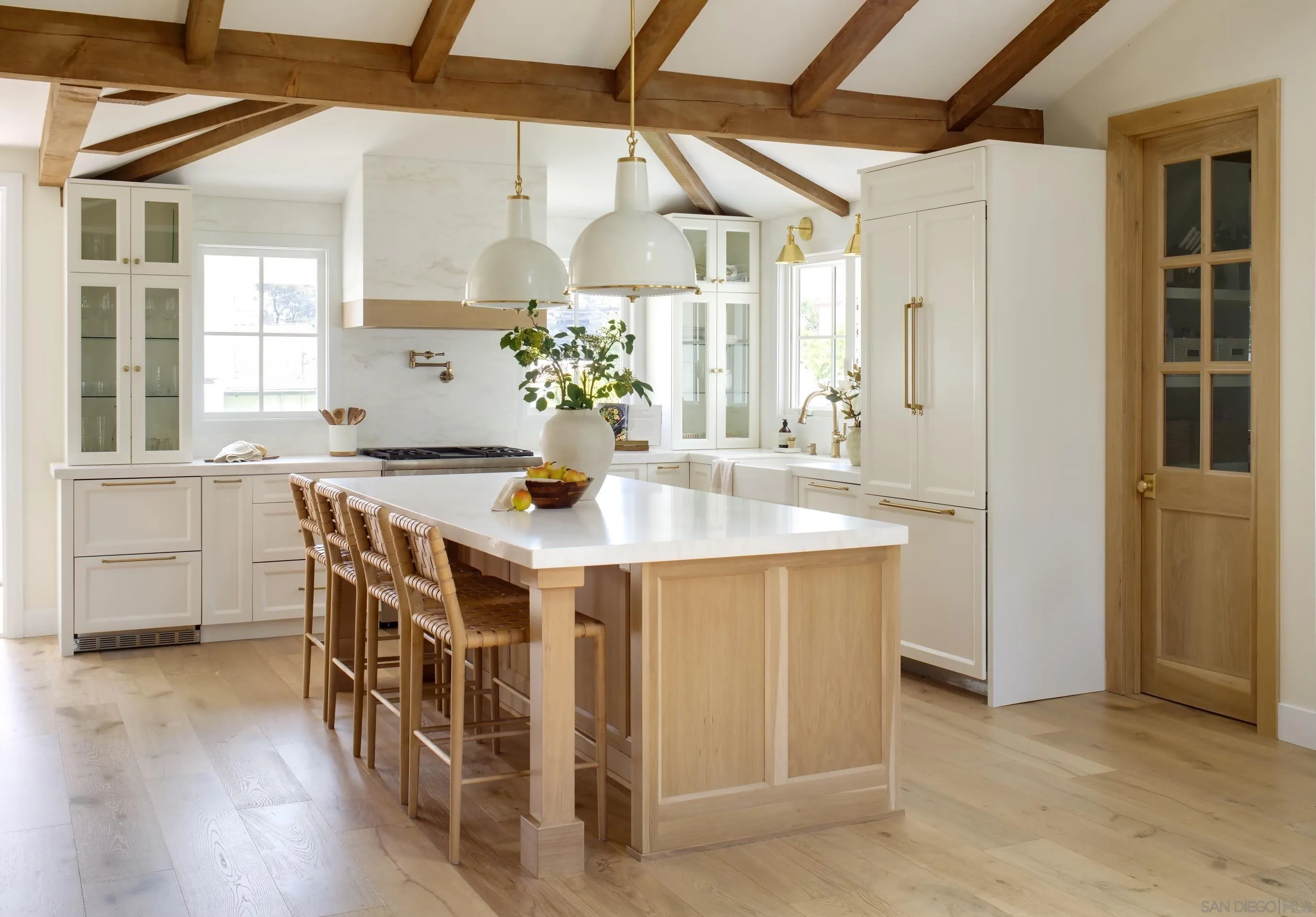
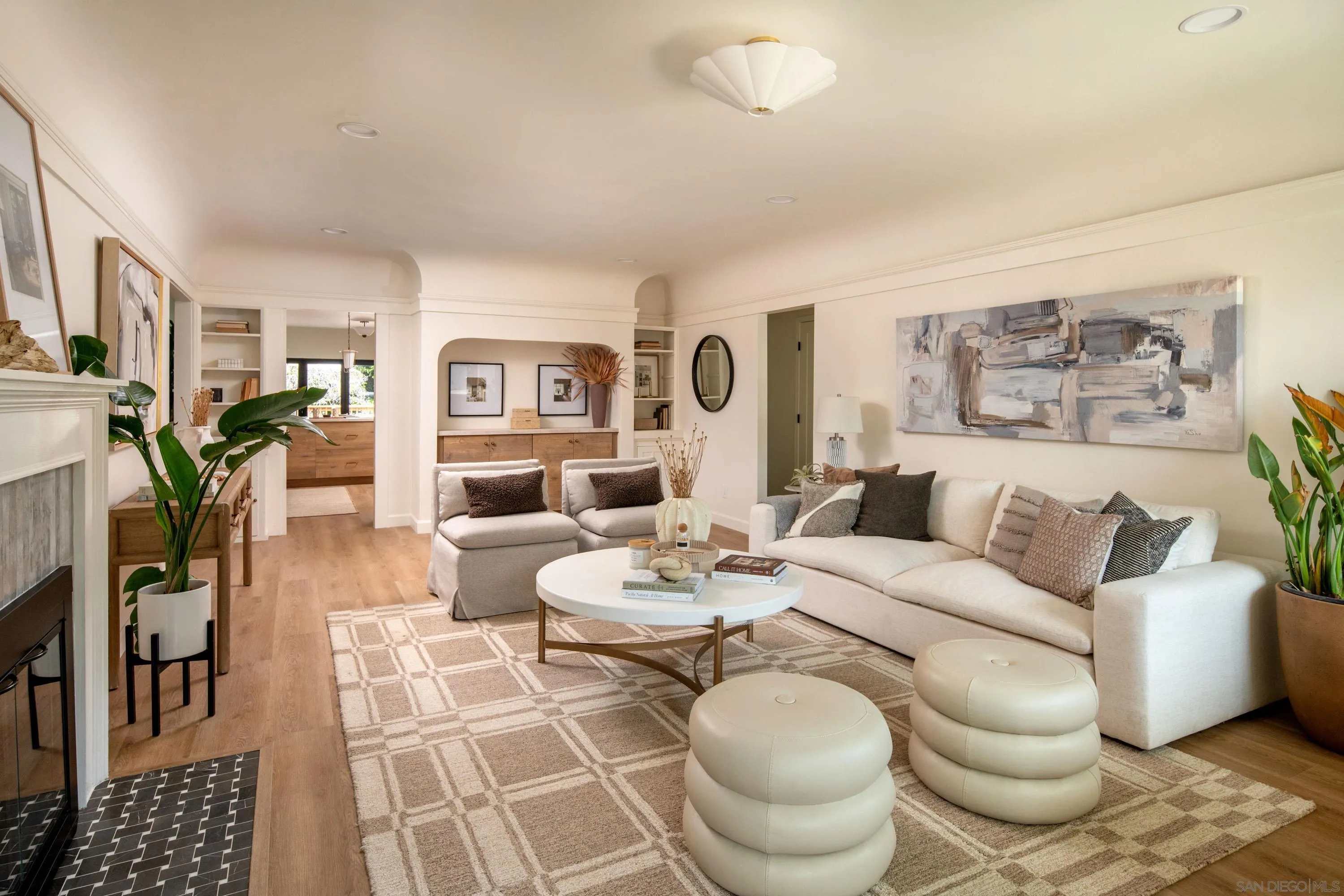
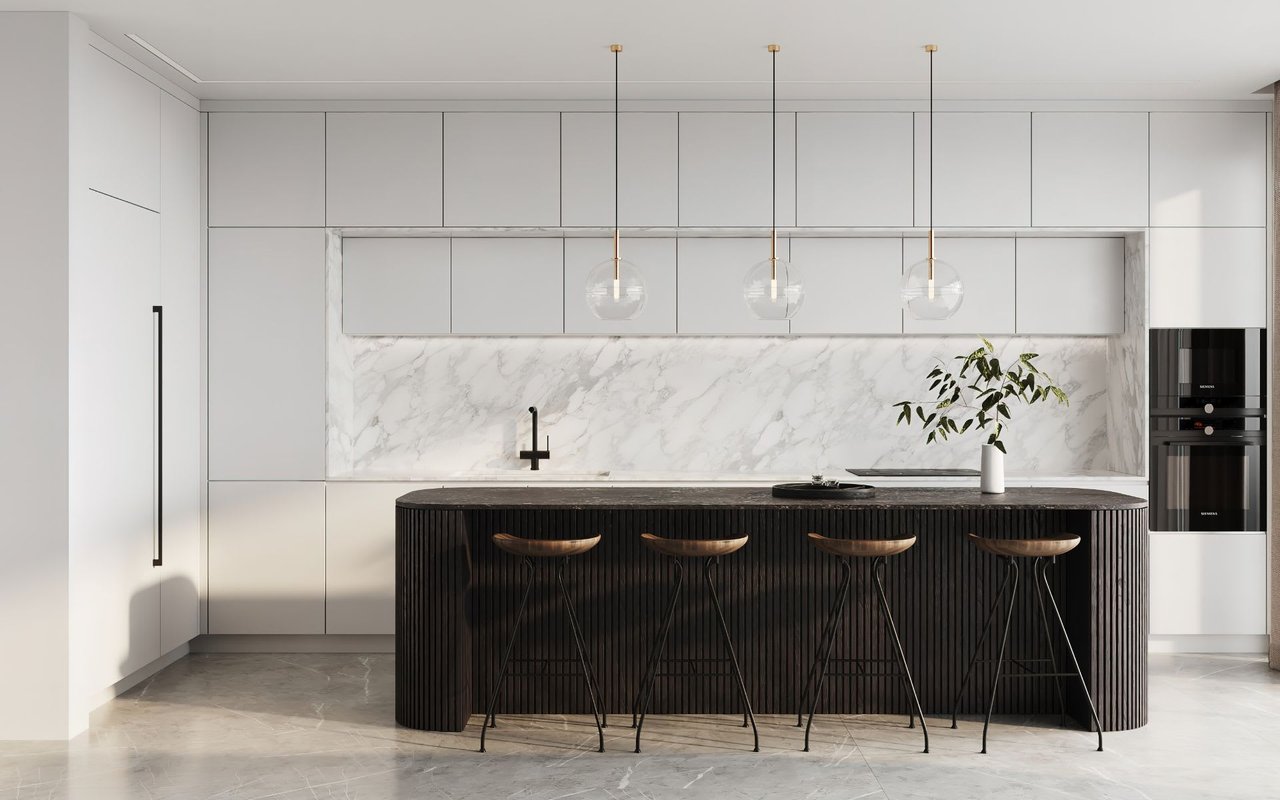
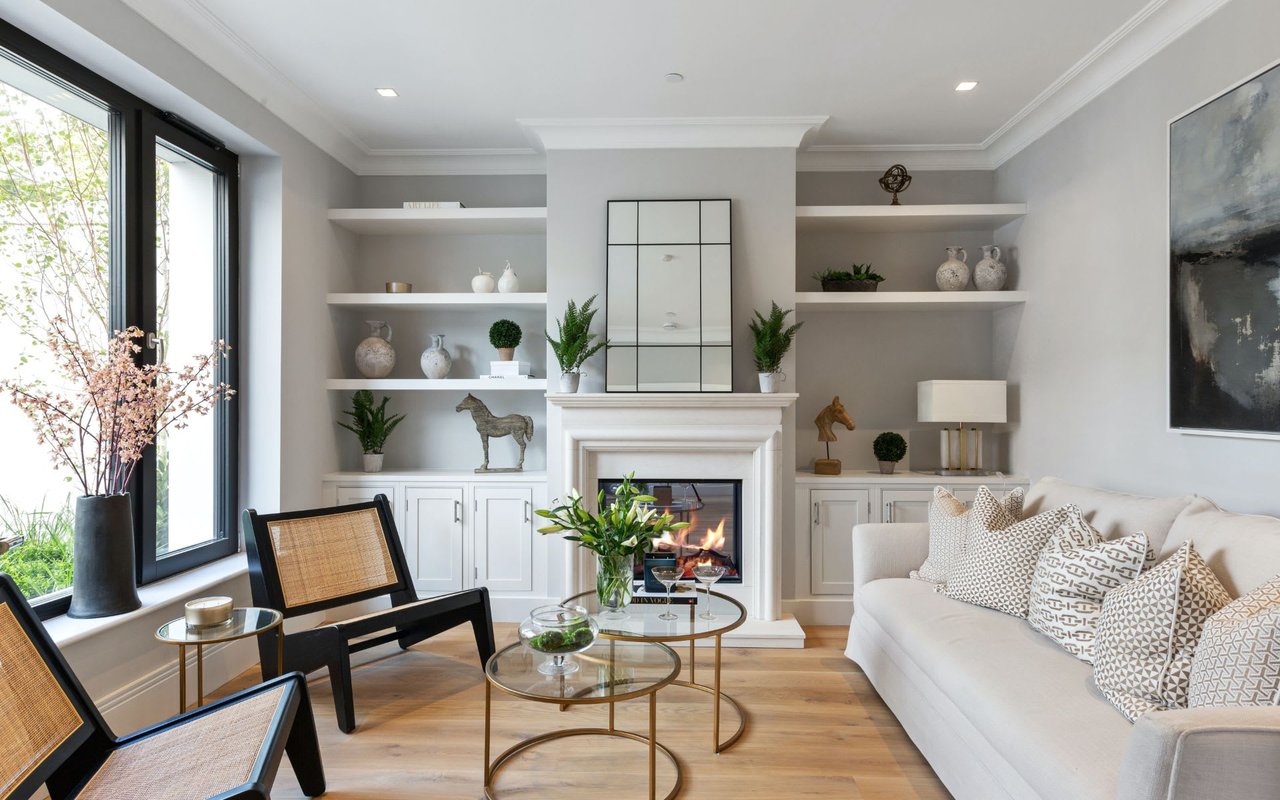
Timing and Staging Matter More Than People Think. Mission Hills shows at its absolute best from late February through May, when jacarandas are blooming, jasmine is climbing the fences, and the gardens are at their most lush. The 2026 staging trend to understand is Warm Minimalism — natural wood, curated vintage accents, and textures that bridge the historic exterior with a livable modern interior. The "all-gray" look has aged out of this market.
The restaurant core of Mission Hills runs along India Street — sometimes called International Restaurant Row — and clusters around Goldfinch Street and Fort Stockton Drive on the mesa.
Fort Oak is the neighborhood's flagship dining experience, housed in a refurbished 1940s Ford dealership. Its wood-fired cooking and acclaimed raw bar have made it a consistent presence on San Diego's best-restaurant lists. Wolf in the Woods operates at the opposite end of the scale — intimate, tapas-focused, and inspired by New Mexican folklore, it's become the go-to for date nights and wine-driven evenings. Cardellino covers Italian-American classics with house-made pastas and a clever secret: a moody back-room speakeasy called The Fates for post-dinner cocktails.
For something newer, Communion opened atop the Sasan building in 2025/2026, offering rooftop panoramic views of the coastal skyline alongside globally inspired, locally sourced plates. And for the neighborhood's most legendary, unpretentious bite, El Indio has been serving authentic Mexican food on India Street since 1940 — famously credited with inventing the taquito.
For drinks, Starlite just off the neighborhood edge is a mid-century hidden bar famous for its sunken lounge, copper-accented interior, and a Moscow Mule that locals argue is the best in the city. Shakespeare Pub & Grill covers the British-pub side of things: proper fish and chips, a rotating ale selection, and live football matches.
Shopping in Mission Hills is defined by independent, curated retail rather than big-box or mall retail. The character of the commercial strips reflects the neighborhood itself — specific, unpretentious, and worth seeking out.
Mission Hills Nursery is the neighborhood's most historically significant retail establishment, founded by Kate Sessions in 1910 and still operating as both a garden center and a living piece of local history. It remains the premier destination for unique plants, specialty outdoor decor, and horticultural expertise. West Lewis Street functions as the neighborhood's boutique corridor — antique shops, high-end interior design studios, and specialty shops concentrated on a single quiet block that feels genuinely village-like. With Love & Aesthetics stands out for gifts, jewelry, and eclectic home goods that reflect the neighborhood's artistic character.
For groceries, Lazy Acres Natural Market is the primary destination — an upscale organic market with an extensive deli, juice bar, and specialty wellness section that suits the neighborhood's demographics. Vons in Mission Hills Plaza covers everyday essentials. For premium meats, prepared foods, and luxury grocery items, Gelson's Markets is a short drive away. Fashion Valley — San Diego's premier open-air luxury shopping center with Neiman Marcus, Nordstrom, and Bloomingdale's — is less than ten minutes from the neighborhood's core.
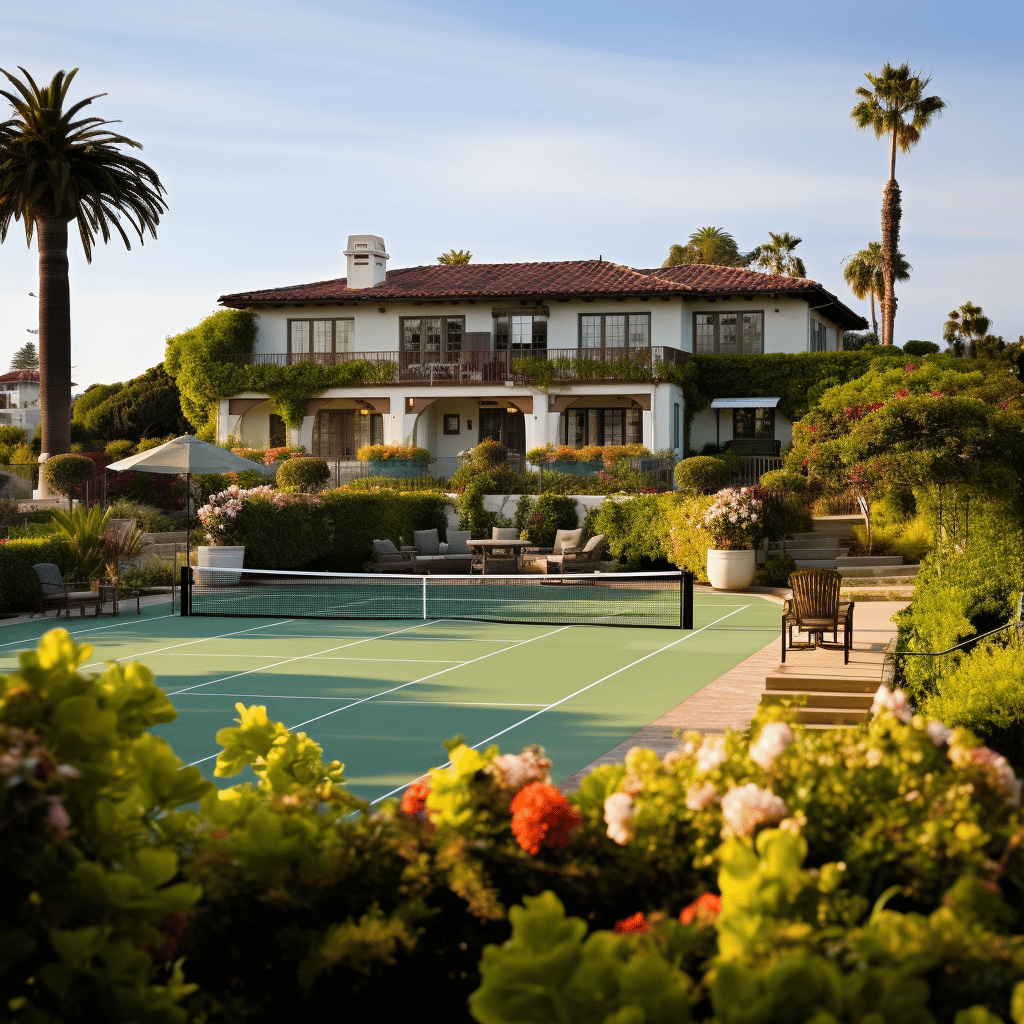
Pioneer Park is the neighborhood's social anchor — a grassy, centrally located park that was originally Calvary Cemetery (historic headstones remain in a preserved memorial section). It has a modern playground, tennis courts, and hosts two of Mission Hills' most beloved traditions: Friday evening Summer Concerts in July and community movie nights. Presidio Park, on the neighborhood's western edge, marks the site of the first European settlement in California. Its 40 acres of rolling hills offer panoramic views of Mission Valley and the Pacific, and contain the historic Junípero Serra Museum.
For trail access, Mission Hills' canyon system is the asset that sets it apart from every other urban San Diego neighborhood. Mission Hills Canyon, Allen Canyon, and several smaller fingers provide unofficial trail paths for urban hiking and birdwatching — a wilderness experience that starts, for some residents, at their back fence. For more structured trails, Mission Trails Regional Park — the largest municipally owned park in California — is fifteen minutes east, with over 60 miles of hiking and mountain biking including the ascent of Cowles Mountain.
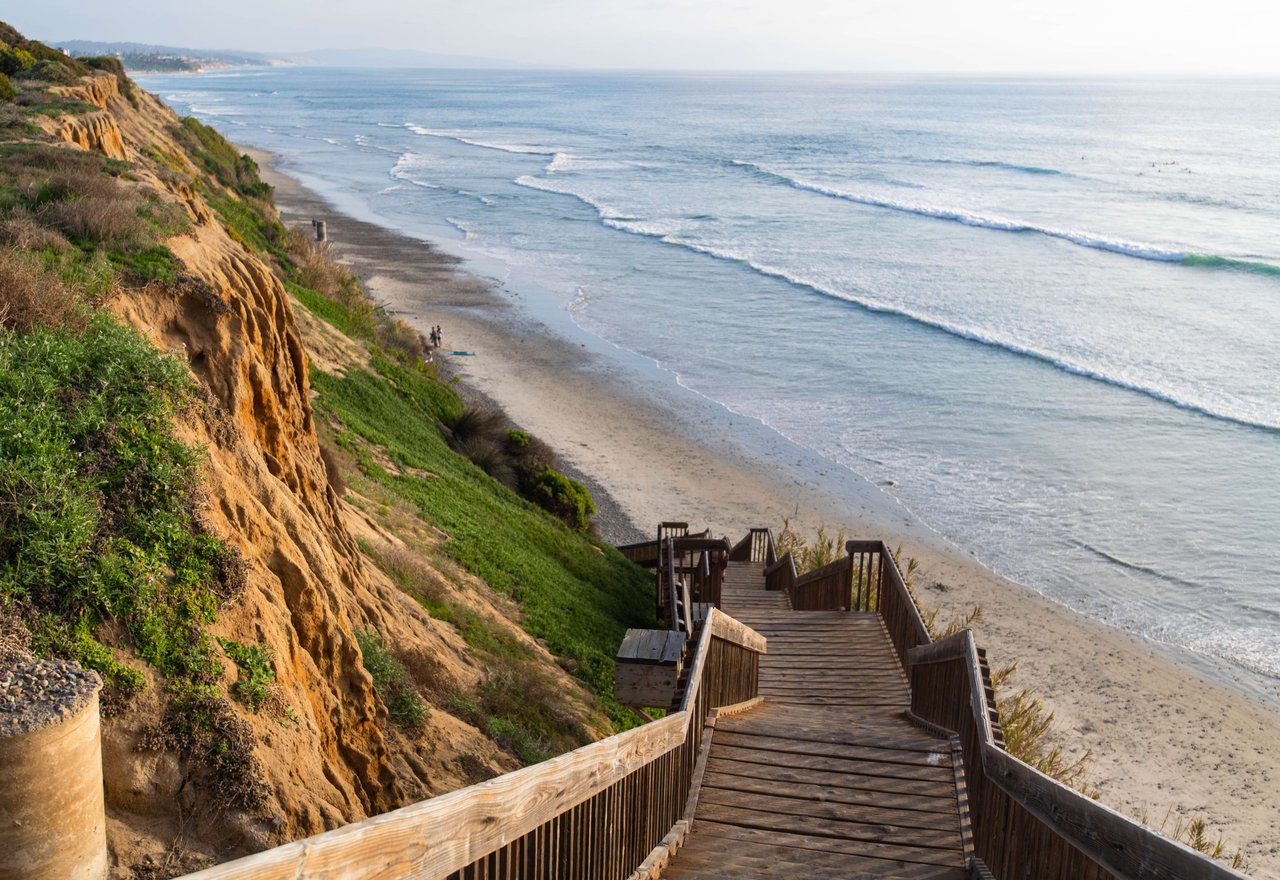
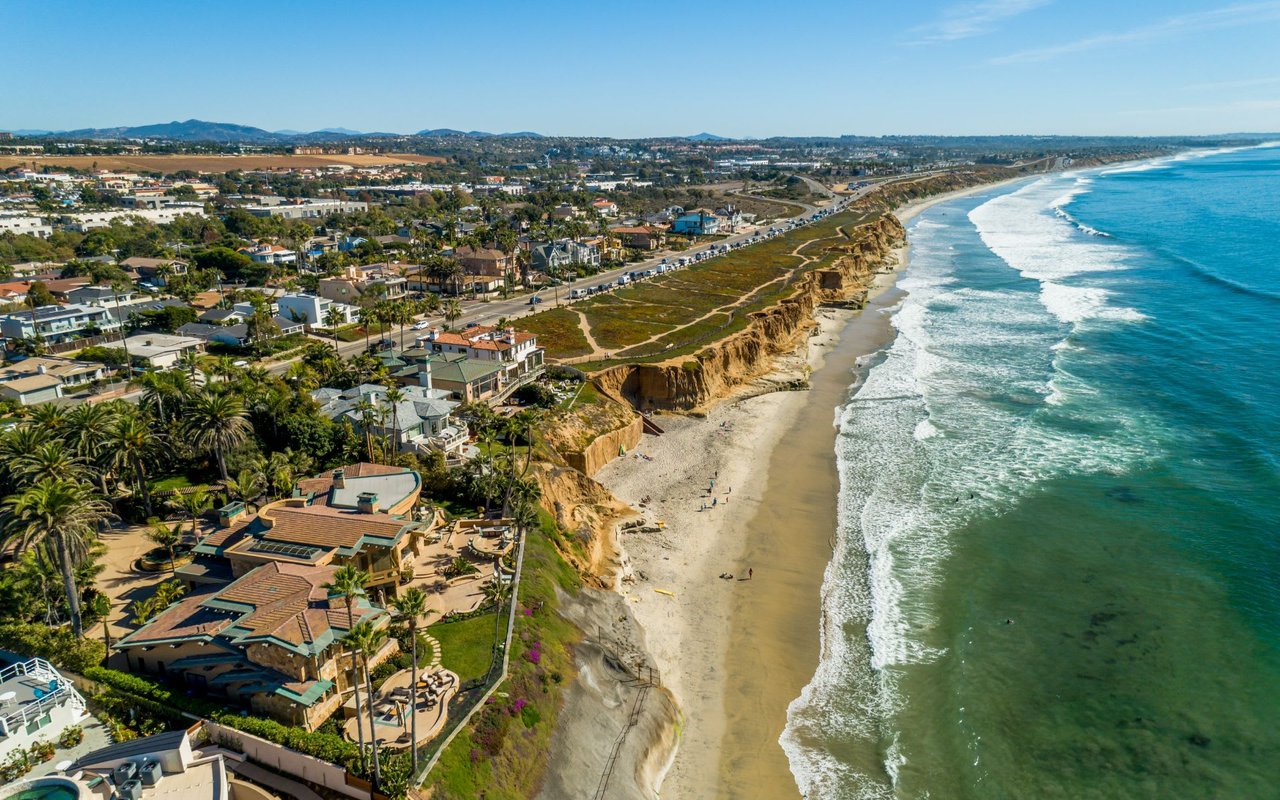
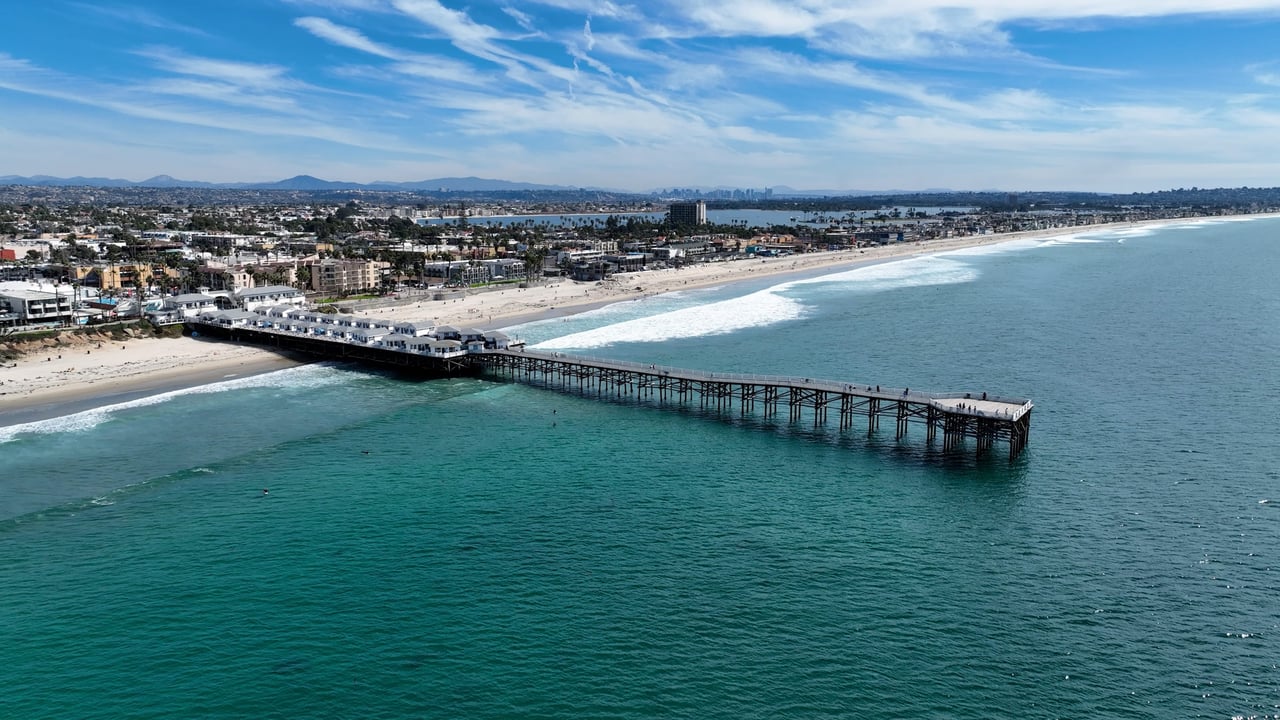
Beach access is easier than the mesa location implies: Mission Bay (paddleboarding, kayaking, calm water) and Ocean Beach's surf breaks are only 4–5 miles away. Golfers have Presidio Hills Golf Course in Old Town for a casual par-3 round, with Riverwalk Golf Club and Balboa Park Golf Course both within ten minutes for more serious play.
The culture of Mission Hills is built around stewardship. Residents don't just occupy these homes — they manage them on behalf of the neighborhood's architectural legacy, and that responsibility breeds a level of civic engagement that's unusual even by San Diego standards. It shows up in the caliber of neighborhood organizations, the enforcement of historic standards, and the pride people take in gardens that have been cultivated for decades.
The annual Mission Hills Garden Walk — running for over 20 years — opens private, designer landscapes to the public every spring, celebrating the botanical heritage that Kate Sessions started. The Historic Home Tours hosted by Mission Hills Heritage (including the "Night in España" gala) are major neighborhood social events, not just architectural tourism. The Taste of Mission Hills every October brings residents through local restaurants on the Old Town Trolley, turning the neighborhood's culinary scene into a single evening-long experience. And the Colors on Canvas banner contest — where local students paint banners displayed on street lamps through the business district — turns the neighborhood into a seasonal outdoor gallery.
Day-to-day, the lifestyle runs active and pedestrian. The mesa core around Goldfinch and West Lewis is genuinely walkable — coffee at Kettle & Stone, kids dropped at Grant K-8, dogs taken to Pioneer Park, all within a few blocks. The hills attract urban cyclists connecting Old Town and Hillcrest, and the canyon trails sustain a birdwatching and hiking community that most neighborhoods don't have access to at all.
Mission Hills is served by San Diego Unified School District, with several of the city's most respected private institutions also located within the neighborhood itself.
Grant TK-8 School is the cornerstone public option — a Niche A-rated school that runs from Transitional Kindergarten through 8th grade, giving students long-term social continuity in a single institution. Its gifted programs and strong community involvement make it one of the most sought-after public schools in the district. Florence Elementary, on the Hillcrest border, offers a highly regarded alternative focused on diverse and inclusive programming. For high school, most Mission Hills residents fall within the boundary for Point Loma High School, known for rigorous academics and competitive athletics.
On the private side, Francis Parker School's Lower School campus sits directly in Mission Hills — one of San Diego's oldest and most prestigious independent schools, offering junior kindergarten through 5th grade with a high-resource progressive curriculum. St. Vincent de Paul School has provided Catholic TK-8 education in the neighborhood since 1948, with small class sizes and strong community ties.
Early childhood options include the Mission Hills Community Preschool on West Lewis Street, which draws on Reggio Emilia and Waldorf pedagogies, and Mission Hills Church Preschool offering both full-day and half-day programs from age 2 through TK.
University access from Mission Hills is genuinely impressive: USD is just across the valley, SDSU is reachable via the Green Line Trolley, and UCSD is accessible via the Blue Line extension or a 15-minute drive north.
Mission Hills is one of the best-positioned neighborhoods in San Diego for multi-modal commuting. I-5 runs along the western edge, providing immediate north-south access to downtown, the airport, and North County. Highway 163 on the eastern edge connects directly into the heart of downtown or north to Mission Valley. Pacific Highway, less used but often faster, is a local shortcut to Little Italy and the Embarcadero.
For public transit, the Middletown Station at the base of the hill (Green and Blue Lines) connects to San Diego International Airport via shuttle, to UTC/La Jolla, and to downtown — all without a car. MTS Routes 3 and 11 serve the mesa streets themselves, linking to Hillcrest, Balboa Park, and East Village. The irony of Mission Hills is that a neighborhood built around the historic streetcar line still has excellent transit connectivity more than a century later.
The mesa itself is flat and walkable — the hills in the name refer to the canyon descents, not the surface streets. Cyclists regularly use the neighborhood as a connector route between Old Town and Hillcrest. The main practical reality for anyone considering car-dependent living here: street parking is tight, garages are narrow by modern standards, and two-car households will feel that constraint.
West Lewis Street is the neighborhood's most coveted address — quiet, tree-canopied, boutique-lined, and anchored by some of the finest restored historic homes in the neighborhood. It functions as Mission Hills' village center. Fort Stockton Drive cuts through the mesa and delivers some of the best-positioned homes relative to both the commercial district and the canyon views. Oahu Drive and Randolph Street along the canyon rim offer the dramatic siting — homes with canyon backdrops and bay views that define the neighborhood's most sought-after real estate. Montecito Way is worth noting for its concentration of well-preserved Spanish Colonial Revival homes that represent the neighborhood at its architectural peak.
People who live in Mission Hills don't tend to leave. That's the clearest data point available, and it explains the structural inventory problem that defines the market: the turnover rate is low because the satisfaction rate is high.
What Mission Hills offers that most San Diego neighborhoods can't replicate is layered depth — architectural, ecological, social, and geographic. The homes have history. The streets have shade. The canyons provide genuine wilderness within city limits. The restaurant on the corner has been there for decades. The neighbors know each other because neighborhood traditions actually bring them together.
It's also one of the rare neighborhoods that genuinely serves multiple life stages. Young professionals are drawn by the walkability, the dining scene, and the central location. Families stay for Grant K-8, Francis Parker, and the canyon trails. Long-term residents remain because the alternative — leaving a home they've spent decades restoring in a neighborhood they've watched evolve — simply doesn't appeal.
Mission Hills rewards people who appreciate what they have. In a city that often prioritizes newness, it's a neighborhood that has decided the existing thing is worth keeping.
There's plenty to do around Mission Hills, including shopping, dining, nightlife, parks, and more. Data provided by Walk Score and Yelp.
Explore popular things to do in the area, including Le Bel Age, Shanaz Design Studio, and Brooklyn Peralta Hair.
| Name | Category | Distance | Reviews |
Ratings by
Yelp
|
|---|---|---|---|---|
| Shopping | 0.25 miles | 32 reviews | 4.9/5 stars | |
| Shopping | 0.25 miles | 0 reviews | 0/5 stars | |
| Beauty | 0.23 miles | 9 reviews | 5/5 stars | |
| Beauty | 0.25 miles | 97 reviews | 4.7/5 stars | |
| Beauty | 0.28 miles | 2 reviews | 5/5 stars | |
| Beauty | 0.56 miles | 0 reviews | 0/5 stars | |
| Beauty | 0.59 miles | 0 reviews | 0/5 stars | |
| Beauty | 0.62 miles | 0 reviews | 0/5 stars | |
|
|
||||
|
|
||||
|
|
||||
|
|
||||
|
|
||||
|
|
Mission Hills has 2,948 households, with an average household size of 2. Data provided by the U.S. Census Bureau. Here’s what the people living in Mission Hills do for work — and how long it takes them to get there. Data provided by the U.S. Census Bureau. 6,969 people call Mission Hills home. The population density is 7,409 and the largest age group is Data provided by the U.S. Census Bureau.
Total Population
Population Density Population Density This is the number of people per square mile in a neighborhood.
Median Age
Men vs Women
Population by Age Group
0-9 Years
10-17 Years
18-24 Years
25-64 Years
65-74 Years
75+ Years
Education Level
Total Households
Average Household Size
Average individual Income
Households with Children
With Children:
Without Children:
Marital Status
Blue vs White Collar Workers
Blue Collar:
White Collar: