Best Neighborhoods in La Jolla with Key Insights
You’ll find La Jolla Village combines coastal charm with urban convenience, giving you access to beaches, galleries, restaurants, and everyday services within easy walking distance. If you want a neighborhood that balances upscale dining and shopping with outdoor recreation and strong transit options, La Jolla Village delivers.
This guide shows what living there looks like — housing types, neighborhood character, typical costs, and how people spend their time — so you can quickly judge if it fits your lifestyle. Expect practical tips on getting around, top things to do, and answers to common questions that help you plan a visit or a move.
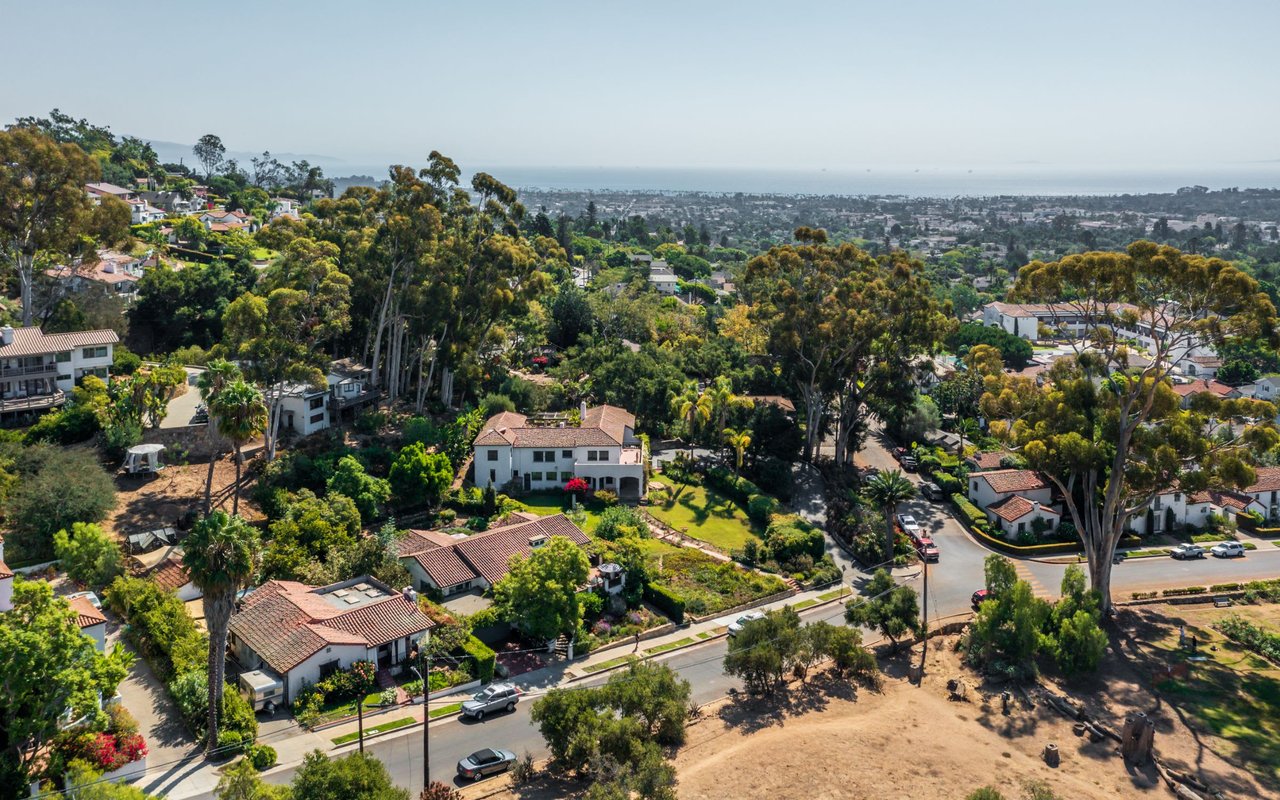
La Jolla Village sits along coastal bluffs with a compact commercial core, nearby beaches, and residential blocks that range from apartments to luxury condos. You’ll find shopping, dining, cultural spots, and transit options within a few blocks of one another.
La Jolla Village occupies the central portion of the La Jolla community, roughly bounded by Pearl Street and Villa La Jolla Drive to the north, Coast Boulevard and the coastline to the west, Gilman Drive to the east, and Prospect Street toward the south.
The neighborhood centers on La Jolla Village Drive and the La Jolla Village Square/Shopping Center area, giving you easy access to I-5 via La Jolla Village Drive and to UC San Diego via nearby Gilman Drive.
Key nearby landmarks:
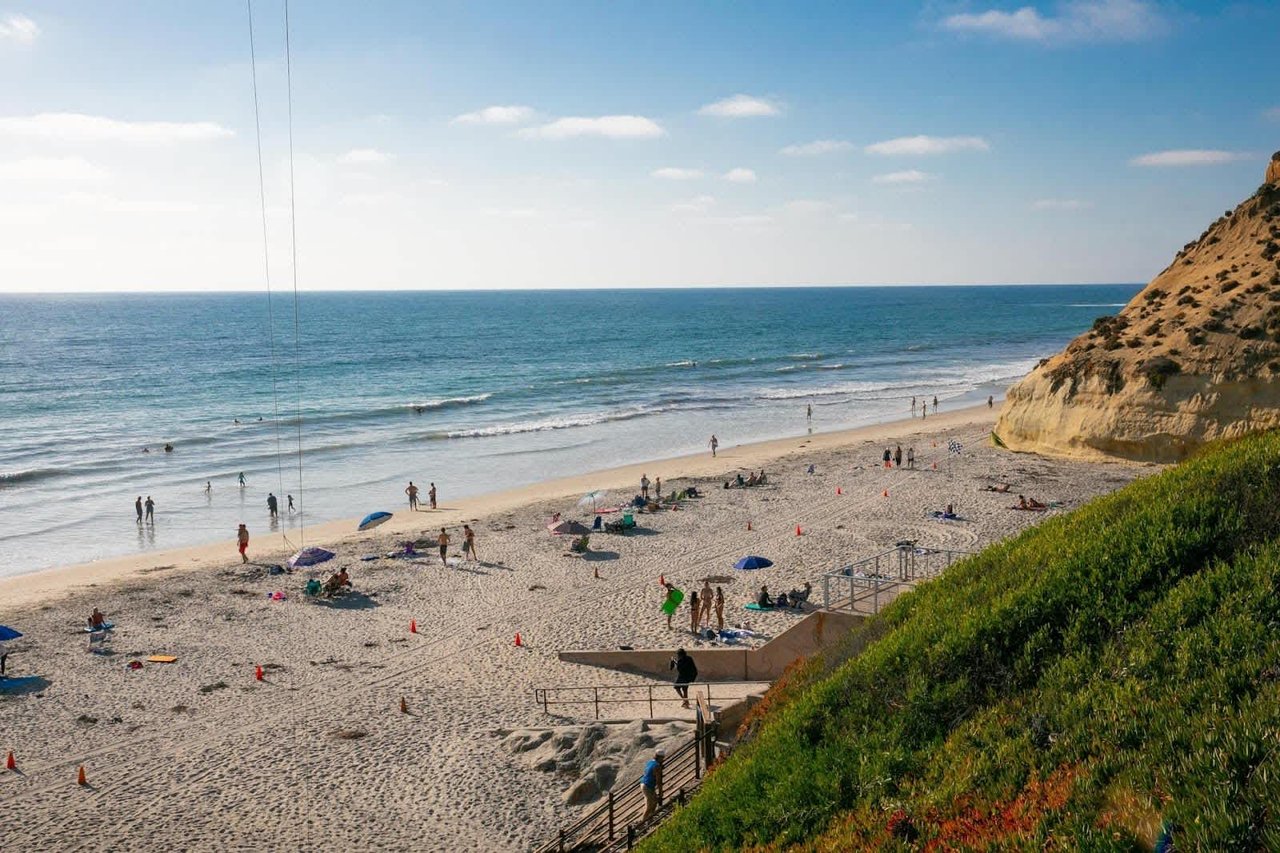
Windansea and La Jolla Shores beaches within a short drive.
The Village Green, Shops at La Jolla Village, and multiple grocery and service options.
UC San Diego and Torrey Pines are a short commute east and north.
You’ll experience a mix of lively commercial streets and quiet residential pockets. Daytime activity concentrates around shops, restaurants, and office buildings; evenings tend to be quieter with neighborhood restaurants and local galleries drawing steady crowds.
Demographics and housing:
Housing ranges from walk-up apartments and older single-family homes to modern condominiums and townhomes.
The area attracts professionals, students, and families who value proximity to beaches, schools, and transit.
Amenities and lifestyle:
Frequent foot traffic along La Jolla Village Drive, plus weekday commuter flow to nearby employment centers.
Public transit routes and bike lanes make getting around feasible without a car for short trips.
A village feel persists despite tourist visits, so you’ll notice a balance of local routines and visitor-oriented services.
La Jolla Village developed as the commercial heart of La Jolla in the mid-20th century, growing around small shopping centers and the original village retail strip. You’ll see architectural layers reflecting postwar storefronts, later retail remodels, and newer infill development.
Notable phases:
Early 20th century: La Jolla grew as a coastal resort and residential enclave.
Mid-century: Village commercial growth served local needs and rising automobile use.
Late 20th–21st century: Redevelopment introduced mixed-use projects and higher-density housing to meet demand.
You can still find historic buildings intermixed with contemporary construction, giving the neighborhood visual variety and a sense of continuity between La Jolla’s past and present.
La Jolla Village balances walkable streets, coastal access, and upscale dining with a mix of housing types and strong public services. You’ll find a compact downtown that supports both daily errands and cultural outings within minutes of the coastline.
You’ll encounter a variety of housing: low-rise condos, historic cottages, and luxury multi-story flats close to Girard Avenue and Prospect Street. Prices skew high compared to San Diego averages; one- and two-bedroom condos often sell or rent at a premium due to proximity to beaches and retail.
If you want a quieter block, look toward the edges of the Village where residences back up to La Jolla Heights or Muirlands. Expect HOA fees in newer buildings and limited on-street parking in the busiest corridors. Short-term rental demand remains strong, so zoning and STR rules can affect investment uses.
You can enroll children in a mix of public and private options nearby. Public schools in the La Jolla cluster include La Jolla Elementary and La Jolla High School; they offer standard district curricula plus AP and elective options at the secondary level.
Several well-regarded private schools and preschools operate within a short drive, providing alternatives focused on college prep and specialty curricula. If school quality ranks highly for you, verify current test scores, enrollment zones, and waitlists—the Village’s desirability often creates competitive placement at neighborhood schools.
You’ll find a population mix skewing toward professionals, retirees, and seasonal residents. The Village attracts high-income households and a higher percentage of residents with bachelor’s and graduate degrees compared with San Diego overall.
Household sizes tend to be smaller—singles, couples without children, and empty nesters are common—while some families remain in nearby residential neighborhoods. Expect a year-round tourist pulse that increases foot traffic and seasonal population density.
You’ll find a compact mix of upscale shops, acclaimed restaurants, cultural attractions, and ocean-front recreation within easy walking distance. Plan by neighborhood block—Girard Avenue and Prospect Street concentrate dining and boutiques, while the waterfront and park areas host most outdoor activities.
Stroll Girard Avenue for independent boutiques, surf shops, and specialty stores selling jewelry, home goods, and coastal apparel. Prospect Street has several art galleries and gift shops; you can pop into the La Jolla Bookstore for local authors or stop at Royce Chocolatier for confections.
Dining ranges from casual seafood spots to white-tablecloth restaurants with ocean views. Try a seafood-centric lunch at a harbor-side café, then reserve dinner at an acclaimed coastal restaurant for seafood towers or seasonal tasting menus. For quick bites, grab a coffee and pastry at a café near the park or a fish taco from a popular local taqueria.
Practical tips:
Peak dining times fill quickly—make reservations for dinner.
Bring cash or a card; most small shops accept cards but some prefer cash for small purchases.
Window-shop early; many boutiques close by 6–7 PM.
Visit the Museum of Contemporary Art San Diego—La Jolla branch for rotating modern exhibits and coastal-themed installations. Walk to the La Jolla Historical Society museum to learn about local maritime history and early settlement.
Catch live music at small venues or seasonal outdoor concerts in the village. Film and performing-arts events appear at local theaters and community centers; check event calendars before you go. Art galleries along Prospect Street frequently host opening nights where you can meet artists and browse new work.
Practical notes:
Gallery hours vary; many open late for First Friday events.
Museum admission may have discounts for seniors and students.
Check theater listings online for current shows and ticket options.
Explore the coastline at Ellen Browning Scripps Park and the nearby seals and sea lions at La Jolla Cove. Snorkel or kayak the La Jolla Underwater Park to see bright kelp beds and marine life; guided tours launch from the shore and nearby outfitters.
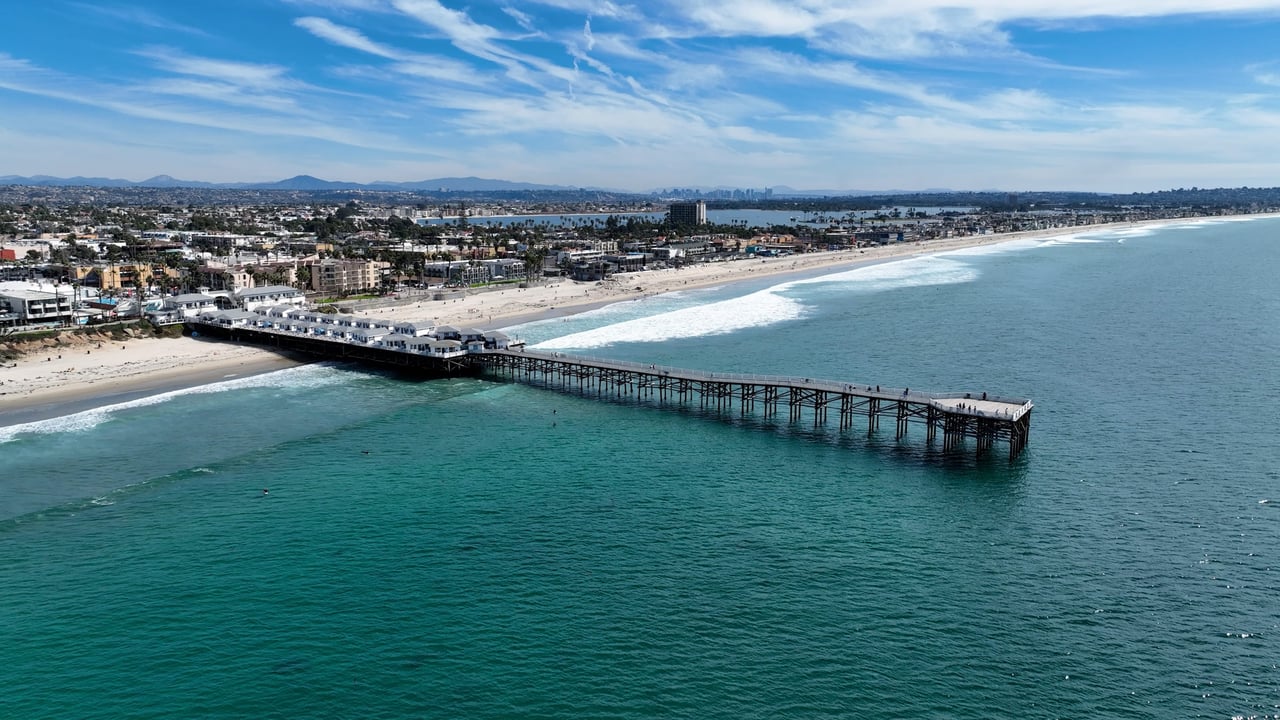
Walk the coastal trails around the cliffs for vantage points over Tide Pools and the Children’s Pool. For a longer excursion, bike the shoreline routes toward the Scripps Pier for surf-watching and scenic photos.
Safety and logistics:
Wear sturdy shoes for rocky trails and bring sun protection.
Tide pools and marine areas have seasonal restrictions—observe posted signs.
Reserve guided water tours in advance, especially on summer weekends.
La Jolla Village concentrates shops, restaurants, and services within a compact area, making short trips efficient. You’ll find several transit options, paid parking, and highly walkable streets for quick errands or a relaxed evening out.
MTS bus routes connect La Jolla Village to downtown San Diego, UC San Diego, and neighboring communities. Routes like the 30 and 150 run frequently along Girard Avenue and La Jolla Village Drive; check the San Diego MTS app for real-time schedules and service alerts.
The UC San Diego shuttle network can be useful if you’re headed to the campus from Village stops near Villa La Jolla Drive. Rideshare and local shuttles supplement buses during evenings and weekends when direct transit frequency drops.
If you prefer rail, the closest COASTER/Amtrak and trolley stations are several miles away in Old Town and downtown; plan for a bus or rideshare connection if you need regional rail access.
Street parking in the Village is metered; pay attention to posted time limits and enforcement hours. Expect higher demand on weekends and during events, so arrive early for curb spaces near Prospect Street and Girard Avenue.
Public lots and private garages sit behind several blocks of retail corridors; rates vary by lot and event. Many restaurants and shops offer validated parking with a purchase—ask before you park.
If you rely on a car regularly, consider a monthly permit at nearby commercial lots or check residential permit zones if you plan extended stays. Use parking apps to find open spaces and compare hourly versus flat-rate lot pricing.
La Jolla Village rates highly for walkability; sidewalks and crosswalks connect most shops, galleries, and eateries within a few blocks. You can comfortably walk from Prospect Street to the eastern edge of the Village in under 10 minutes.
The terrain is mostly flat in the central Village but grows hillier toward Mount Soledad and the Muirlands. Expect narrow sidewalks and tourist foot traffic near waterfront viewpoints—stay alert during peak tourist seasons.
Benches, street trees, and short block lengths make strolling pleasant. If mobility is a concern, curb ramps and accessible entrances are common at major businesses, though some older buildings may present access limitations.
Thinking about buying a home in La Jolla?
Allow our team of luxury real estate specialists to help you navigate every step of the buying or selling process. With deep local expertise and firsthand knowledge of the La Jolla market, we provide the insight and strategy you need to make confident real estate decisions.
Connect with The Comiskey Group at Compass for trusted representation, whether you’re searching for your next La Jolla property or ready to list your current home.
This section answers practical questions about visiting, eating, shopping, staying, and getting around La Jolla Village. Expect specific places, transit tips, and outdoor options you can use while planning your visit.
Visit the La Jolla Cove sea lion rookeries and tide pools for close ocean wildlife viewing and easy walking trails.
Stop by the Museum of Contemporary Art San Diego (La Jolla branch) for rotating exhibitions and ocean-view galleries.
Walk the coastal cliffs near Ellen Browning Scripps Park for sunset views and photography.
Explore the La Jolla Playhouse if you want professional theater productions and community events.
Girard Avenue and Prospect Street host a concentration of restaurants, from casual cafes to upscale seafood and California-Mediterranean cuisine.
Look for local favorites that focus on seafood, farm-to-table menus, and patio seating with neighborhood views.
Casual options include bakeries, coffee shops, and gastropubs scattered throughout the Village core.
Make reservations for popular evening spots, especially on weekends and during tourist seasons.
Prospect Street and Girard Avenue form the Village shopping spine, with boutiques, galleries, and specialty shops within a few blocks.
Find local art galleries, high-end clothing boutiques, and home goods stores concentrated near the Village center.
There are also several independent bookshops, surf shops, and specialty food stores that cater to both residents and visitors.
You can combine shopping with dining and gallery visits for a compact, walkable outing.
Look for boutique and luxury hotels along Prospect Street and the immediate Village area for walkable access to shops and restaurants.
Several upscale hotels and inns offer ocean views, on-site dining, and concierge services geared to visitors.
You’ll also find smaller inns and vacation rentals within short walking distance of the Village core if you prefer a quieter, residential feel.
Book early for summer and holiday weekends to secure preferred rooms and rates.
Ellen Browning Scripps Park sits between the bluff and the Village and provides picnic lawns, event space, and direct access to the Cove.
The coastal cliffs and pathways offer short, scenic walks with ocean overlooks and interpretive signage.
Small pocket parks and landscaped plazas appear throughout the Village, providing shaded seating and community gathering spots.
Tide pools near the Cove and the Children’s Pool area offer guided wildlife viewing opportunities at low tide.
MTS bus routes serve La Jolla Village with stops along major corridors like La Jolla Parkway, Torrey Pines Road, and Prospect Street.
You can use the San Diego MTS app or website to check real-time schedules, route maps, and fares.
Rideshare and local shuttle services supplement buses for point-to-point travel within La Jolla and to nearby neighborhoods.
Plan extra travel time during peak tourist seasons when demand for transit and parking increases.