Carmel Country Highlands has mostly been built out since the 1980s and 90s — which is what makes Bridle Ridge stand out inside it. Pardee Homes completed this pocket of roughly 70 to 75 houses between 2008 and 2010, decades after most of its surroundings, and the difference shows in the terrain the homes actually sit on: ridgeline and gently sloped lots chosen specifically for the canyon views they open up, rather than land left over after everything flatter was already spoken for.
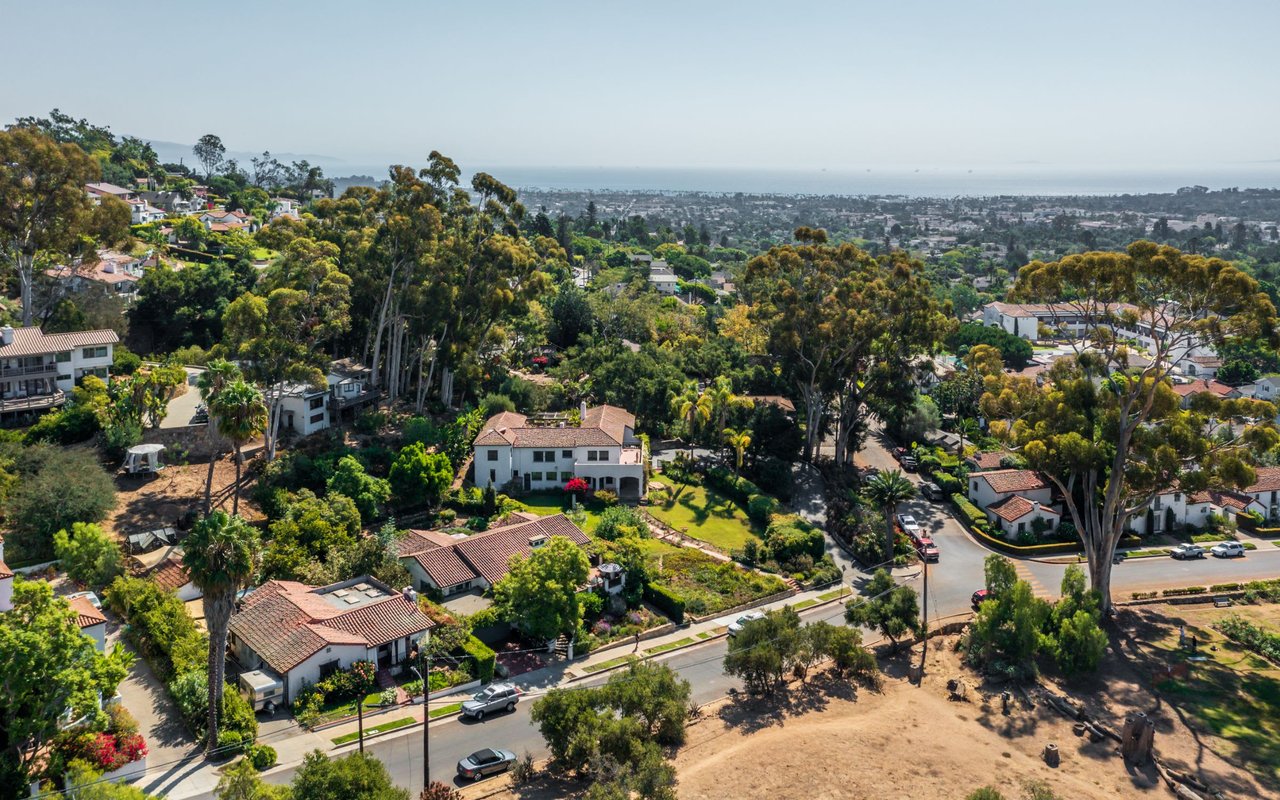
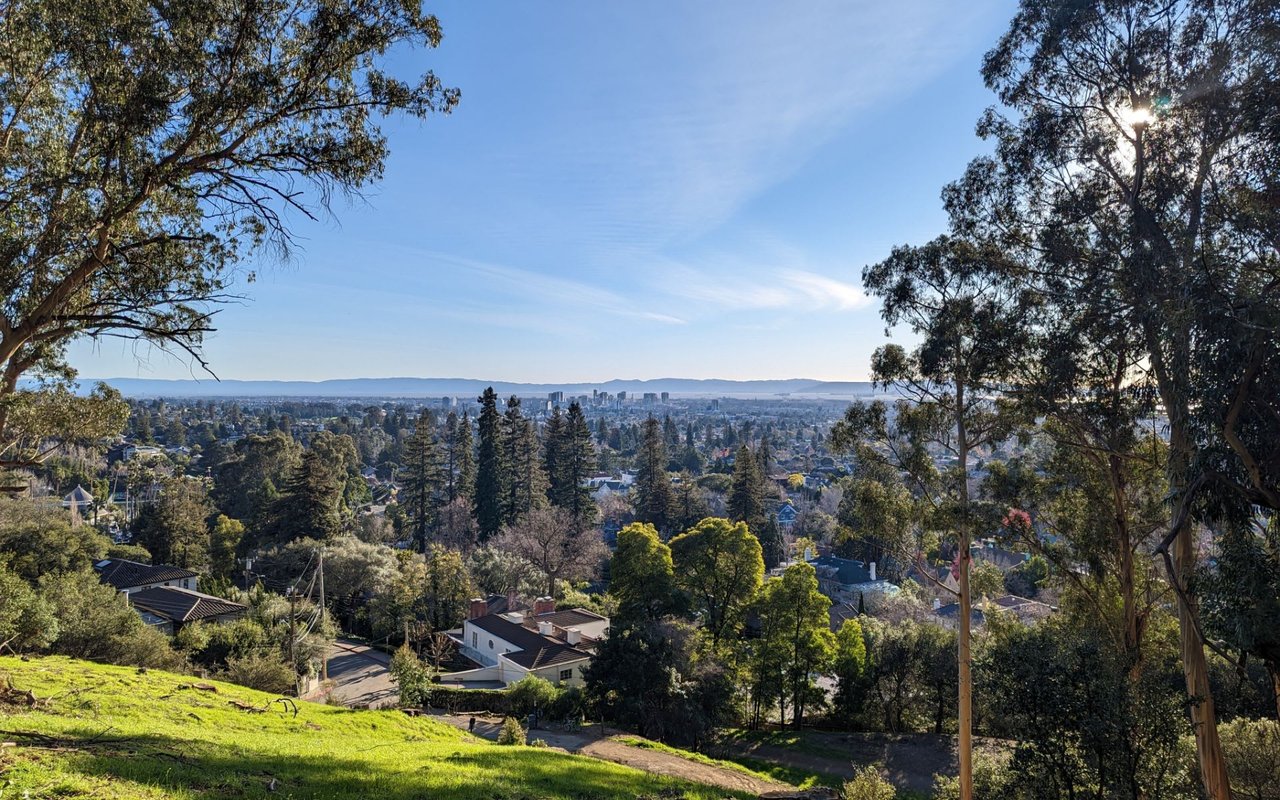
Elevation is doing most of the work. Spread across a handful of small clusters along streets including Bridle Ridge Court, Gaylemont Lane, and the Gablewood Way area, a meaningful share of Bridle Ridge's homes face undeveloped canyon terrain instead of another rooftop — a direct result of building later, on the sites that were left for last precisely because of their slope. That same terrain comes with a responsibility most flatter Carmel Valley tracts don't share: homes near the canyon edge fall under local brush-clearance rules, and it's common to see homeowners here favor low-water, native plantings with drip irrigation over a traditional lawn, a choice that helps with both the water bill and defensible space during fire season.
Nearly every home in Bridle Ridge is a two-story design from the late-2000s playbook — open kitchens, primary suites with their own bathrooms, and floor plans that treat the backyard as an extension of the living space rather than an afterthought. Stucco walls and tile roofing tie the exteriors together in the Mediterranean style common to newer San Diego construction. Because lot orientation varies more here than in a flatter neighborhood, two homes on the same street can offer very different experiences — one catching morning sun, another built to frame a canyon sunset — and that orientation has a real effect on how private a backyard actually feels.
Built out as a single project rather than in phases, Bridle Ridge keeps through-traffic minimal by nature, and an HOA maintains shared landscaping and common-area standards across its sections. The result is a community that feels settled and low-key despite being one of the newer builds in the surrounding area — small enough that most owners recognize their neighbors, without the churn that comes with a larger, multi-phase development.
Schools: Public assignment splits between the Del Mar Union and San Dieguito Union districts depending on exact address, with feeder patterns commonly referencing Cannon and Sycamore Ridge elementary schools on the way to Torrey Pines High School. Several private and charter options, plus early childhood and after-school programs, sit within a short drive. (Exact boundaries should be confirmed address-by-address with the districts before publishing.)
Everyday shopping: Torrey Hills Center covers groceries, dining, and basic services within minutes; UTC and Del Mar Heights Marketplace add bigger retail and entertainment options, both under twenty minutes away.
Recreation: Neighborhood parks, walking trails, Del Sur trail connections, and a nearby community pool round out the outdoor options without requiring a long drive.
Commute: I-5 is roughly 10 to 15 minutes away via Carmel Country Road, and the UTC business district runs about 15 to 20 minutes. Transit is limited locally, so most residents rely on a car, though bike and walking routes cover local trips to schools and parks well.
Community type: Small, single-phase Pardee development, HOA-managed
Built: 2008–2010, roughly 70–75 homes
Setting: Ridgeline and sloped lots within Carmel Valley's Carmel Country Highlands area
Architecture: Two-story, stucco and tile roofing, 3–5 bedroom floor plans
Standout feature: Canyon and open-space views from a notable share of lots
Schools: Del Mar Union and San Dieguito Union districts, varies by exact address
Best fit for: Buyers who want newer construction and canyon views inside an otherwise established Carmel Valley area
Bridle Ridge: Newest build date in this comparison (2008–2010), canyon-view lots, small single-phase HOA community
Carmel Country Highlands: The broader, older surrounding area — mostly 1980s–90s construction with larger lots and more established landscaping
Belmont: Similarly newer and HOA-managed, but flatter terrain and a larger overall home count
Bayshore: Much older (1986), no Mello-Roos, flatter and more centrally located with direct Bay Club access
Amador: No HOA at all and larger lots — the opposite management style from Bridle Ridge's actively maintained common areas
Bridle Ridge's small size and single-builder history keep it a fairly cohesive product from a pricing standpoint, with lot placement — particularly canyon exposure and elevation — playing an outsized role in how individual listings compare to one another. Because the community is compact, inventory runs thin at any given time, and move-in-ready homes in well-maintained sections tend to draw competitive interest. As with the rest of Carmel Valley, demand stays closely tied to school access and proximity to daily conveniences like Torrey Hills Center.
When was Bridle Ridge built? Bridle Ridge was developed by Pardee Homes between 2008 and 2010, making it one of the newer pockets within Carmel Valley's broader Carmel Country Highlands area.
Does Bridle Ridge have canyon views? Many homes do. The community sits on ridgeline and gently sloped lots specifically positioned to look out over nearby canyon terrain and preserved open space, though exposure varies by exact lot.
What schools serve Bridle Ridge? Assignment falls across the Del Mar Union and San Dieguito Union districts depending on the specific address, with feeder patterns commonly leading toward Torrey Pines High School. Exact boundaries should be confirmed directly with the districts.
Is Bridle Ridge an HOA community? Yes. An HOA maintains common areas and landscaping standards across the community's sections.
How does Bridle Ridge compare to the surrounding Carmel Country Highlands area? Bridle Ridge is notably newer, built in 2008–2010 versus the 1980s–90s construction typical of the broader Carmel Country Highlands area it sits within, and its lots are more specifically oriented around canyon views.
Thinking about buying a home in Carmel Valley?
Allow our team of luxury real estate specialists to help you navigate every step of the buying or selling process. With deep local expertise and firsthand knowledge of the Carmel Valley market, we provide the insight and strategy you need to make confident real estate decisions.
Connect with The Comiskey Group at Compass for trusted representation, whether you’re searching for your next Carmel Valley property or ready to list your current home.