You'll find Del Mar balances small-town village charm with upscale coastal living, making it easy to picture weekend beach walks, local shops, and quiet residential streets. If you want a quick sense of where to live, focus on three types of neighborhoods: the walkable Village, the beachfront communities like Beach Colony, and the quieter hills and Heights for larger lots and privacy.
This guide breaks down living in Del Mar—schools, lifestyle, walkability—and highlights popular areas and attractions like the bluffs, the racetrack, and local dining so you can match neighborhood traits to your priorities. Use the neighborhood snapshots and practical tips ahead to narrow choices fast and plan your next visit or move with confidence.
Among San Diego County's coastal communities, Del Mar occupies a rare position: internationally recognized, yet compact and low-profile. It's known for ocean views, a village lifestyle, and limited coastal inventory, which makes it one of the county's most exclusive markets. What gives the city its character is a deliberate absence of high-rise density—Del Mar preserves a low-profile, residential feel without high-rise congestion, protecting both privacy and long-term value. The result is a place that reads as a beach town, not a resort strip, where two-mile-long Camino Del Mar still anchors daily life.
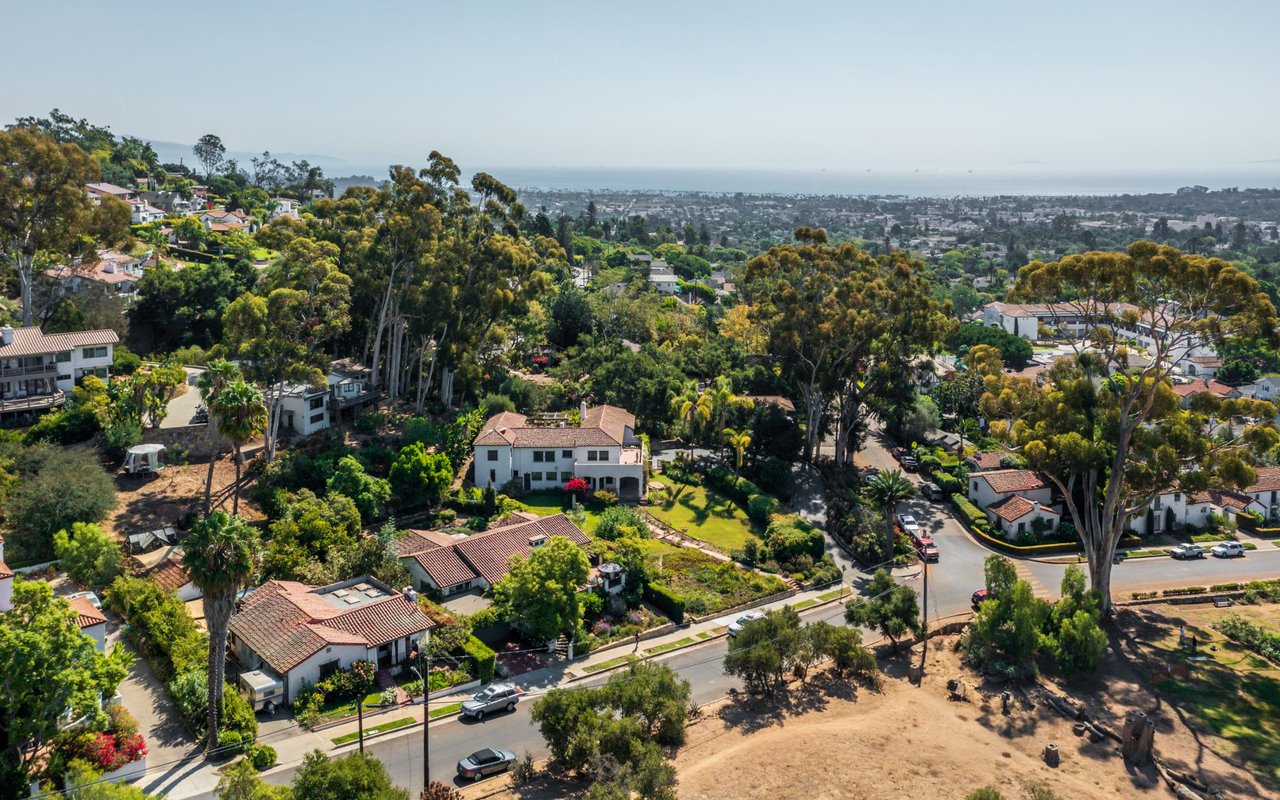
The city is also defined by its distinct sub-neighborhoods, every one set apart by elevation, architecture, and pace of life. Olde Del Mar, Del Mar Heights, Del Mar Terrace, and Beach Colony each carry a different architectural style and appeal, so "living in Del Mar" can mean a bluff-top modern estate, a walkable village cottage, or a family street up in the Heights—very different daily experiences inside the same small city.
Expect coastal breezes, hilly streets, and close access to beaches, parks, and village shops. Homes here range from historic cottages to modern blufftop estates and quiet suburban lots, with top-rated schools and an active, outdoors-oriented community.
Day to day, the rhythm here is unhurried and outdoor-oriented. Mornings tend toward beach walks, surf checks, and coffee in the Village; afternoons lean into the bluffs and trails; and the calendar fills out with the racetrack season, the county fair, farmers markets, and beachside community events. It's a place organized around being outside and on foot more than most of San Diego.
Del Mar offers a range of home types that match different priorities. In the Village and Beach Colony you'll find smaller bungalows and mid-century cottages a short stroll from the sand and the dining scene. These are ideal if you value walkability and easy beach access.
On the bluffs and in the hills, expect contemporary glass-and-stucco estates and Spanish-style homes on larger lots with ocean views. Properties there often include multi-level designs, outdoor living areas, and private drives. Lot sizes and price per square foot increase significantly as you move inland to gated or elevated parcels.
The broader architectural range is part of the appeal: housing styles run from Mission Revival and Craftsman to ultra-modern estates, spanning custom residences, condominiums, and apartments. That mix means the city supports both character-driven restoration projects and turnkey modern builds. There's also a recognized submarket for buyers who want history or improvement potential—older village-area homes, bluff-top properties, and remodel-or-rebuild opportunities that, in a city this small, tend to be limited and highly specific when they appear.
If you want newer construction, focus on infill projects and remodeled homes that blend modern finishes with coastal materials. Use neighborhood listings to compare styles and recent sales to get a realistic sense of inventory and price ranges.
Del Mar's market behaves differently from inland and central San Diego, and it's worth understanding before you shop. As a small coastal city with tightly limited inventory, it stays exclusive largely because supply simply can't expand much. To put scale in perspective, roughly 142 homes sold across Del Mar over a recent 12-month period—a small fraction of what larger neighborhoods turn over, which is part of why well-positioned listings can move quickly.
Pricing sits at the top of the regional market. Figures vary by source and by month, but as of mid-2026 the median home price in Del Mar was reported around $3.2 million, with sub-markets ranging higher—Del Mar Heights, for instance, was reported near a $3.5 million median in early 2026 for buyers wanting more space without the closest beach positioning. Condos offer a comparatively more attainable entry point into the city, with a smaller pool of listings at any given time.
Inventory is the defining constraint. Because listings are limited and specific, the right home doesn't always come up on your timeline. Buyers benefit from being financing-ready and decisive; sellers benefit from how scarce comparable properties tend to be.
Location nuance drives value heavily. Individual home values vary widely by location, views, lot type, and property style—two homes a few blocks apart can price very differently based on elevation and sightlines.
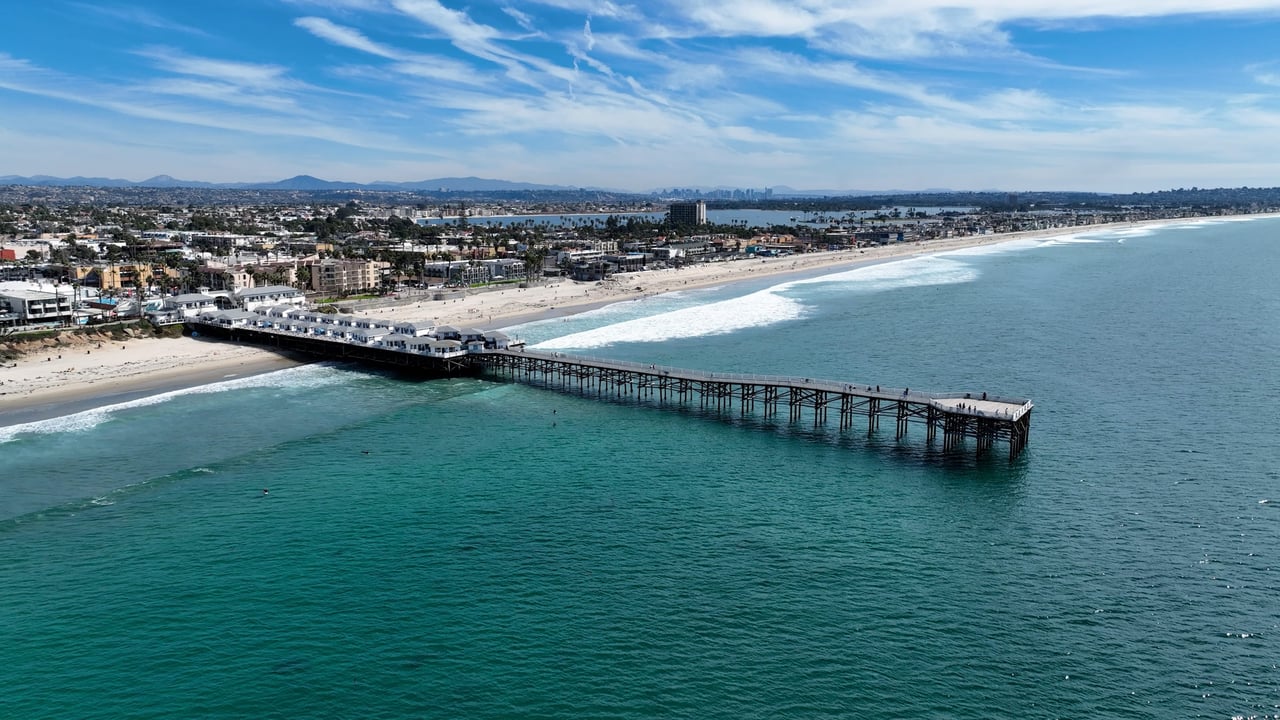
Beach proximity is its own category. North Beach and Beach Colony sit closest to the water, making them the strongest fit when beach convenience is the top priority.
Because figures shift month to month and single-city sample sizes are small, treat any number here as a starting point and verify current comps for a specific property with a local agent before making decisions.
Del Mar is served by the Del Mar Union School District (elementary and middle) and the San Dieguito Union High School District for high school. These districts emphasize small class sizes, strong parent involvement, and programs in STEM and the arts. Specific schools, such as Del Mar Heights Elementary and Torrey Pines High, have notable reputations in the area.
The strength of these schools is also a market force in its own right. Proximity to top-rated Del Mar Union schools drives consistent demand, and turnover in the strongest school pockets tends to be extremely low—families move in and stay, which tightens inventory further in those areas. If a particular campus is a priority, that's worth factoring into both your search area and your timeline.
You should check school boundaries and enrollment policies because some families use district maps and transfer options to target particular campuses. Private and charter options also exist in nearby coastal communities if you want alternatives to the public system.
Proximity matters: many homes in Del Mar place you within easy walking or short driving distance to campus, which reduces commute time and supports participation in after-school activities. School assignment should always be verified by exact property address, since boundaries don't follow neighborhood names cleanly.
You'll find a relatively affluent, coastal community that skews towards families, retirees, and professionals who commute to central San Diego or work locally. Weekdays often center on school, beach activities, and local services; weekends draw visitors to the racetrack, village shops, and seaside parks.
Outdoor recreation shapes daily life—surfing, tidepooling, hiking the bluffs, and bicycling are common. Community events, farmers markets, and volunteer-driven organizations support strong local engagement. Expect higher housing and living costs compared with inland San Diego, balanced by high-quality amenities and public safety.
If you prioritize walkability, ocean access, and a small-town coastal character, target neighborhoods close to the Village or the coast. For more privacy and larger lots, look toward the hills and blufftop areas.
Del Mar blends oceanfront neighborhoods, a concentrated village center with dining and shopping, and accessible outdoor recreation—from surf breaks and bluff trails to the seasonal racetrack and county fair.
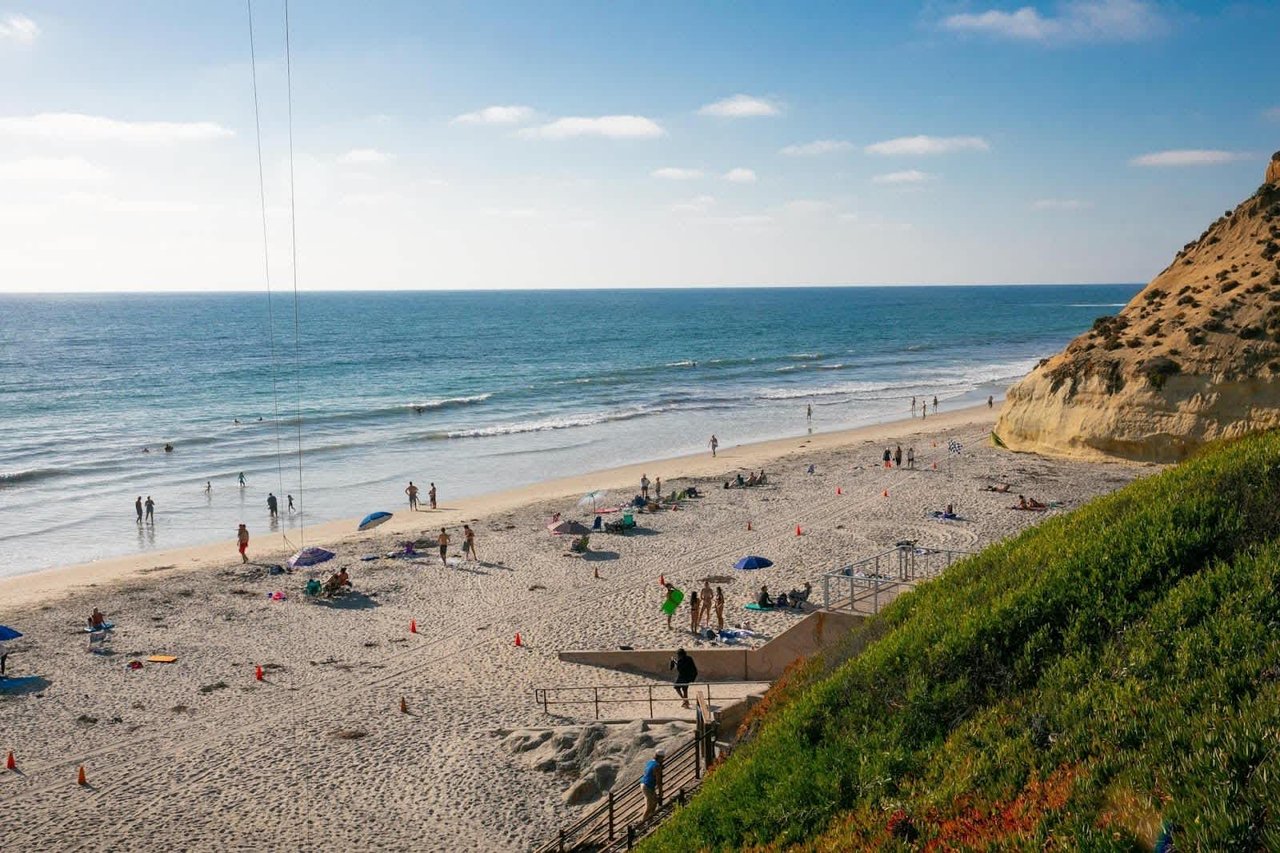
You'll find distinct coastal neighborhoods: Beach Colony sits directly on the sand with private-feeling walkways and quick access to Del Mar City Beach. Head south a bit to Torrey Pines State Beach for long stretches of sand and consistent surf breaks popular with swimmers and bodyboarders.
The bluffs at Powerhouse Park and Grand Avenue offer panoramic views and sunset vantage points without climbing down to the sand. From Powerhouse Park to Seagrove Park and Dog Beach, Del Mar's coastline ranks among the most scenic and easy-to-reach in Southern California. If you want quieter stretches, Torrey Pines State Reserve north of Del Mar provides coastal trails and scenic overlooks away from the village crowds.
Practical notes: parking is limited near the beach in summer, so plan for paid lots or street parking. Dogs are allowed on some beaches seasonally; check local signs for current rules.
Del Mar Village concentrates most restaurants, cafes, and boutique shops along Camino Del Mar and 15th Street, so you can walk from lunch to sunset cocktails without driving. You'll find seafood-focused fine dining with ocean views, casual cafés for breakfast, and several wine bars tucked into side streets.
The Del Mar Racetrack and the San Diego County Fair (held at the nearby fairgrounds) are major seasonal draws. They bring nightlife options, pop-up food vendors, and live entertainment during their runs. The racetrack season in particular gives the whole city a lift each summer, drawing visitors and energizing village businesses. For nightlife later in the evening, many locals head to rooftop lounges or small live-music venues in and around the village.
Reservations are recommended on weekends and during racetrack or fair dates, and valet or limited paid parking is common near upscale restaurants.
You can access hiking at Torrey Pines State Natural Reserve immediately north of Del Mar, with trails that highlight native Torrey pines and coastal sandstone formations. For water activities, surf lessons, stand-up paddleboarding, and kayaking rentals operate from the main beaches in town.
Cycling and walking paths run along Coast Boulevard and through Del Mar Heights, giving safe routes for short rides and family outings. Golfers have nearby options, including public courses in neighboring communities.
Seasonal events like farmers markets and community yoga on the beach provide low-cost ways to engage outdoors. Bring layers; coastal evenings cool quickly even after warm afternoons.
Del Mar's location is a quiet selling point: it's conveniently positioned for commuting to San Diego and for exploring nearby coastal communities like Solana Beach and Encinitas. The Village is genuinely pedestrian-friendly, though it's worth setting expectations honestly—Del Mar is walkable in The Village, but most residents drive to the beach and for daily errands. Just east of the coast, the I-5 corridor connects you quickly to the wider region, including the UTC/UCSD employment hub and North County.