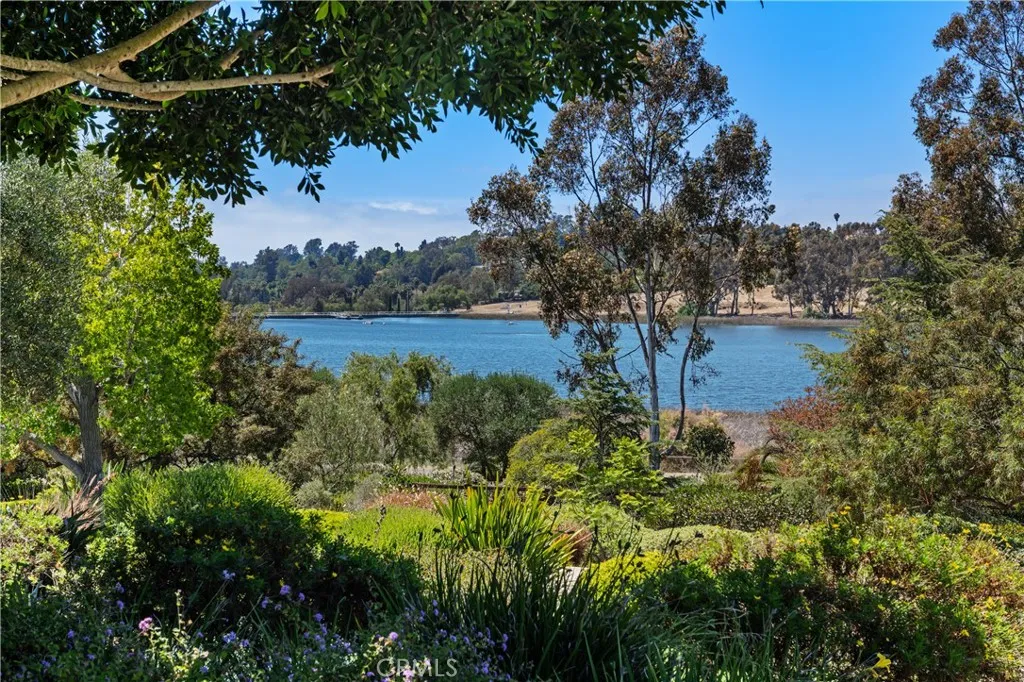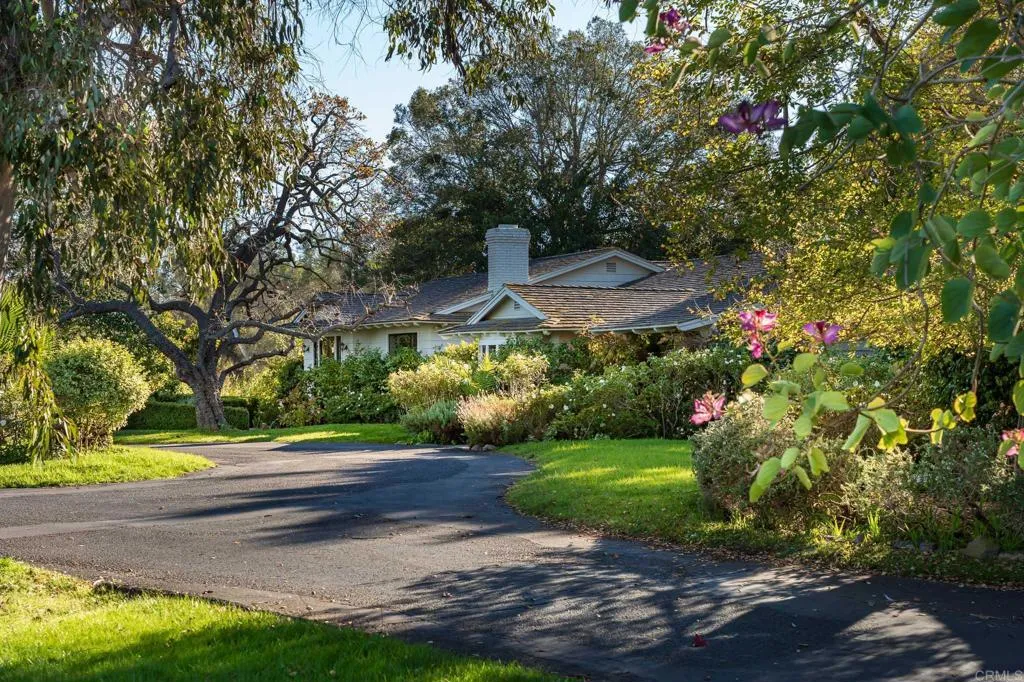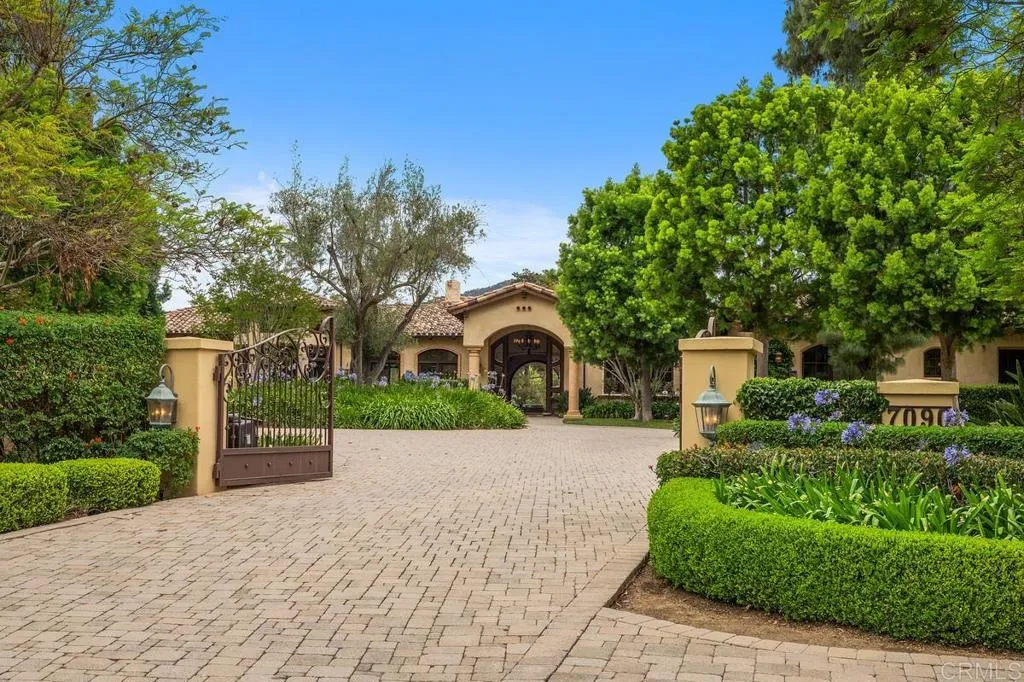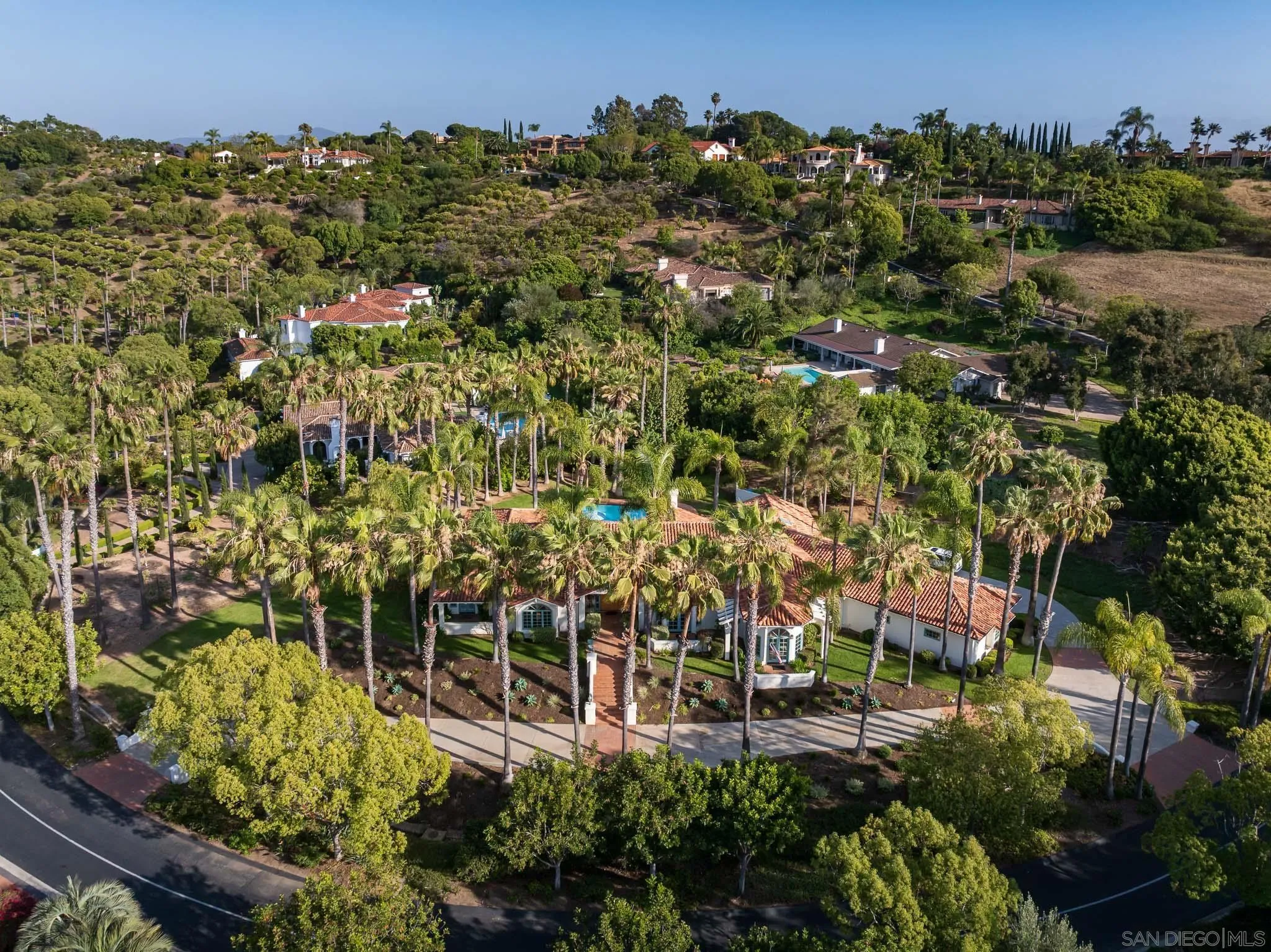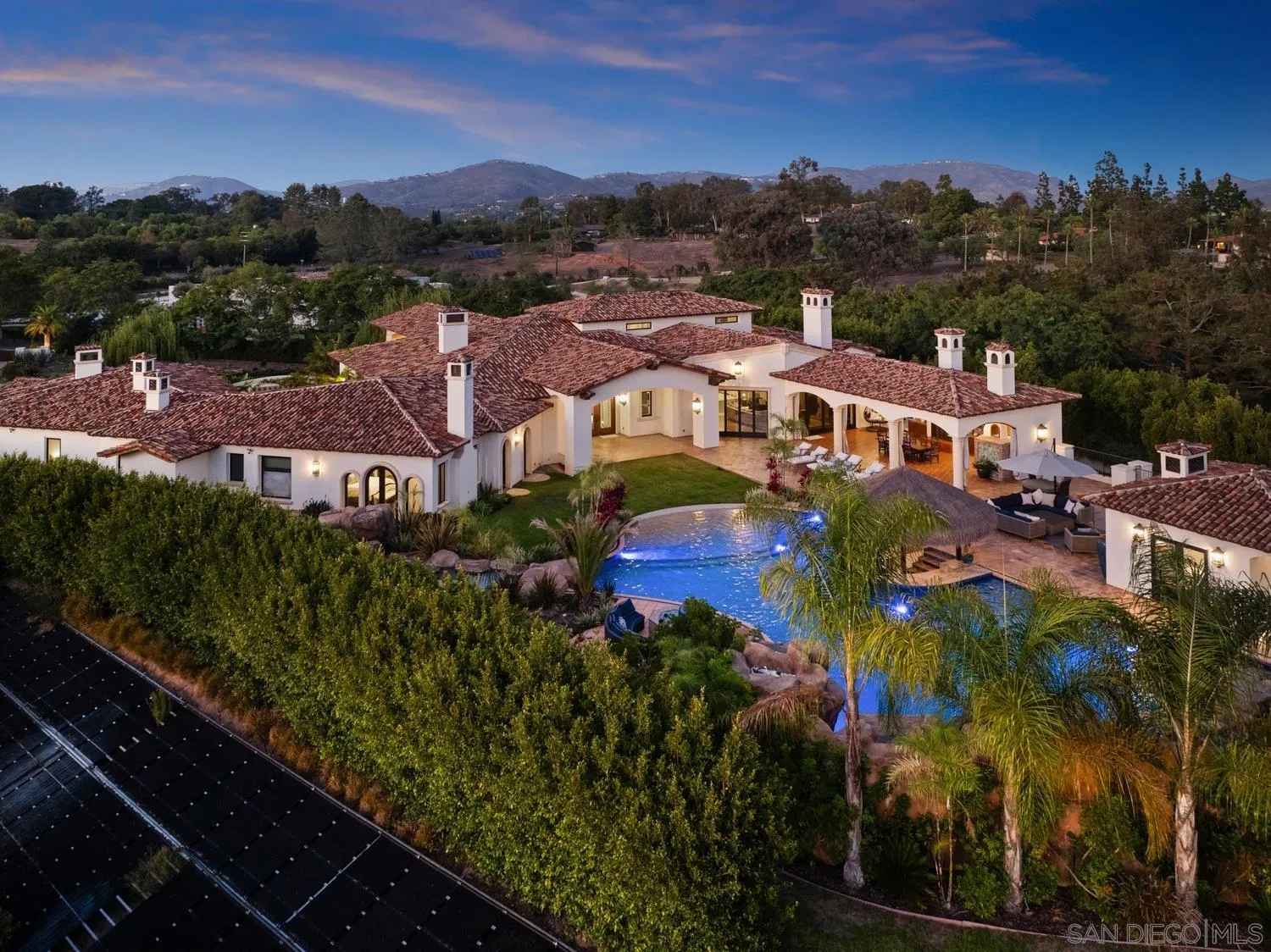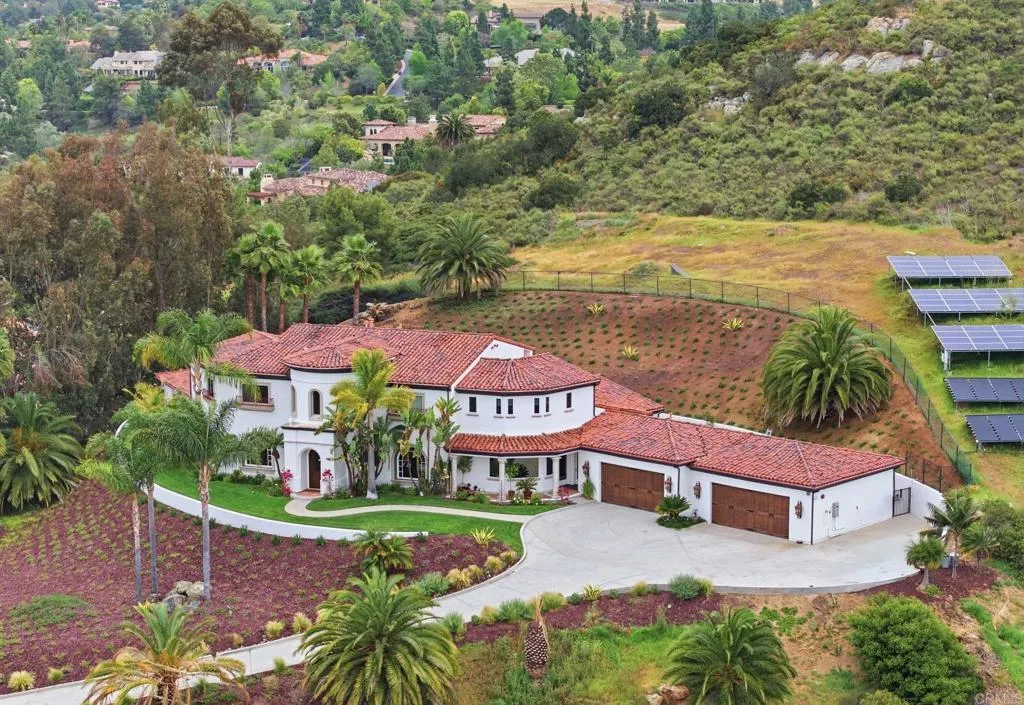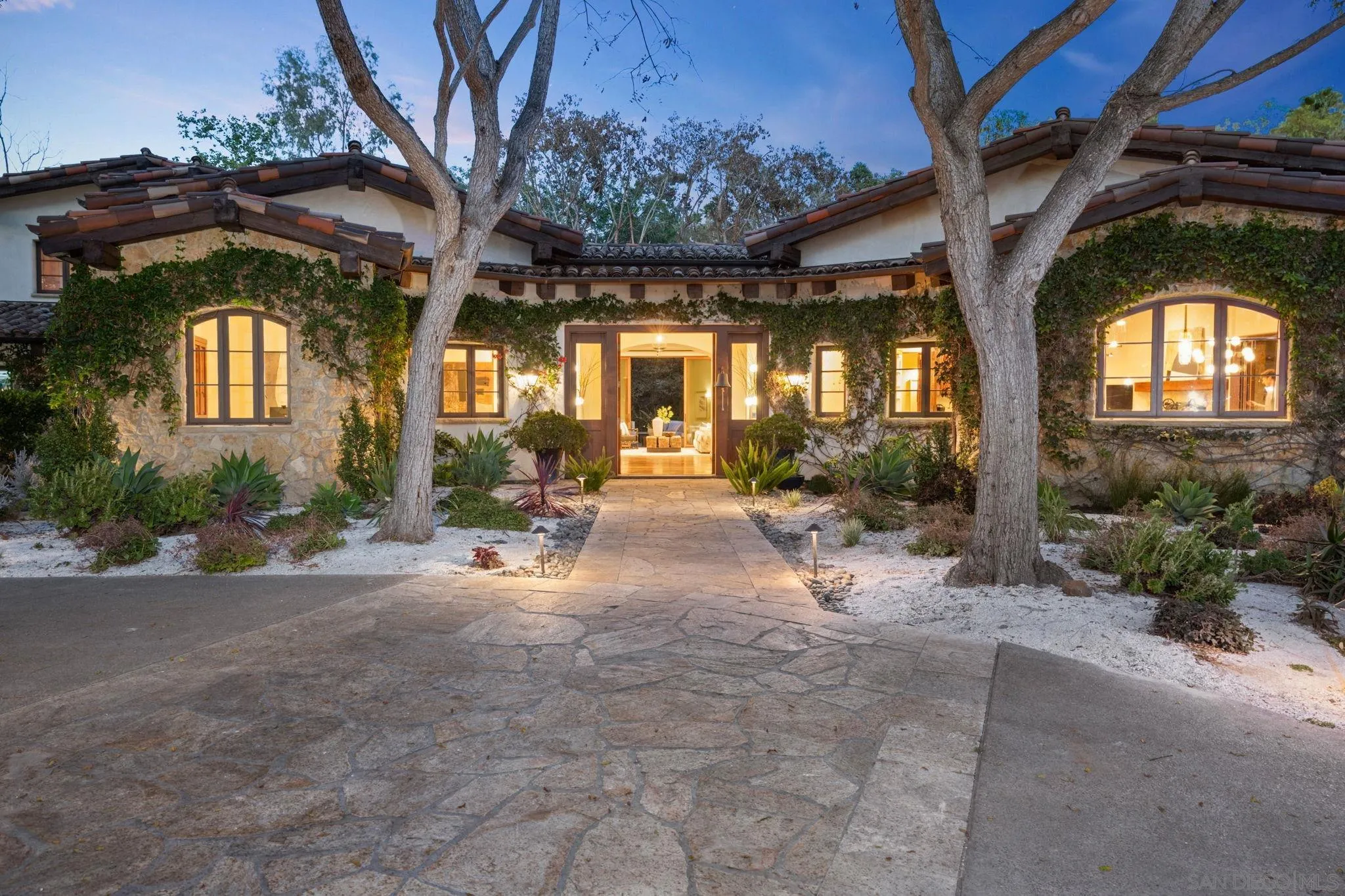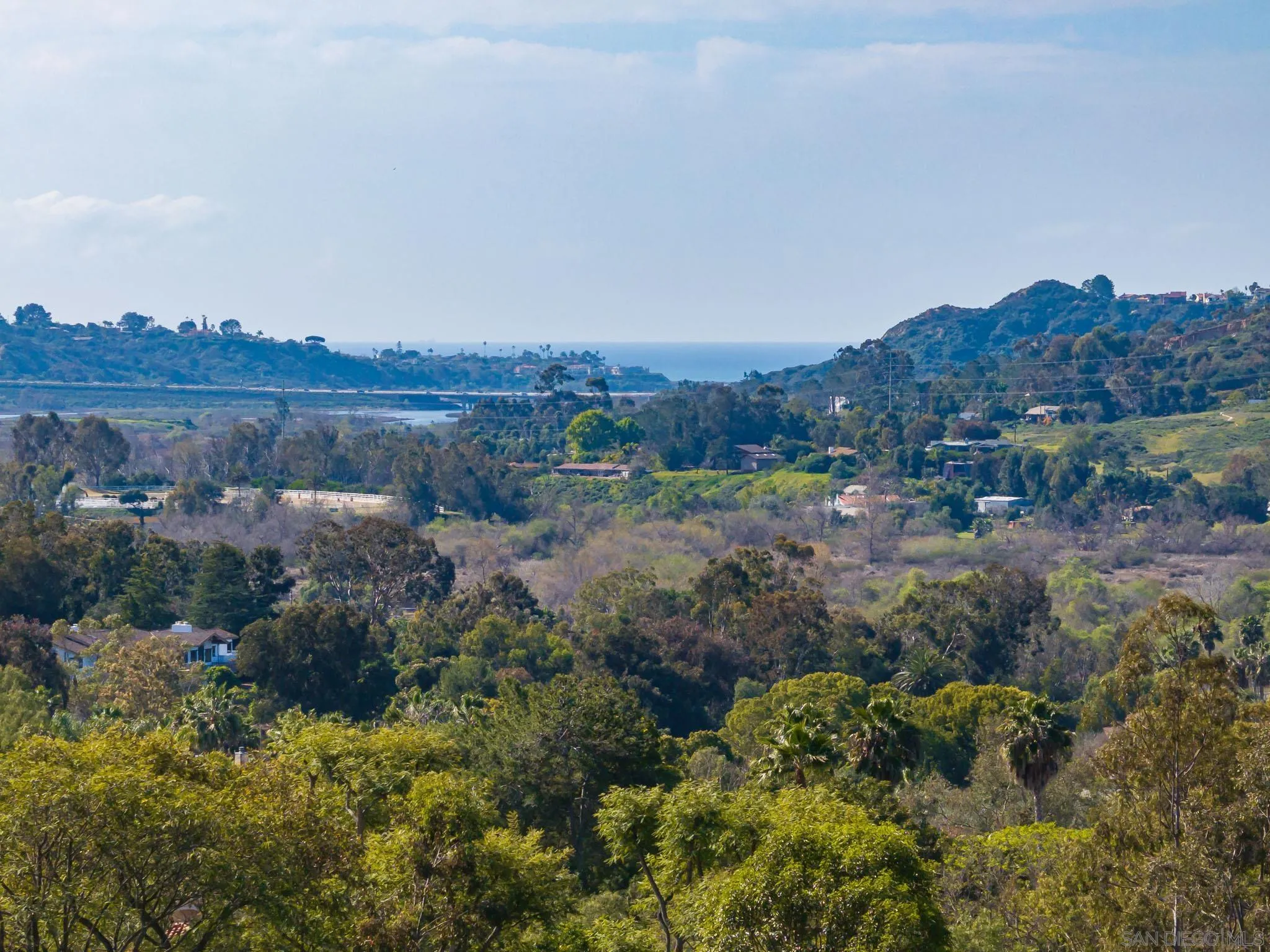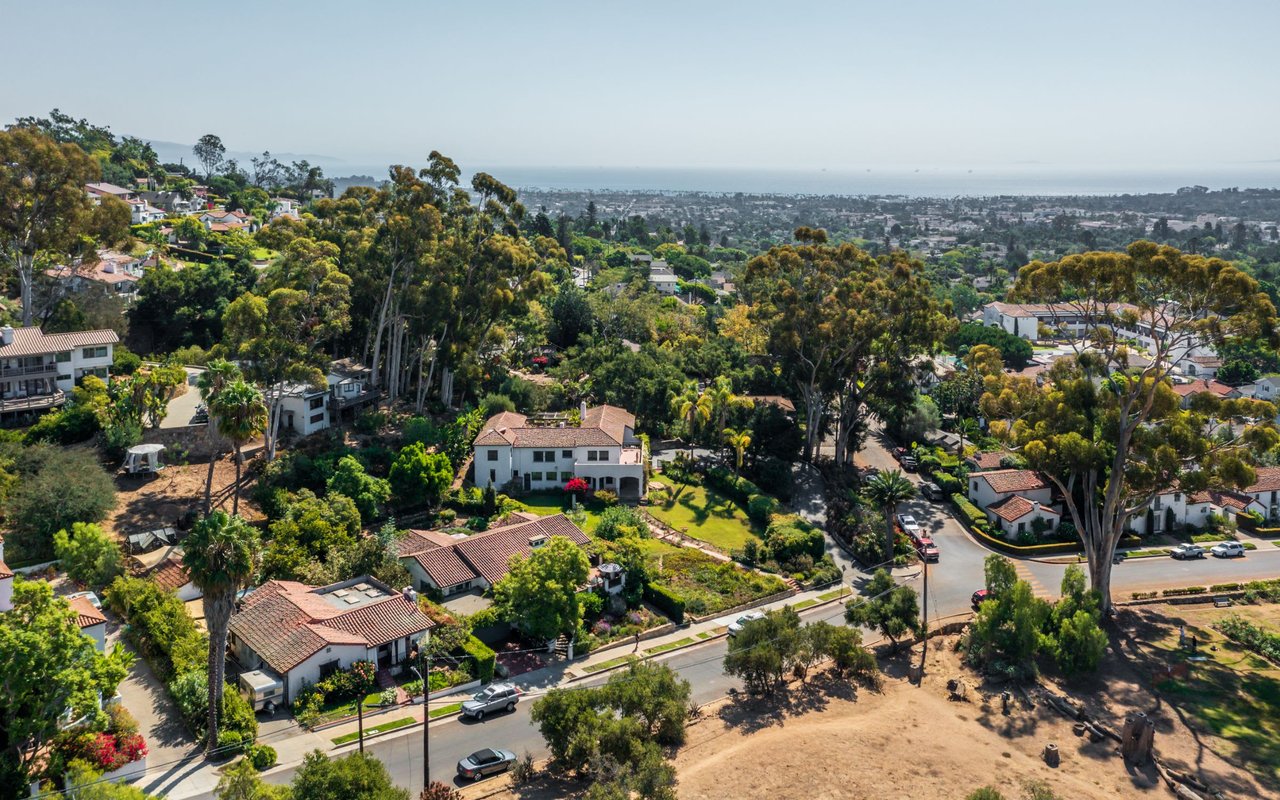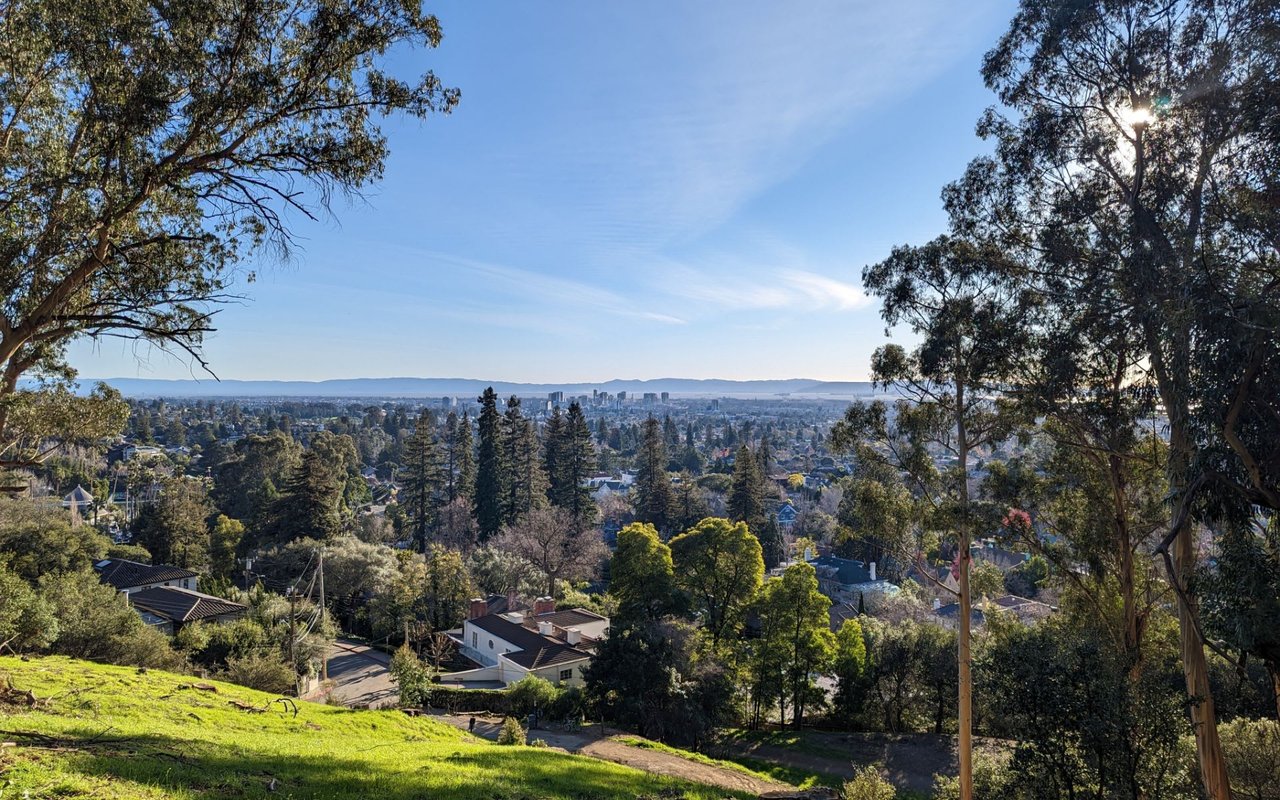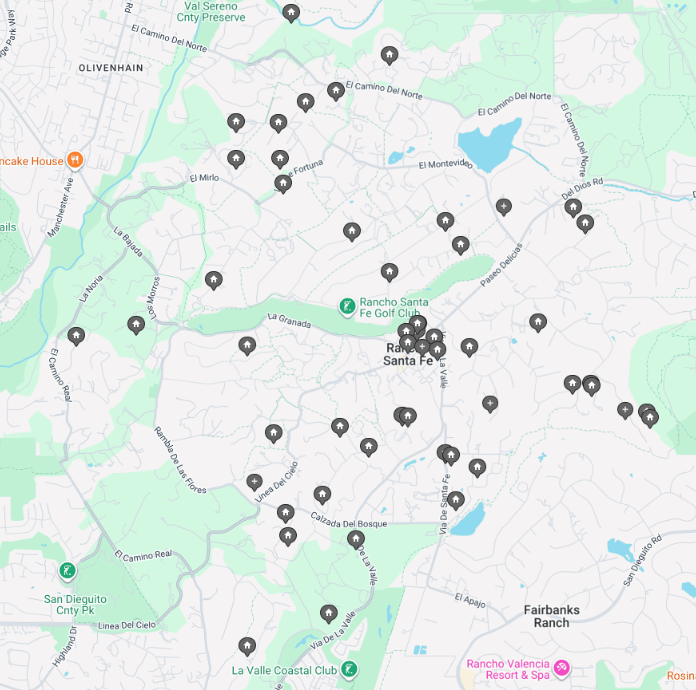
Something shifts the moment you leave the main roads behind. Pavement narrows into curves that seem to appear out of nowhere, streetlights and sidewalks simply stop existing, and a heavy eucalyptus canopy takes over the view in every direction. Foot off the gas becomes involuntary — the whole layout was engineered specifically to produce that reaction. This is The Covenant: not a neighborhood inside Rancho Santa Fe, but the actual origin point everything else in the area grew outward from, established in 1928 as one of California's first planned communities and still governed today by the same underlying agreement — a covenant, literally — that gave it its name.
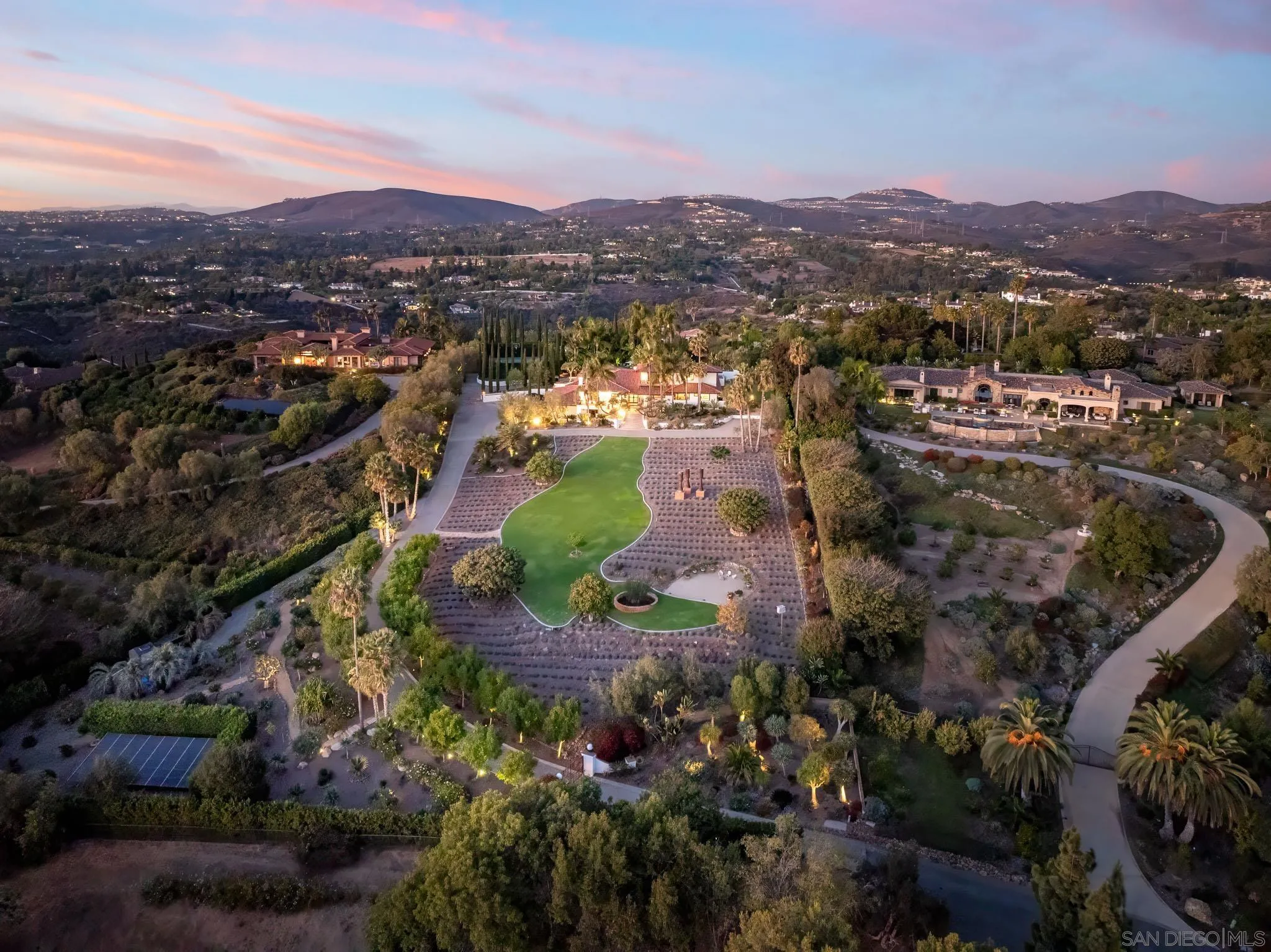
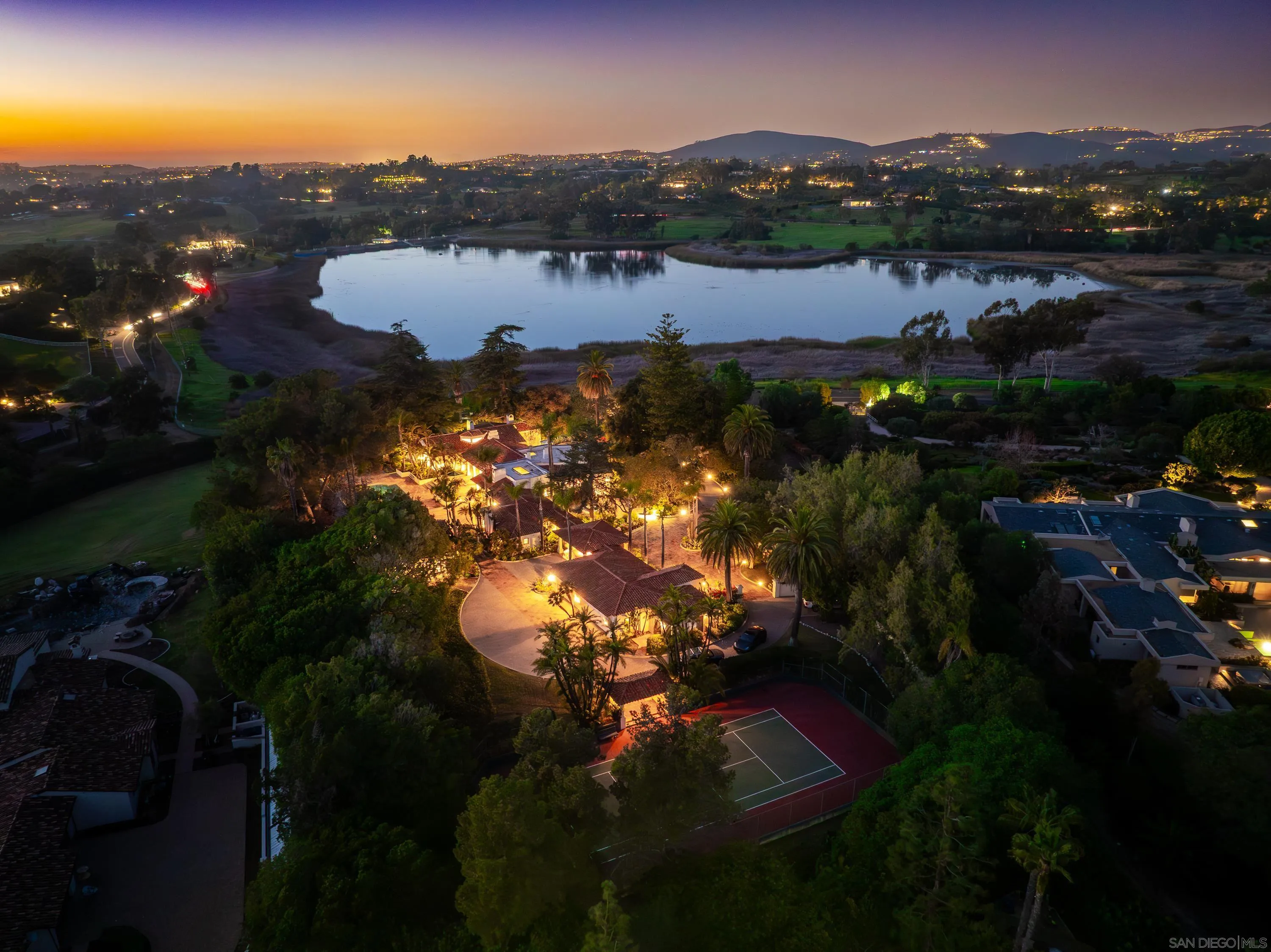
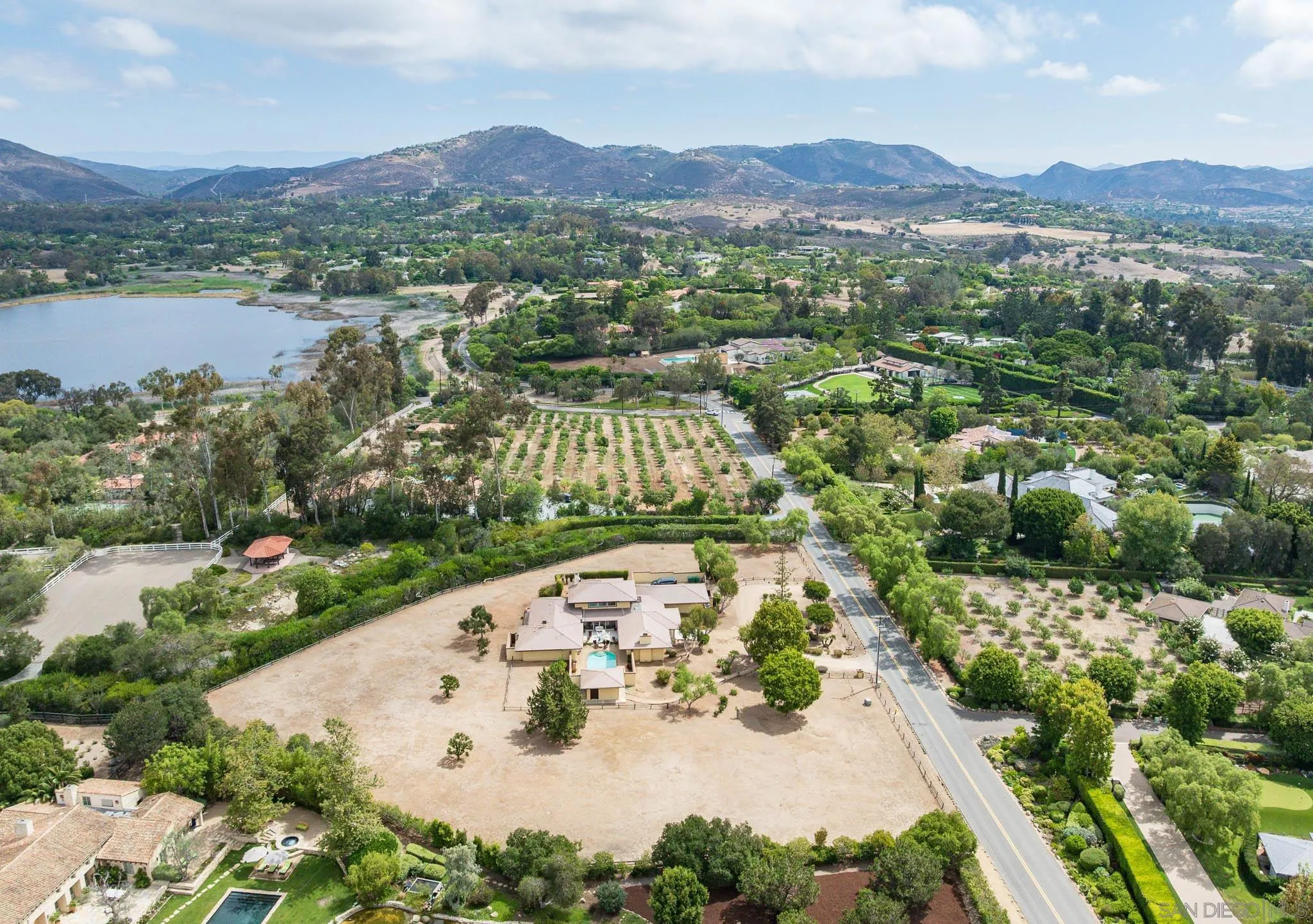
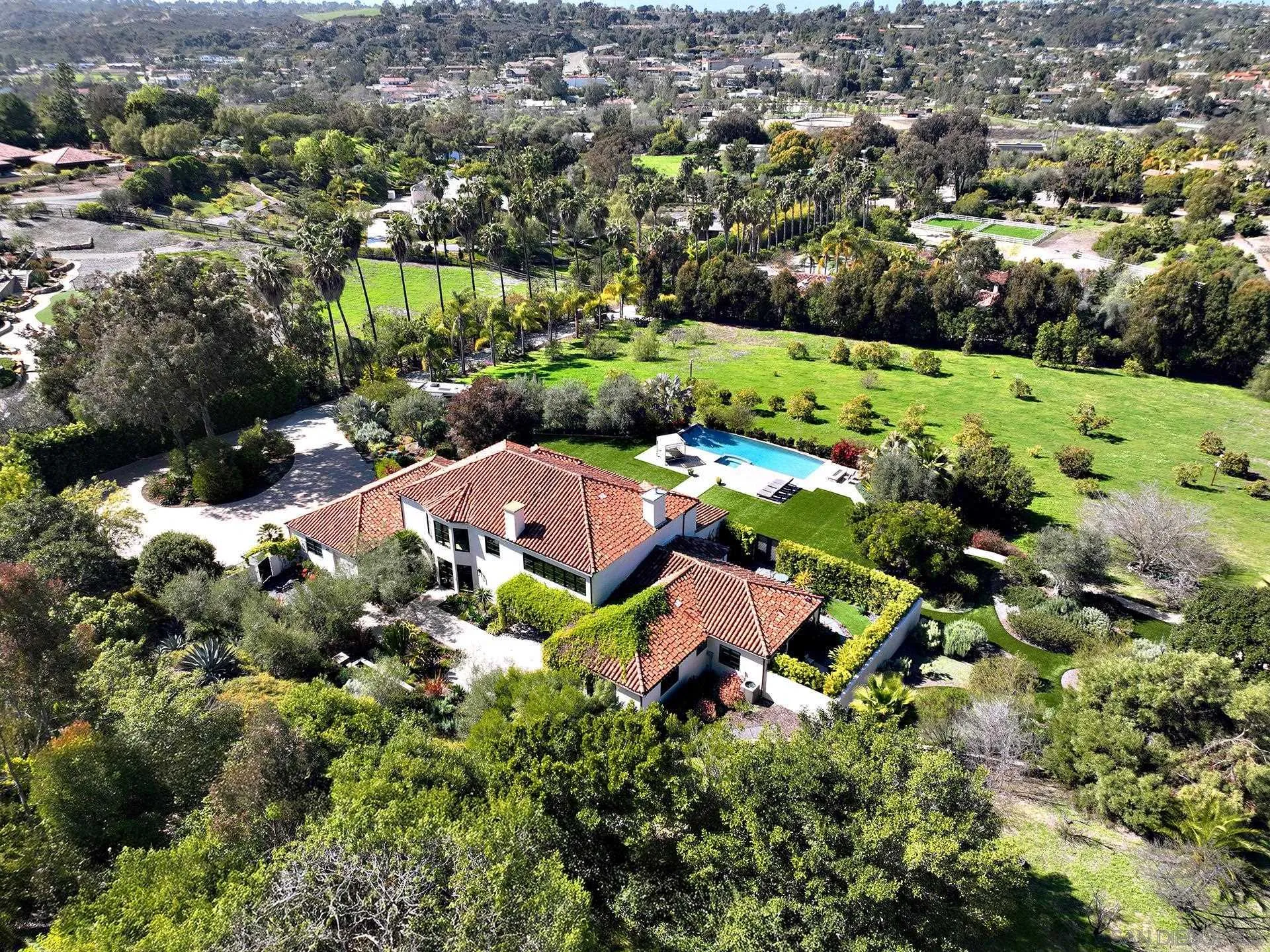
What makes The Covenant different from virtually every other community covered on this site isn't a gate or a guard booth — there isn't one. What actually holds it together is a document: an understanding among owners, close to a century old now, that commits everyone to keeping the hillsides intact, holding construction to a consistent standard, and generally resisting whatever would make this place look like anywhere else. Roughly 2,000 homes sit spread across about 6,200 acres, most on lots close to two acres though some estates run to 40 or more, and daily texture here reflects the scale: horses on the road are a normal sight, mail goes to the Village post office rather than a home mailbox, and virtually nothing gets built or changed on the exterior of a home without first clearing the Art Jury — a real, functioning design-review body that's shaped this place for generations.
The land underneath these hills has passed through some genuinely strange chapters. Mexican Governor Pío Pico granted the original territory — roughly 8,800 acres known then as Rancho San Dieguito — to Juan María Osuna, who went on to become San Diego's first mayor, back in 1840. Ownership shifted again in 1906, when the Atchison, Topeka and Santa Fe Railway acquired the property for a purpose that sounds almost invented in hindsight: cultivating eucalyptus specifically to manufacture railroad ties. Planting proceeded on a massive scale, well into the hundreds of thousands of saplings, before engineers realized eucalyptus timber tends to crack apart the moment a spike gets driven through it — a fatal flaw for a railroad tie, and one that ended the whole venture almost overnight. Nobody bothered removing the trees, though, and the mature groves visible across the community today trace directly back to that abandoned lumber scheme. The early 1920s brought a complete change in direction from the Santa Fe Land Improvement Company, which set out instead to create a refined agricultural retreat for buyers of means — "gentleman farmers" in the language of the era. Land planner L.G. Sinnard got the job of laying out roads that intentionally wound rather than ran straight, forcing a slower pace while opening up scenic sightlines along the way; a dam went in on the San Dieguito River to lock down a reliable water supply, and by 1921 the entire development had a new name: Rancho Santa Fe. California recognized the significance of all this in 1989, designating The Covenant a State Historical Landmark, and it remains the oldest continuously operating planned community in the state still running under its original governance model.
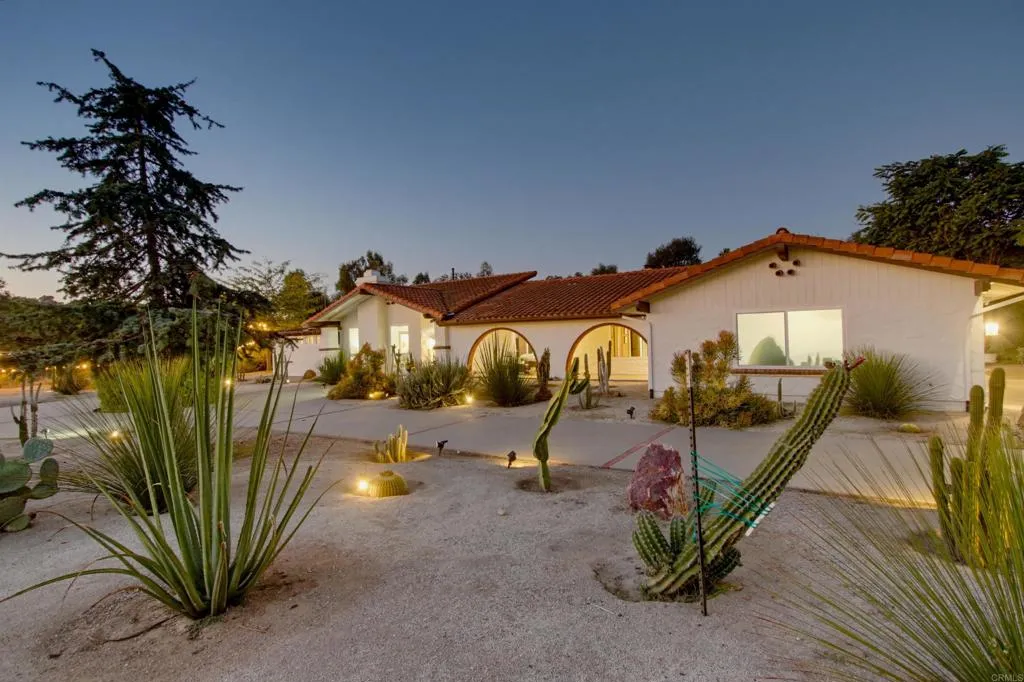
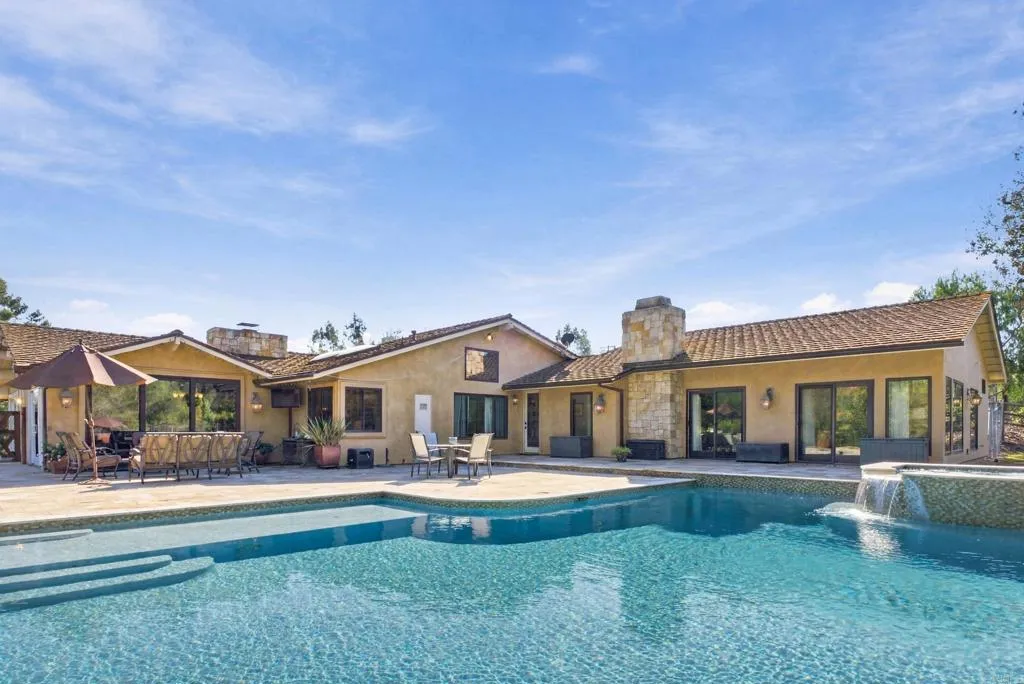
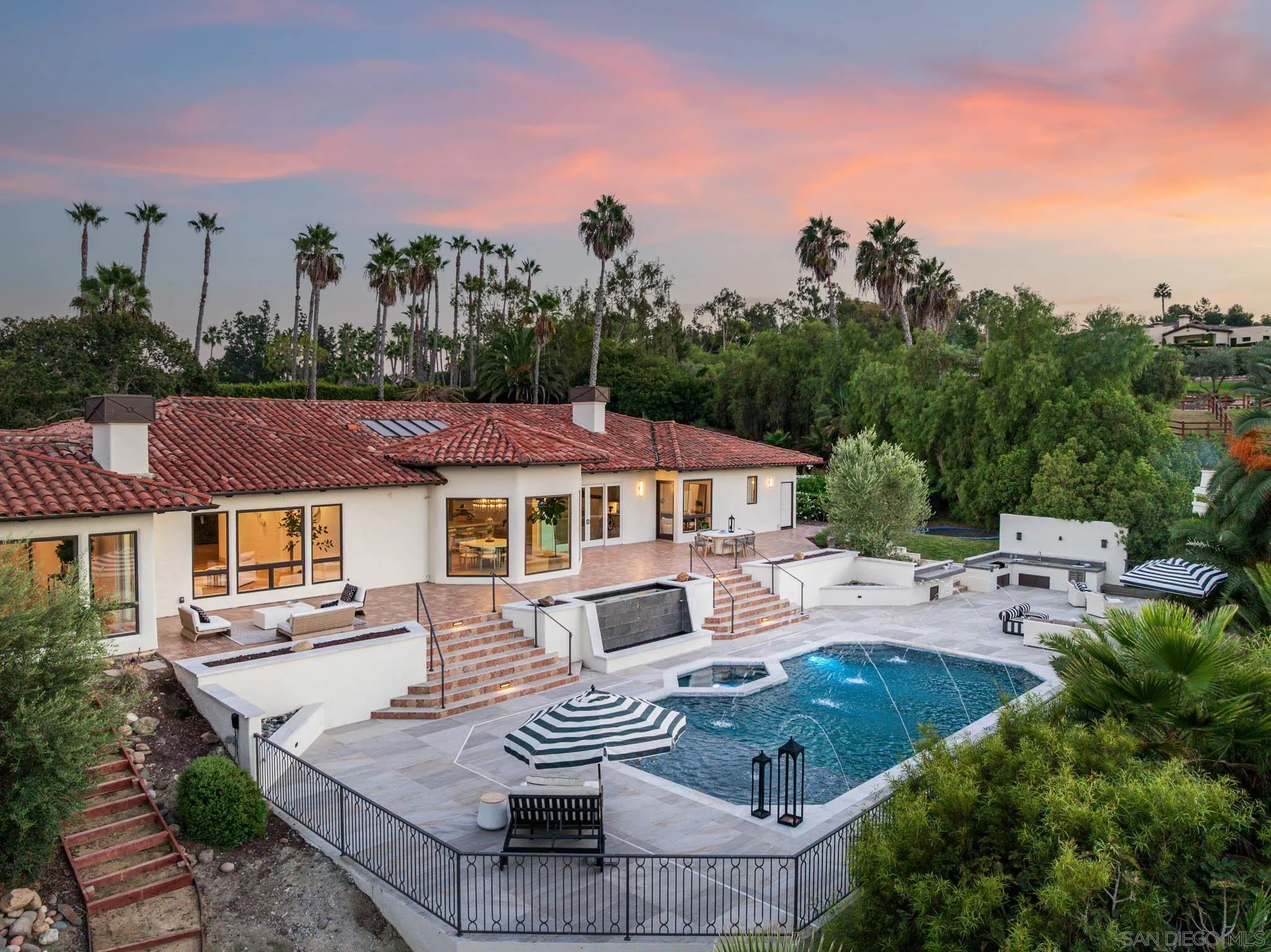
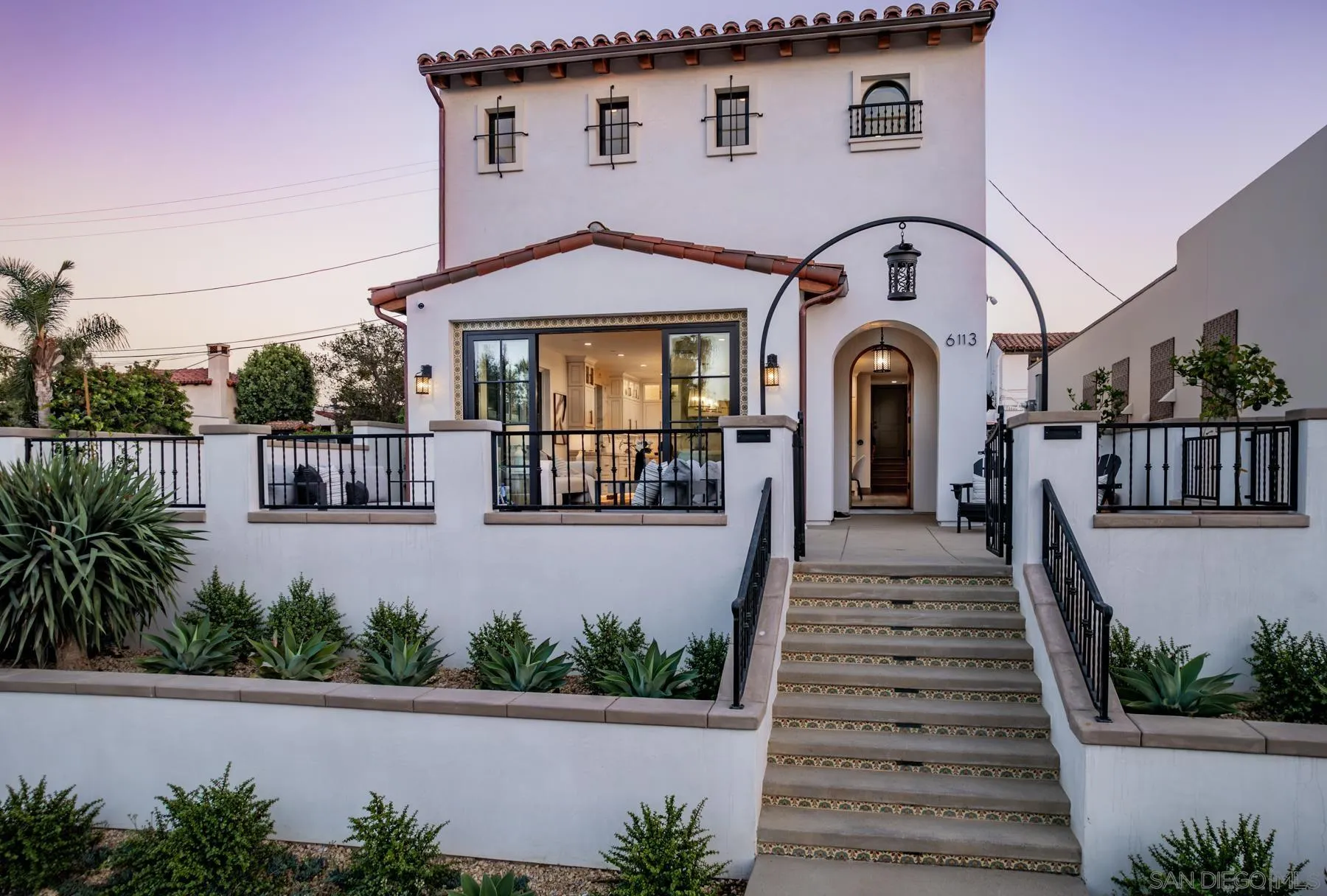
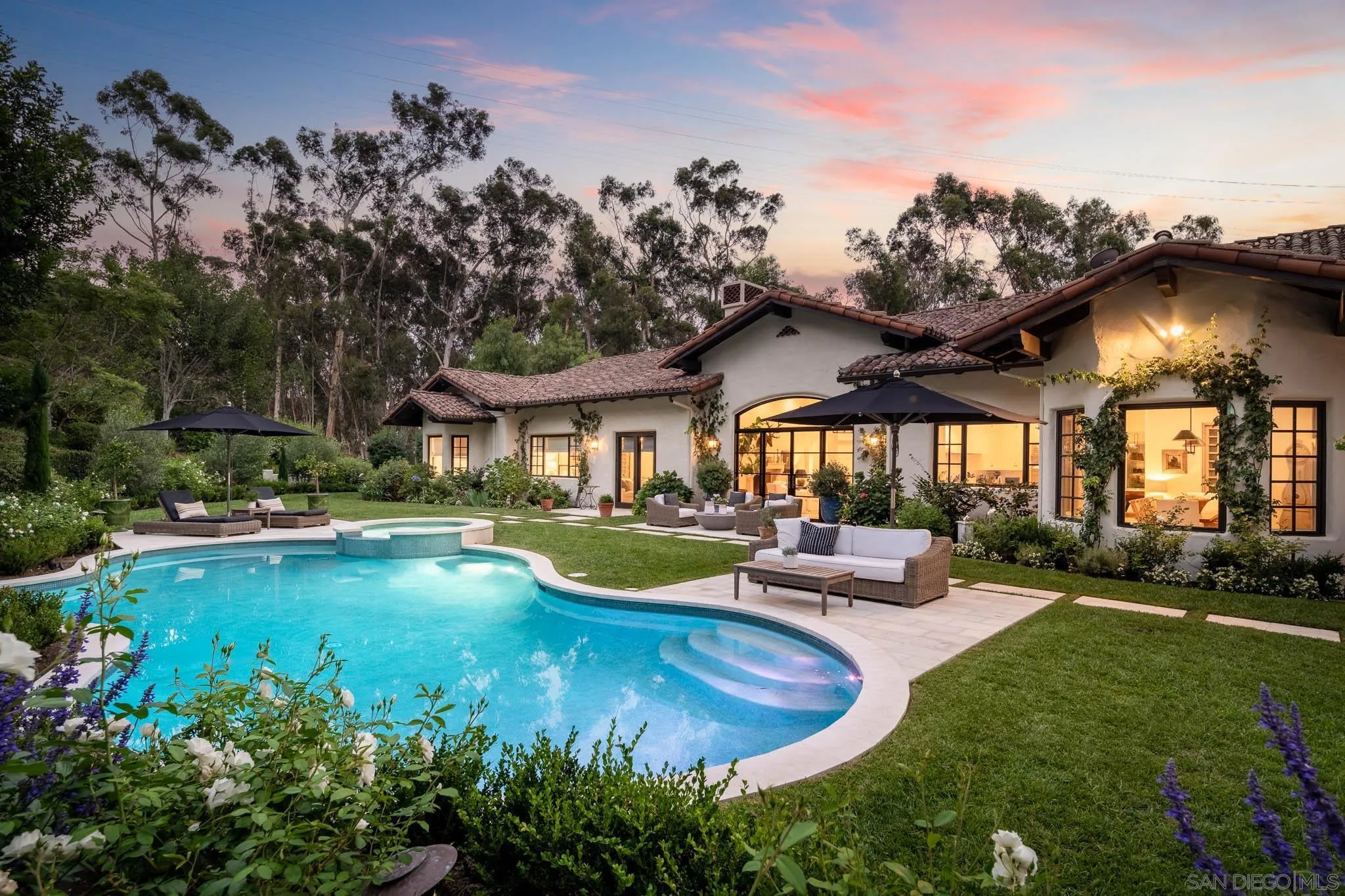
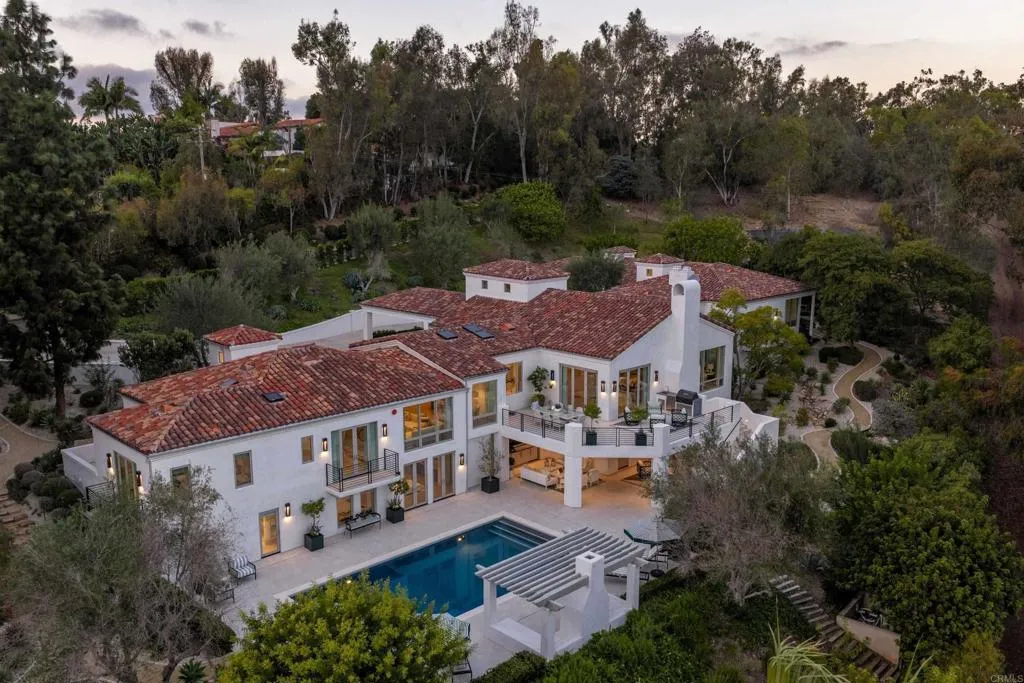
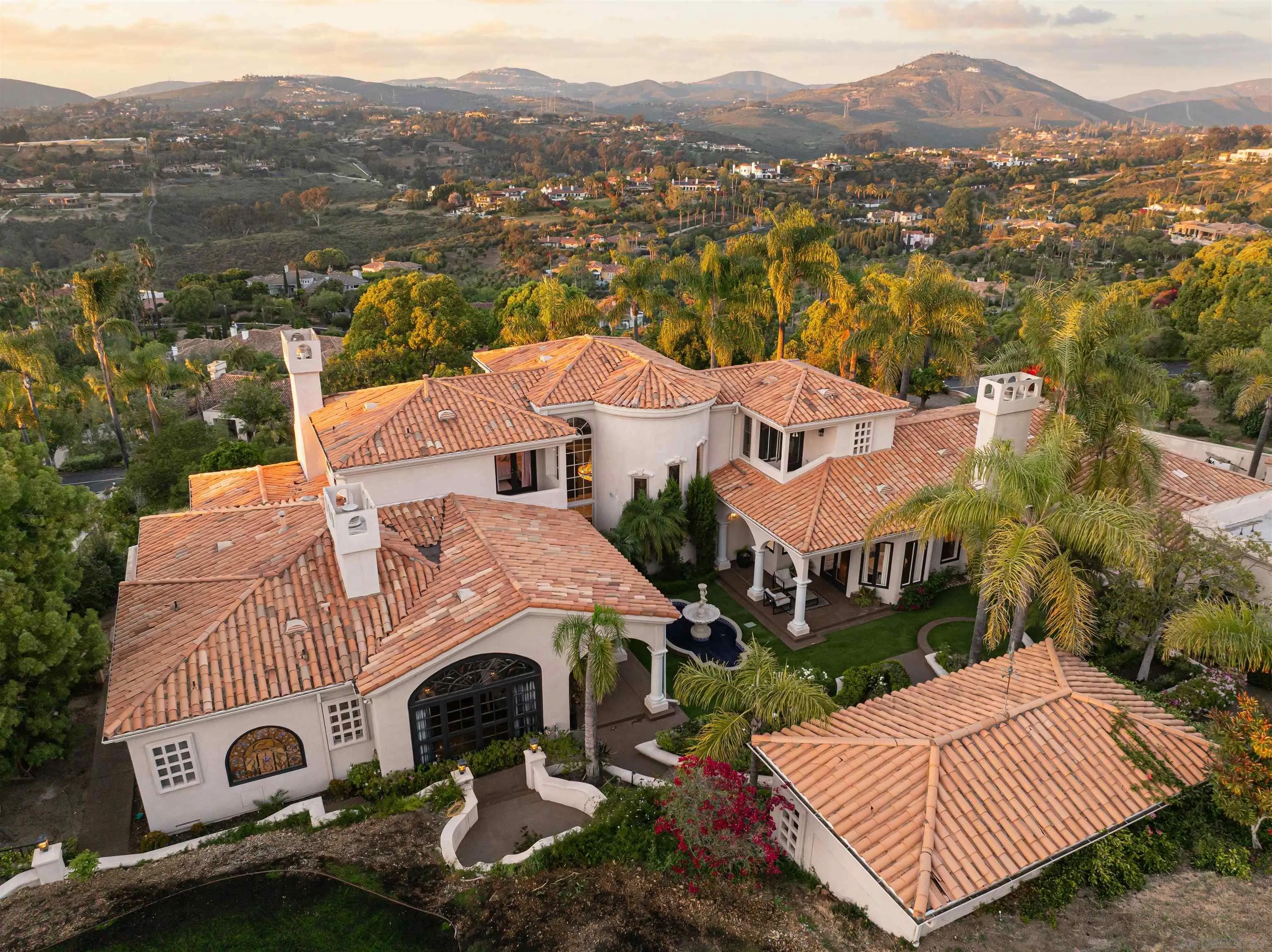
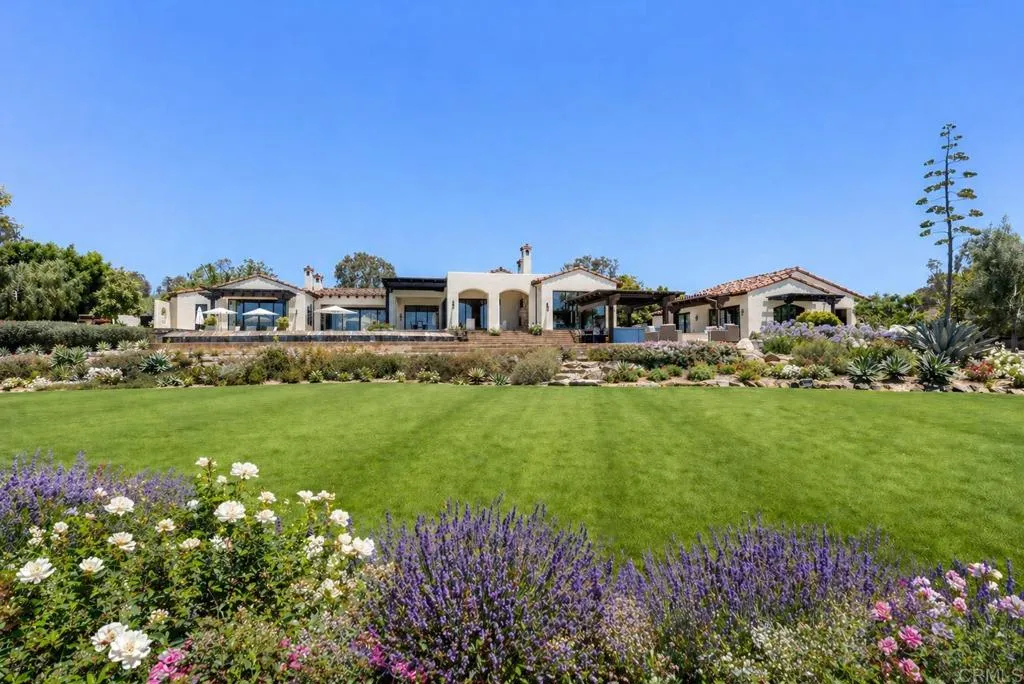
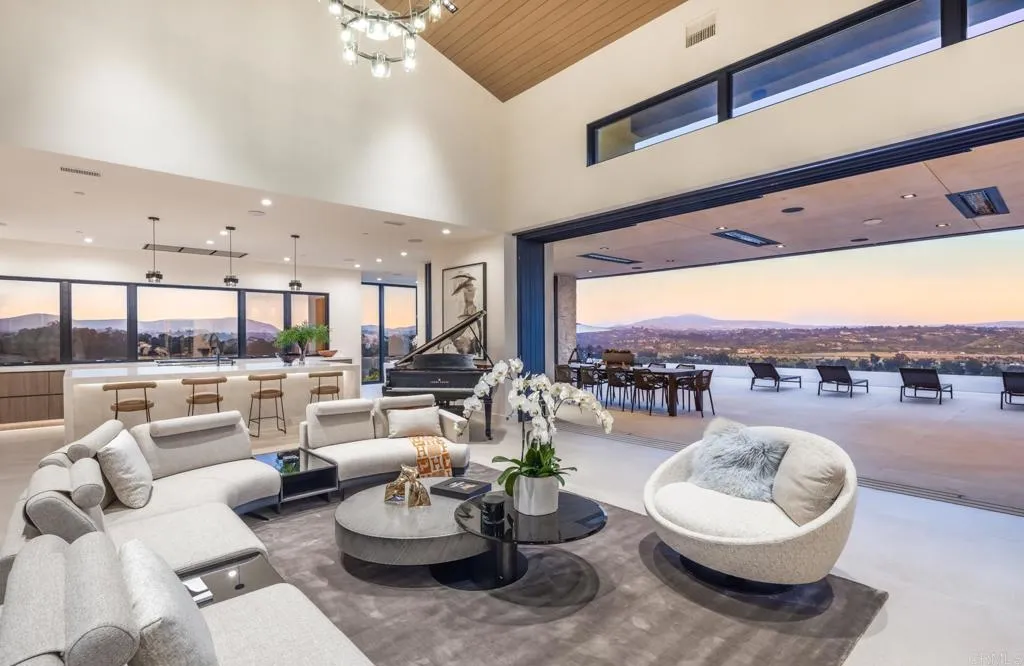
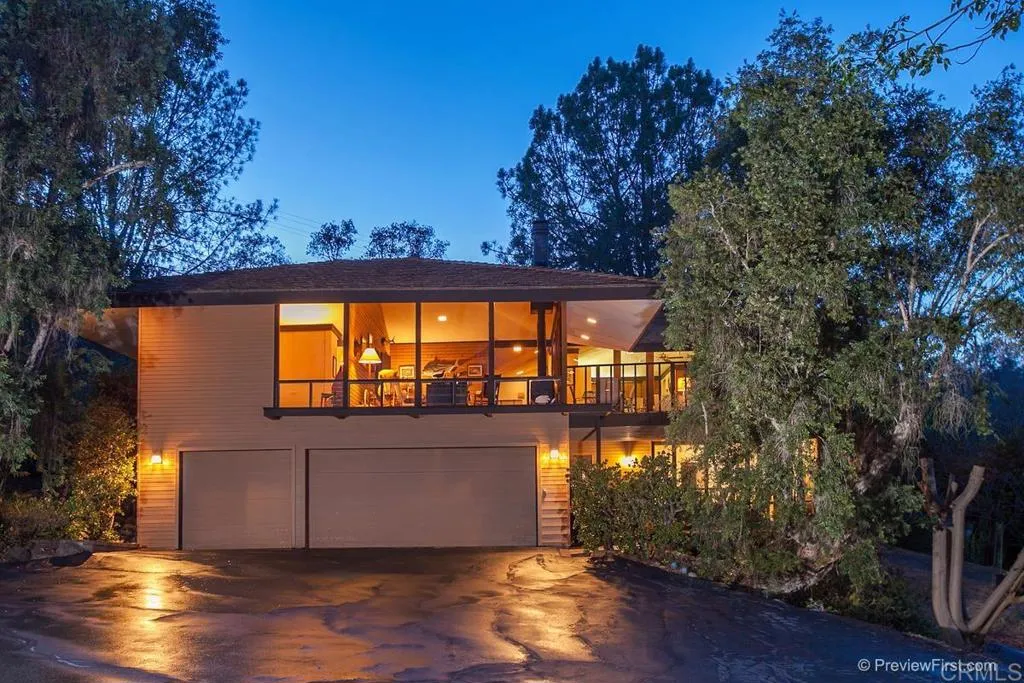
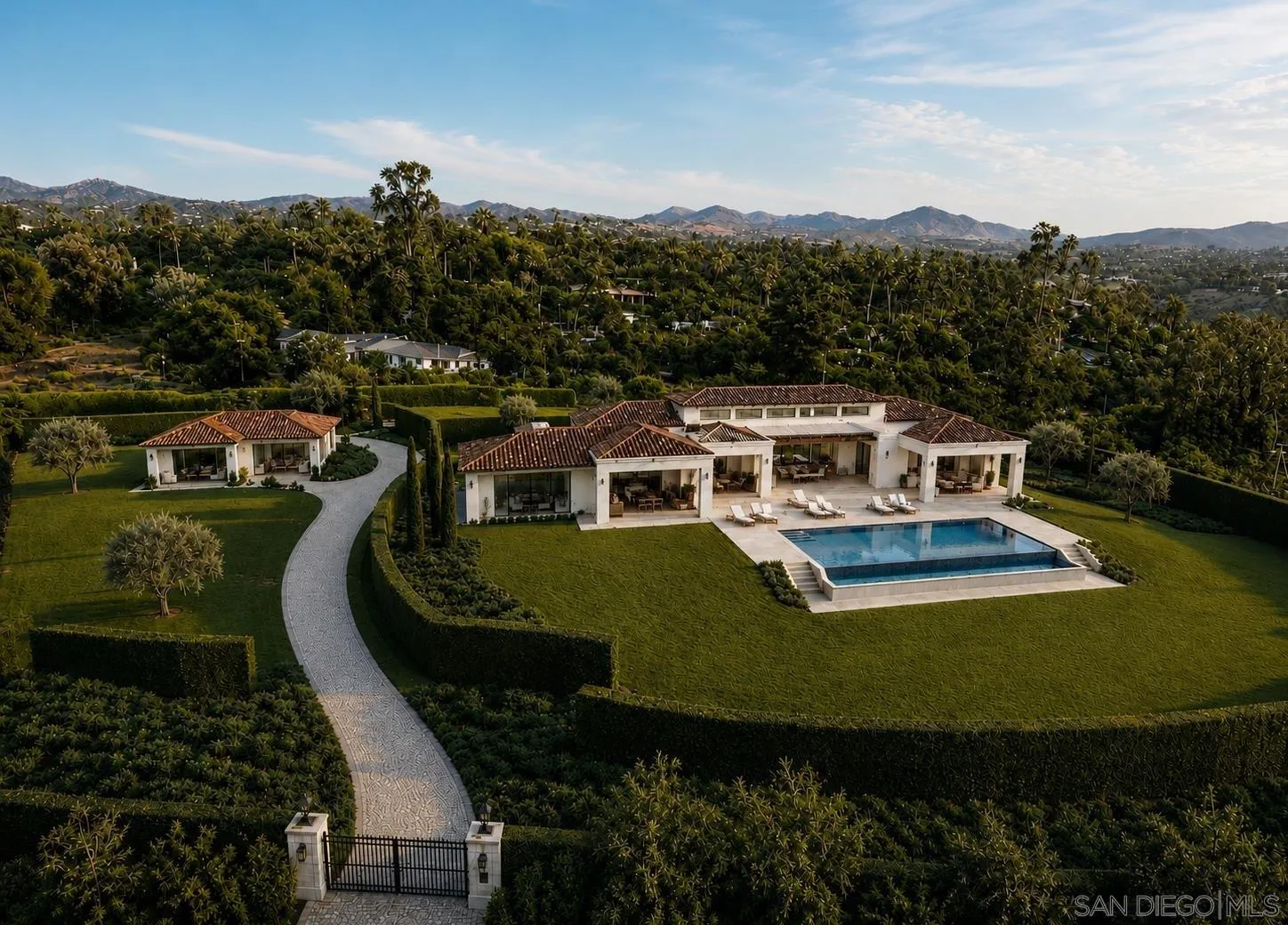
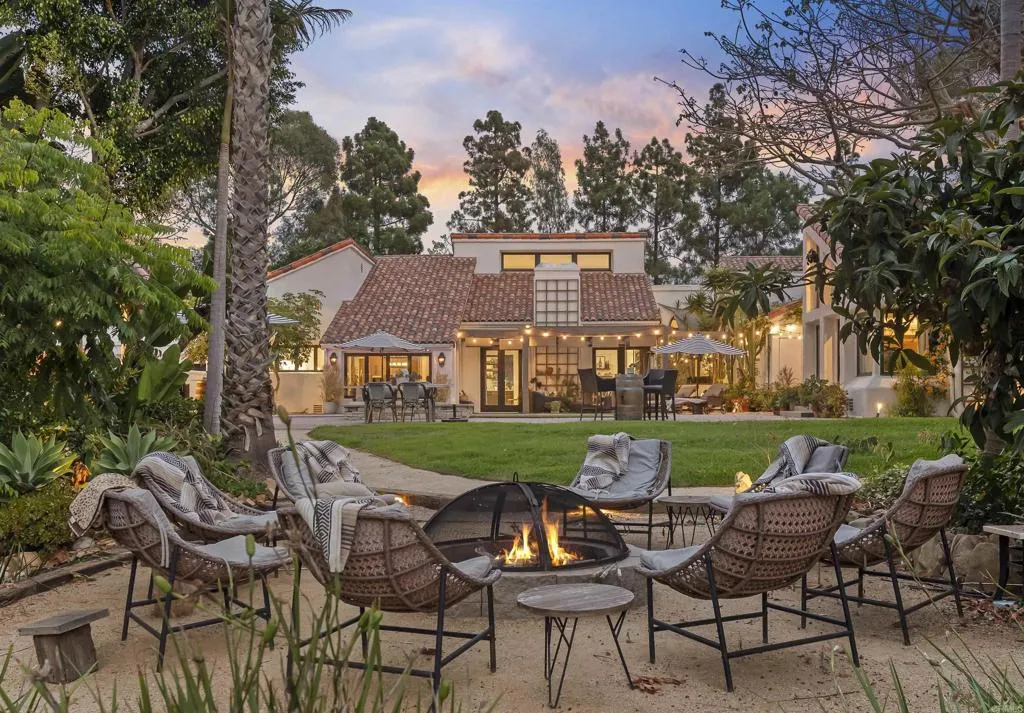
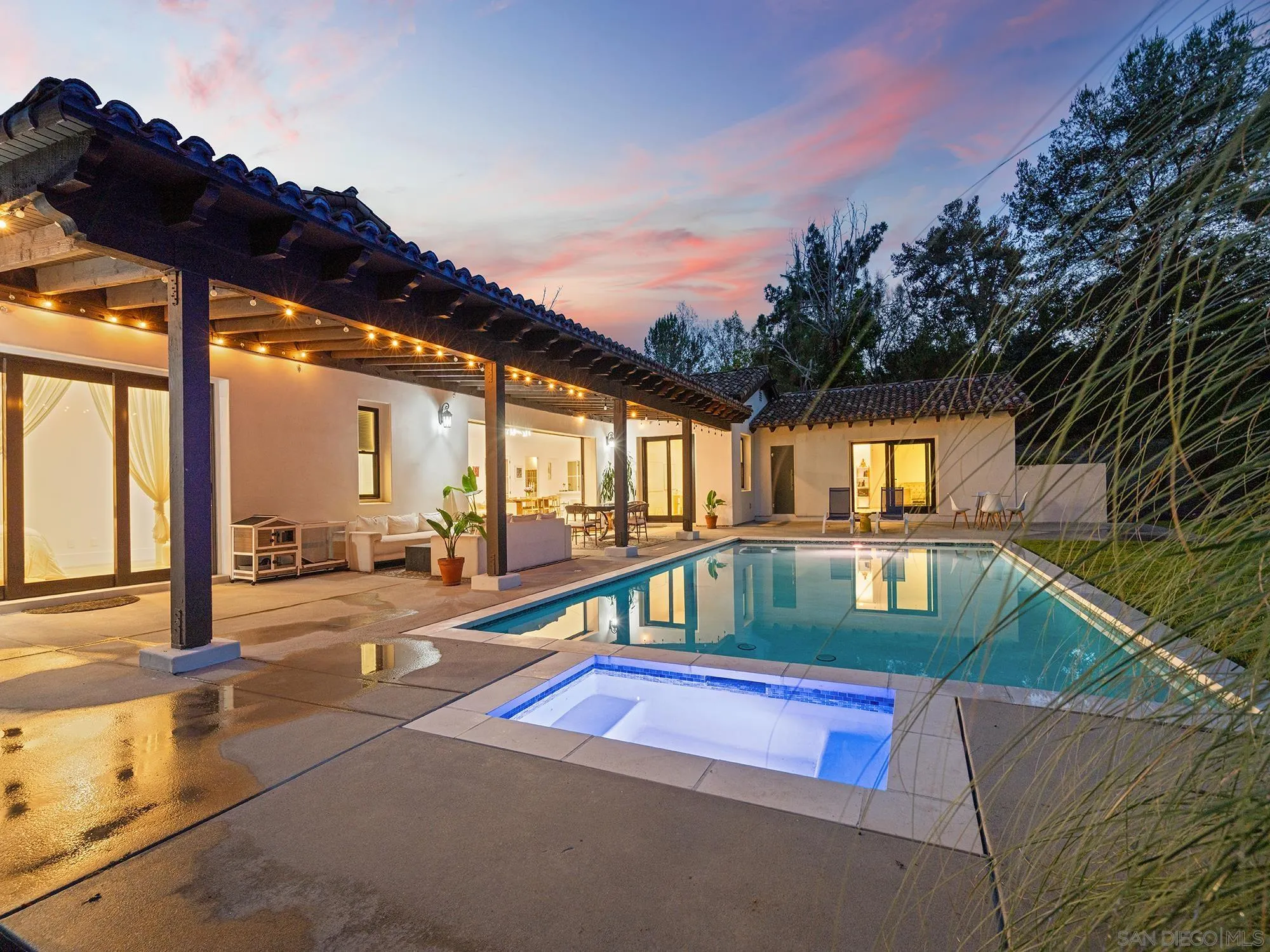
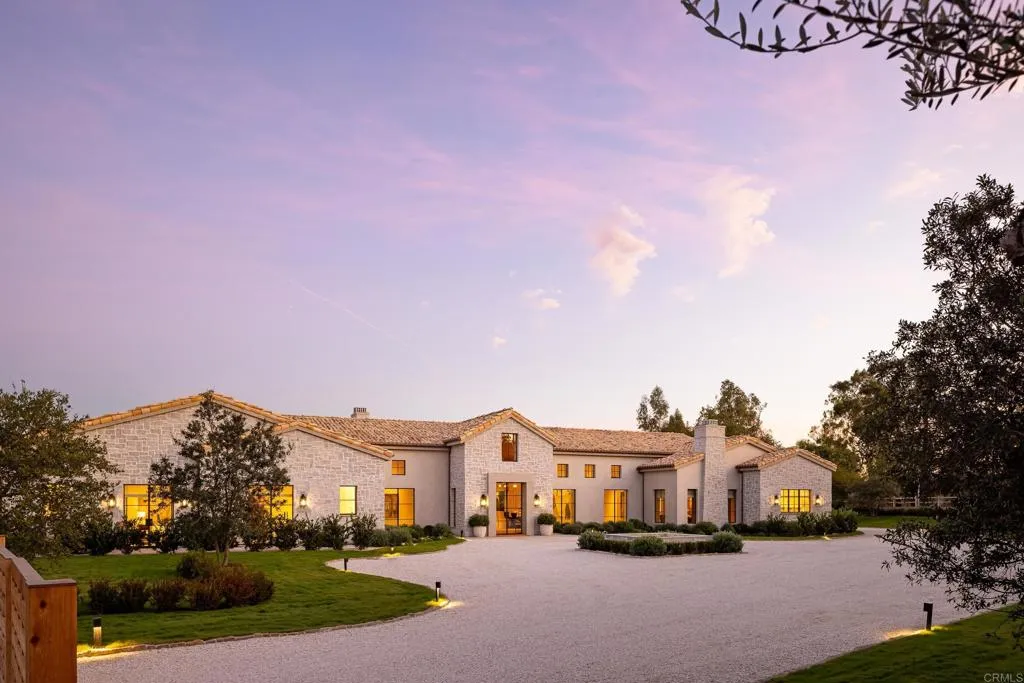
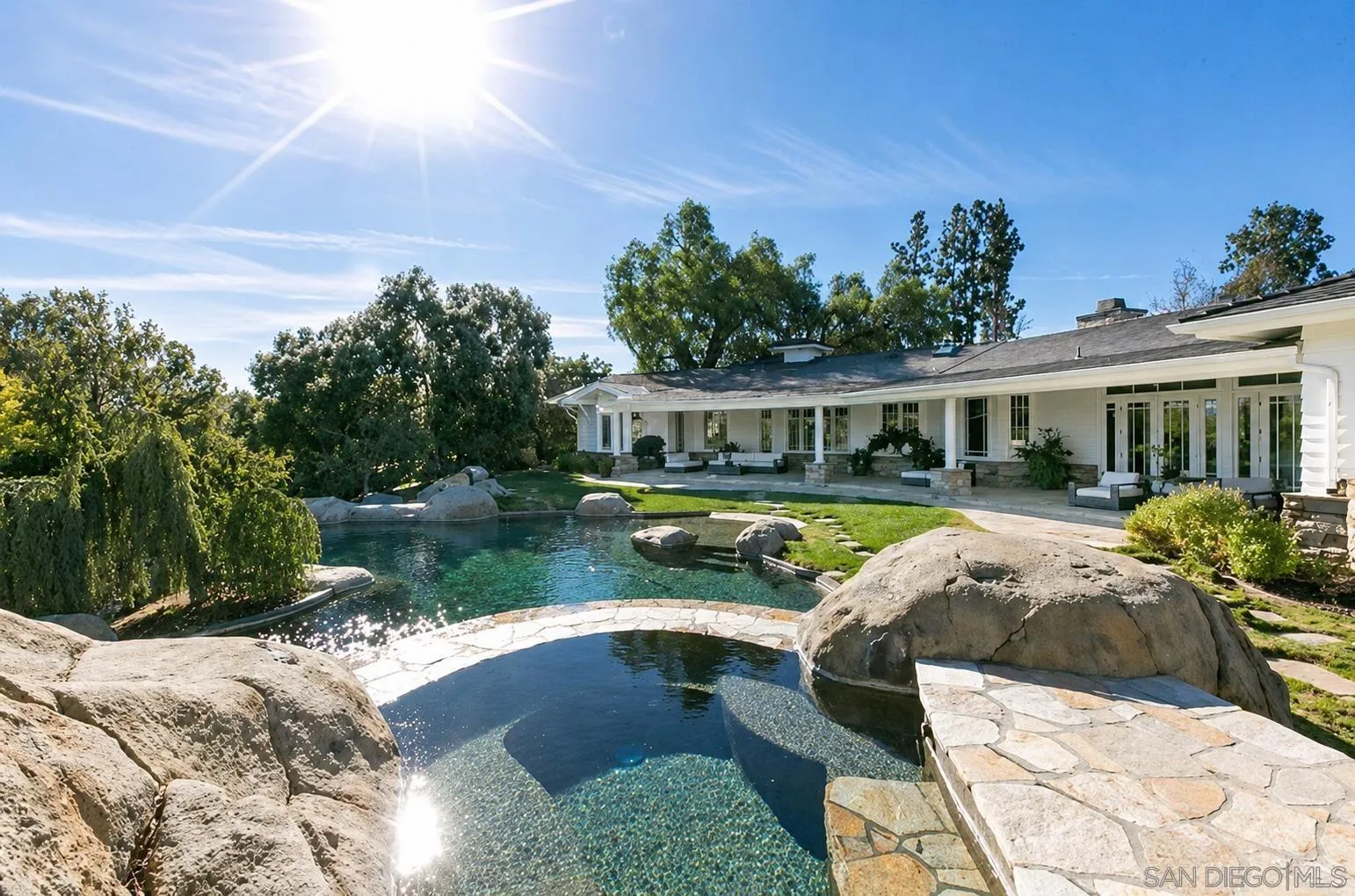
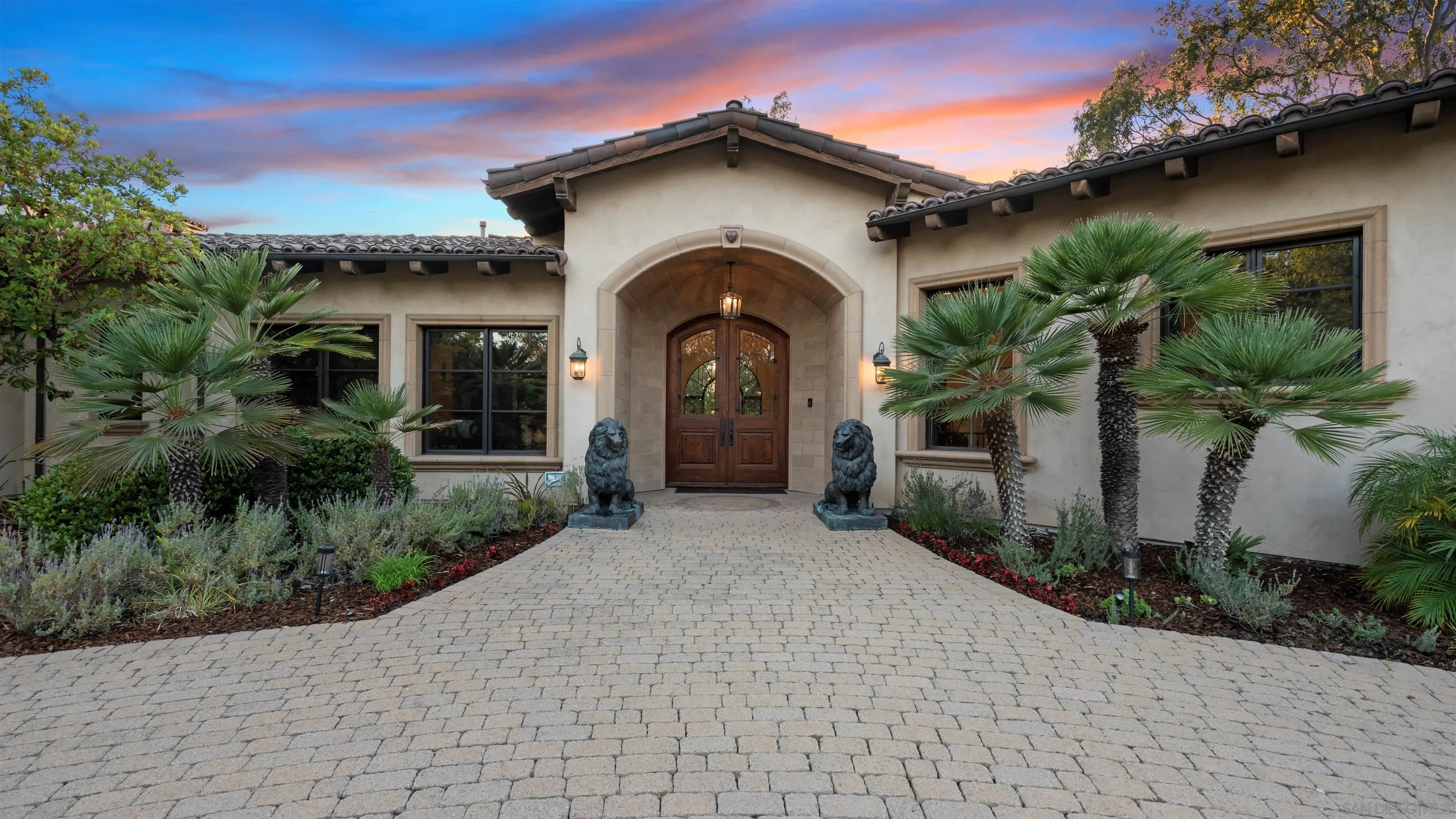
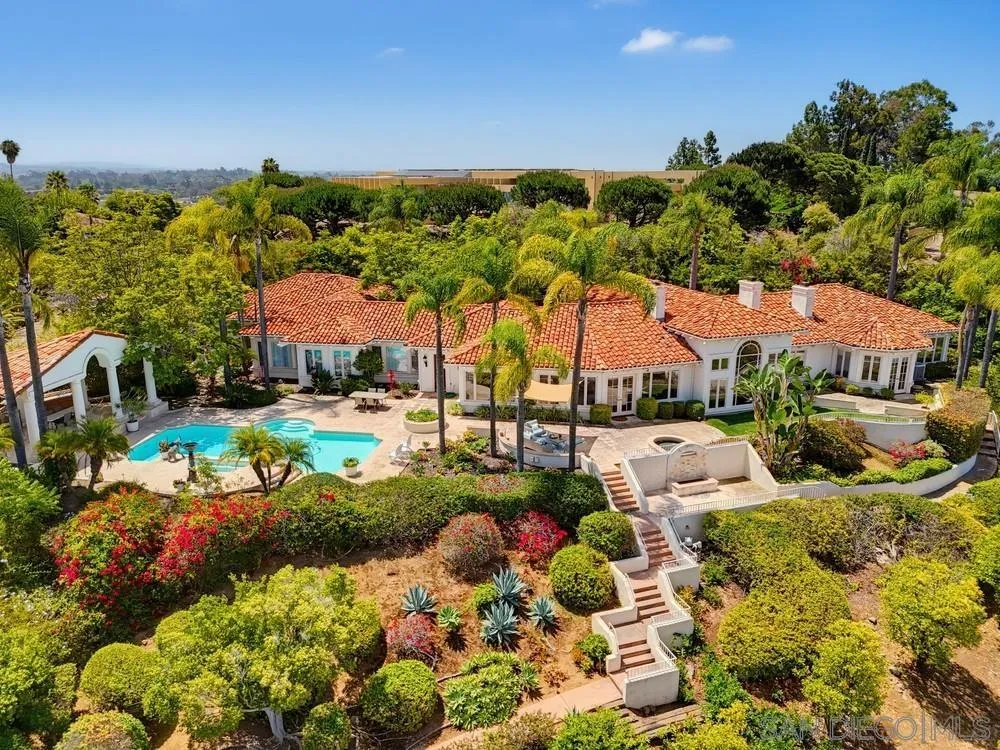
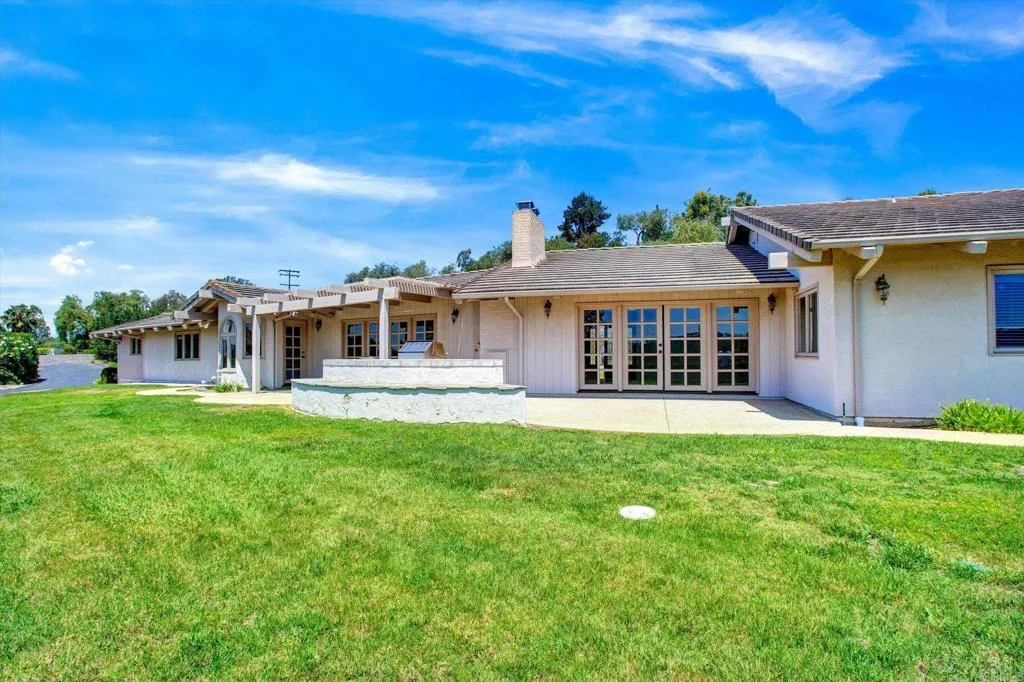
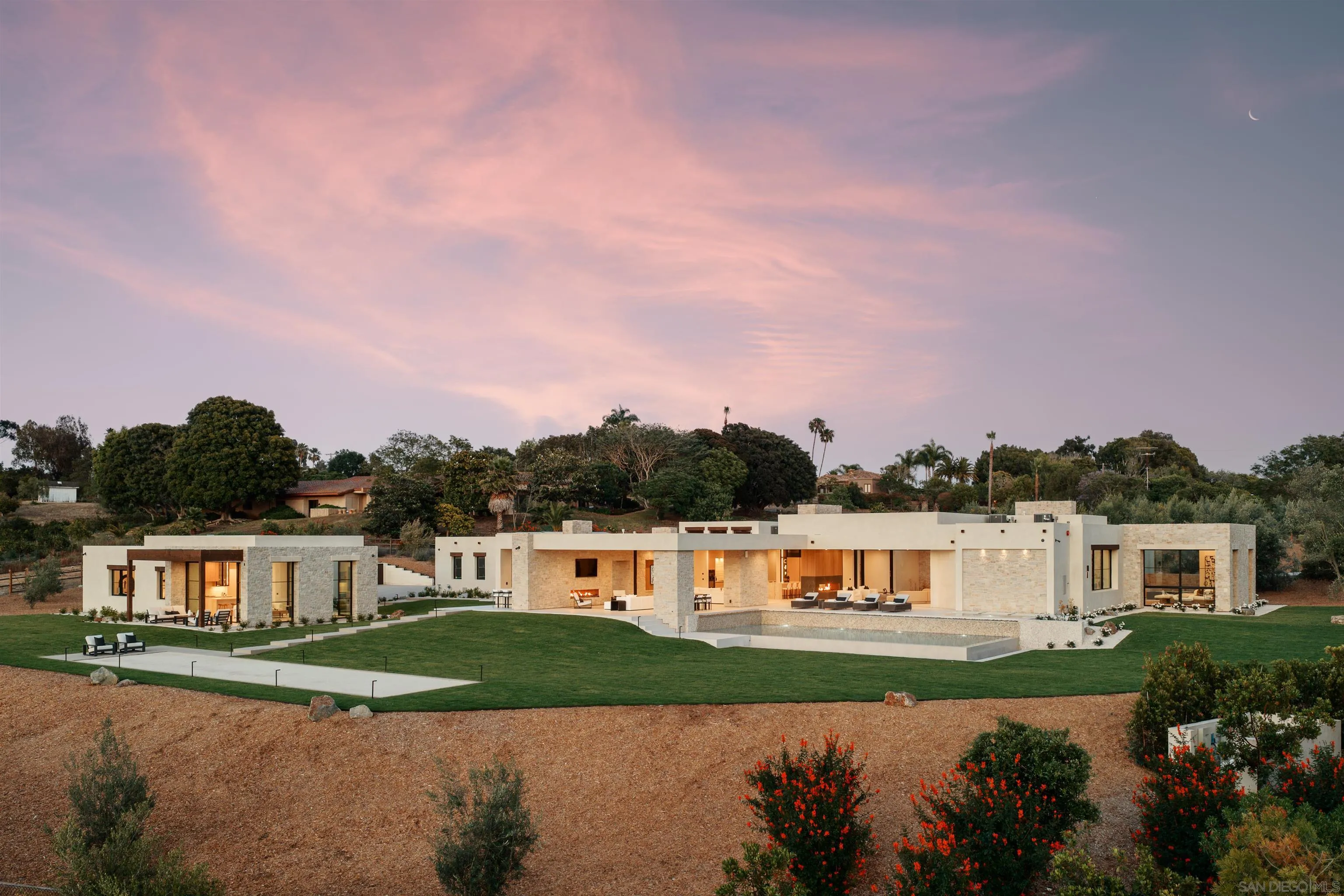
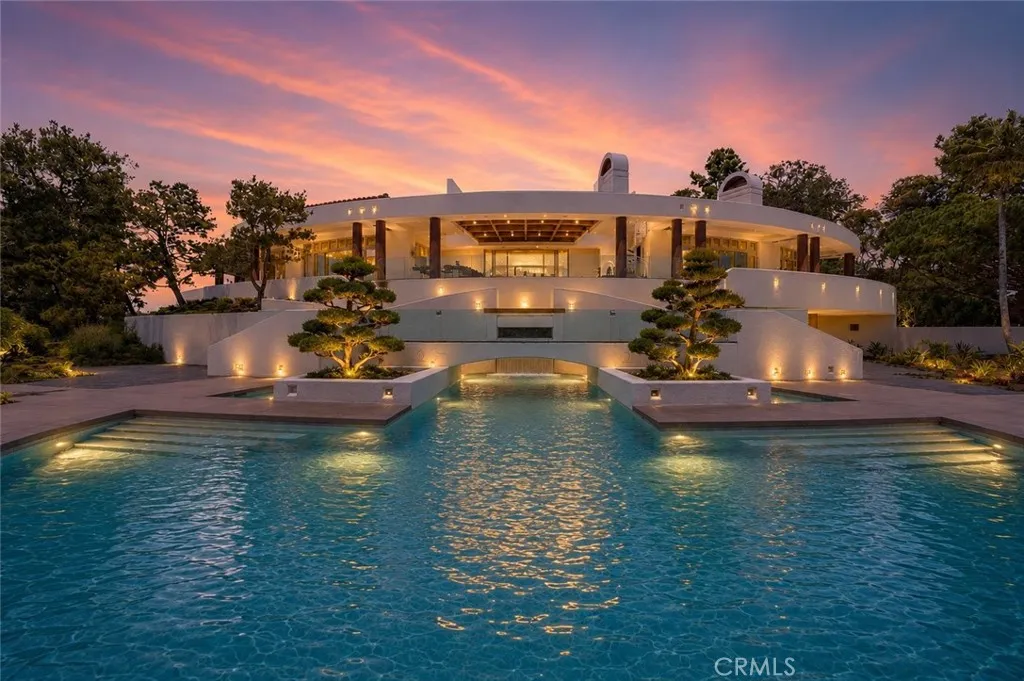
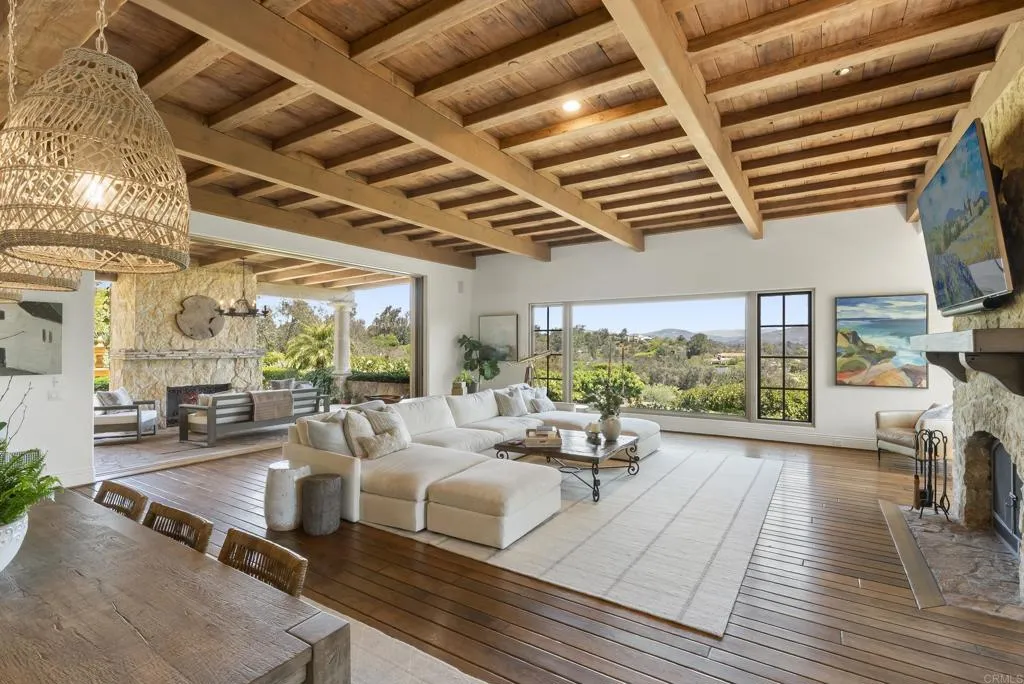
Much of what The Covenant looks like today traces back to one architect. Lilian Rice had graduated from UC Berkeley among the very first women to hold an architecture degree there, and by 1922 — barely past 30 — she'd taken charge of designing the entire community. What she brought to the job was a consistent Spanish Colonial Revival grammar: whitewashed exteriors, clay roof tile, arches marking entryways, and courtyard spaces designed to dissolve the boundary between a room and the garden outside it, a language the community has stuck with ever since. Her own body of work includes the village center, The Inn, and dozens of private residences, all guided by a conviction that a house should defer to its site rather than dominate it — a principle the Art Jury still leans on when weighing any proposed change today. And the review genuinely covers nearly everything: swap out an exterior color, add a fence line, put in a court for tennis, build a corral for horses, or rework the landscaping in any meaningful way, and each one needs sign-off before a shovel goes in the ground. Some residents find the oversight genuinely restrictive; plenty of others consider it the entire reason the neighborhood has held its look for nearly a hundred years without drifting. Homes themselves range from around 1,700 square feet up to sprawling estates past 15,000, with Spanish Colonial and Mediterranean influences dominant, though ranch-style homes, more contemporary interpretations, and Tuscan-leaning estates all appear too — united less by any single floor plan and more by consistent material quality and a shared instinct for working with the land rather than flattening it.
It's worth stating plainly, since it surprises people who assume every high-end Rancho Santa Fe address runs behind a guard gate: The Covenant isn't gated. Some individual properties maintain their own private entrances, but the community as a whole operates on open roads, governed instead by the Association and the Art Jury rather than a checkpoint. That openness pairs with a handful of genuinely unusual daily-life details — there's no home mail delivery here, so everyone collects from the Village post office, and the absence of sidewalks or traffic signals isn't an oversight so much as a deliberate byproduct of roads built to slow people down rather than move them efficiently. It adds up to a place that feels less like a managed development and more like an actual small town that happens to sit inside one of the country's wealthier zip codes.
Golf here dates to 1929, the product of architect Max Behr's design work: an 18-hole, par-72 layout covering close to 6,700 yards across the valley floor, threaded between the same eucalyptus groves planted decades earlier for a railroad tie experiment that never panned out. Opening day fell on June 5, 1929, with Douglas Fairbanks Sr. teeing off as part of the ceremonial first group, and the course has changed remarkably little since — a point of pride locally rather than a complaint. Bing Crosby, an actual Covenant resident, brought his own pro-am event here starting in 1937, an early version of what became known as the "Clambake" before the tournament eventually migrated north and evolved into today's event at Pebble Beach; Sam Snead claimed the trophy in each of the first two years, and the publicity the tournament generated through the Depression era gave Rancho Santa Fe a level of national visibility the area had never had before. Property ownership here carries a social club membership automatically, though the full golf tier stays reserved specifically for Covenant owners — an arrangement dating to 1934, when the Rancho Santa Fe Association assumed control of club operations, and tightened further in 1960 when membership eligibility narrowed to residents exclusively. Championship credentials followed over the decades: the USGA Junior Amateur came through in 2006, the California State Amateur in 2011, and Phil Mickelson counts it as his home course today. But talk to anyone who's played it regularly and the conversation tends to land somewhere else — on how genuinely enjoyable it is to walk, and on Behr's original design logic, which treats hazards as something that gives a hole its character rather than a tool for punishing an ordinary mistake. The net effect holds up at both ends of the skill spectrum: demanding enough for a scratch golfer, still an honestly good time for someone playing on a weekend.
Horses predate the Rancho Santa Fe name itself in this part of the county, and the connection runs well past casual interest — this stretch of land hosted equestrian competition during the 1984 Olympics, and a number of nationally recognized trainers still keep their operations based right here. The private trail network backing that culture up runs close to 60 miles, reserved entirely for residents and whoever they bring along, and the terrain covered varies enormously depending on the route chosen — golf-adjacent stretches with fairway sightlines on one end, shaded paths running under a full tree canopy on another, sections that follow the line of a creek, and climbs that finish on a ridge with the ocean visible in the distance. Width was clearly a design consideration too, since most segments comfortably fit two riders traveling side by side rather than single file. The Rancho Riding Club got its start in 1946 after Hollywood director John Robertson talked a small group of neighbors into meeting up for rides under the moon; a low-budget effort built around potluck dinners eventually grew into an 11-acre operation situated right in the community's center, and today the club still runs summer camps for kids, puts on horse shows, and teaches everything from dressage technique to Western-style riding. Polo has its own following locally, tied back to Del Mar's thoroughbred racing scene — Crosby had a hand in founding the Del Mar Thoroughbred Club in 1936 as well, a short drive away, and horse culture spread from there across the wider region. Riders who want options beyond the Riding Club can also turn to Fairbanks Riding Club, the Rancho Cielo Equestrian Facility, or one of several independent training operations scattered through the area.
R. Roger Rowe School is the sole campus within the Rancho Santa Fe School District, covering kindergarten through eighth grade, positioned centrally within the community and completely reconstructed in 2010 to include a performing arts center alongside modernized classroom space. Enrollment stays deliberately small — teacher ratios sit below 20-to-1 through elementary grades and tighten further to roughly 12-to-1 once students reach middle school — and standardized test results place the school reliably near the very top statewide, supported by a core academic program that expands into art, technology, science, and robotics coursework by the middle school years. From there, most students head to Torrey Pines High within San Dieguito Union High School District, a perennial name on statewide top-school lists, while Canyon Crest Academy over in Carmel Valley and San Dieguito Academy in Encinitas both remain available for families who apply into the district's choice program instead. Private school options in the surrounding area are plentiful too, and plenty of Covenant families choose that path instead — the recurring theme locally seems to be less about any single "right" choice and more about simply having strong options in both directions.
The Village of Rancho Santa Fe functions as this community's actual town center, having changed remarkably little in character since Lilian Rice laid it out in the 1920s. It's home to the post office that handles mail for the entire Covenant, plus the library, a handful of restaurants, boutique shops, and The Inn. Mille Fleurs has anchored serious dining here since 1985, plating French-California cuisine inside a courtyard dressed in hand-painted Spanish tile, live piano covering Friday and Saturday evenings, and a wine program deep enough to hold its own against any restaurant in North County. Nick and G's brings a contemporary Italian-American menu built around wood-fired pizza and pasta made in-house, while Thyme in the Ranch tends to sell through its bakery case before most people have finished their morning coffee elsewhere, and Dolce and Caffe Positano add wine-and-small-plates and straightforward Italian fare respectively, alongside newer additions that have joined the mix over time. Local business owners here know their customers are neighbors rather than tourists passing through, and quality holds up accordingly. Del Rayo Village, a short drive off, adds a pharmacy, a day spa, a weekend farmers market, and other everyday services, but the Village itself remains the actual social center — the kind of place where running into a neighbor is the norm and kids still walk over after school, functioning the way a genuine small-town main street did before shopping malls and delivery apps reshaped everything else.
Back in 1924, what's now The Inn at Rancho Santa Fe opened under the name "La Morada," conceived by the Santa Fe Land Improvement Company as a place to comfortably house prospective land buyers while they looked at available parcels. Lilian Rice handled the design, naturally, and the beamed wood ceiling in today's lobby dates directly back to that first building. Hollywood found its way here soon enough — Bing Crosby became such a regular that the property eventually named its bar for him, and Charlie Chaplin and Mary Pickford numbered among the other early film stars who treated the property as their preferred escape from Los Angeles. A major 2023 renovation kept the historic character intact while bringing everything else up to date. The property now spans roughly 21 acres in the Village center and offers close to 85 places to stay, mixing standard guest rooms with standalone bungalows and larger residences built for multiple bedrooms. The Mila Moursi Spa handles treatments, Lilian's restaurant honors its namesake architect with a seasonal California menu, and additional amenities include a saltwater pool and pickleball courts alongside access to the golf course and tennis facilities. What actually distinguishes it from a typical luxury hotel is how tightly it's woven into the surrounding community rather than existing apart from it — residents use the restaurants and bar for their own celebrations, the grounds regularly host community events, and plenty of longtime Covenant residents have specific childhood memories tied to holiday gatherings held right there.
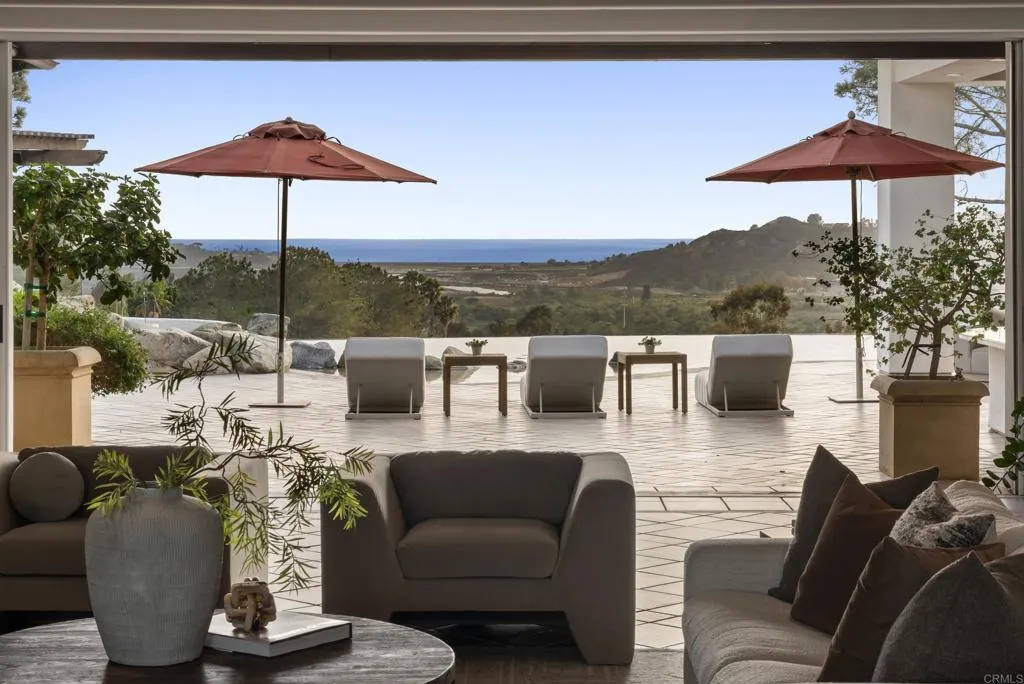
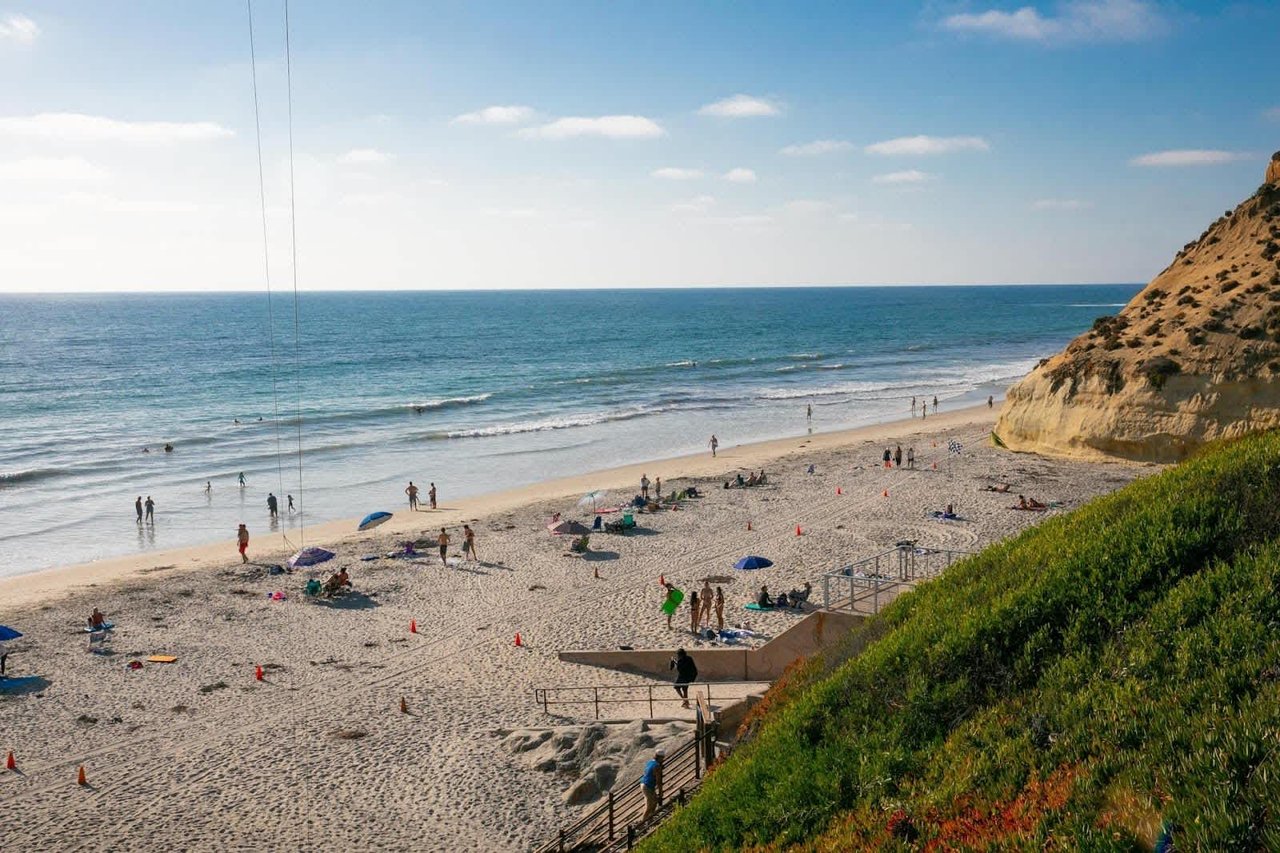
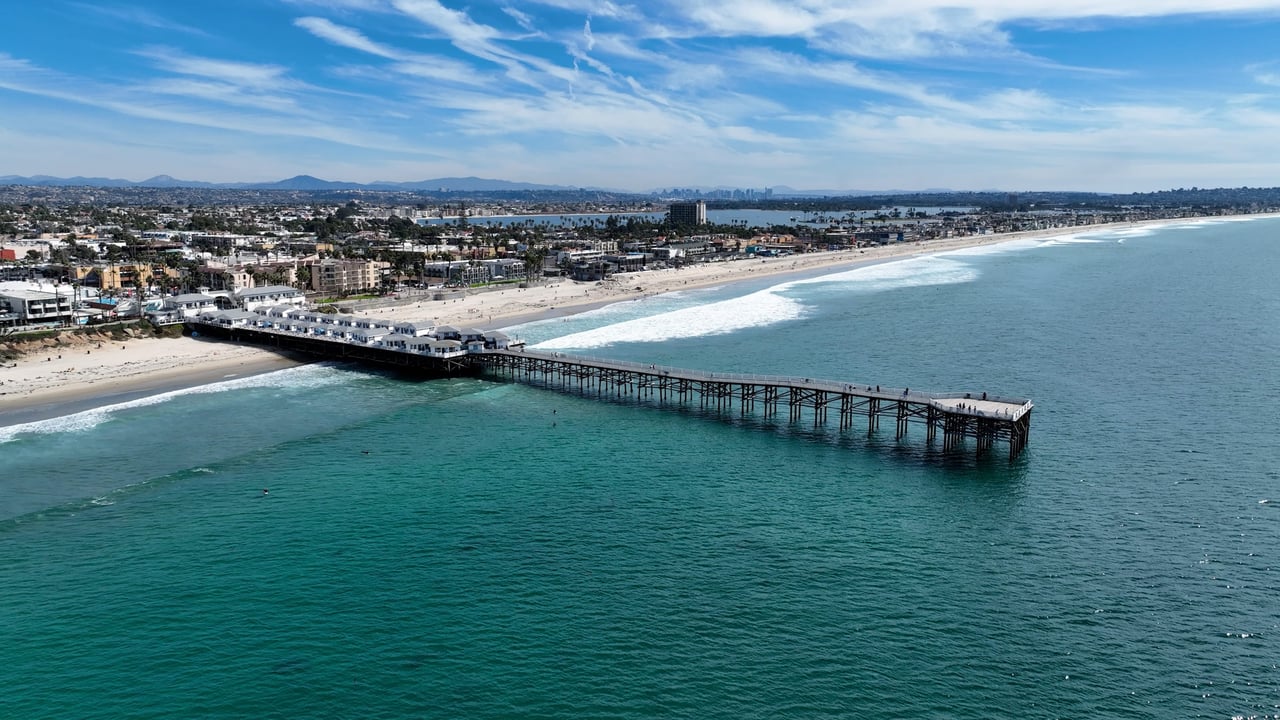
Horses aren't the only ones putting those 60 miles to work — plenty of residents cover the same ground on foot, whether that's a run, a walk, or a proper hike, and the schedule stays active year-round given the climate. Once a month, the community's Trails and Recreation Committee organizes a guided outing of its own: about an hour of walking followed by drinks and light bites back at the Golf Club, a combination that's turned the whole thing into more of a social gathering than an actual fitness routine. The Rancho Santa Fe Tennis Club, an award-winning facility by design and open exclusively to Covenant residents, keeps its courts in strong condition with instruction available across skill levels. Open community land accommodates camping and outdoor gatherings too, though anything involving an actual fire needs a permit plus sign-off from the Rancho Santa Fe Fire Department — a handful of families here have kept up camping traditions passed down across several generations. The ocean itself sits close enough, about five miles out, that a beach day never requires much planning: Solana Beach, Del Mar, and Encinitas each bring their own personality to the coastline, whether the plan involves surfing, paddleboarding, or just a walk at sunset, while Torrey Pines State Natural Reserve covers hiking with ocean views to the south and San Elijo Lagoon Ecological Reserve offers wetland trails that draw birders and photographers alike.
The Rancho Santa Fe Association took over stewardship of The Covenant in 1927 and has run things continuously since, putting it among the longest-standing homeowners associations anywhere in the United States. Dues get calculated against assessed property value — the current rate sits around 14 cents for every $100 — and that revenue pays for shared-space upkeep, trail maintenance, the community events calendar, and the Association's own operating costs. Its reach extends well past the Art Jury, too: with no actual city government here, and San Diego County serving as the formal jurisdiction, the Association effectively supplies what a municipality normally would, taking on road upkeep, fire-safety coordination, garbage pickup, security patrols, and resident communications in a city hall's absence. What stands out is just how self-governed the whole system is: the people sitting on the board and volunteering for committees are simply neighbors who happen to own property here, not outside management brought in to run things. The original covenant document has gone through repeated amendments across the decades to stay current, though its underlying goal has never really shifted. None of it appeals to everybody, to be fair — design rules strict enough to preserve a consistent look will read as stifling to anyone hoping to build something genuinely modern, and life here means driving for absolutely everything, since walking to a corner store simply isn't an option in this layout. For the people who end up staying anyway, the general attitude seems to be that the restrictions themselves are the reason the place has kept its identity this long.
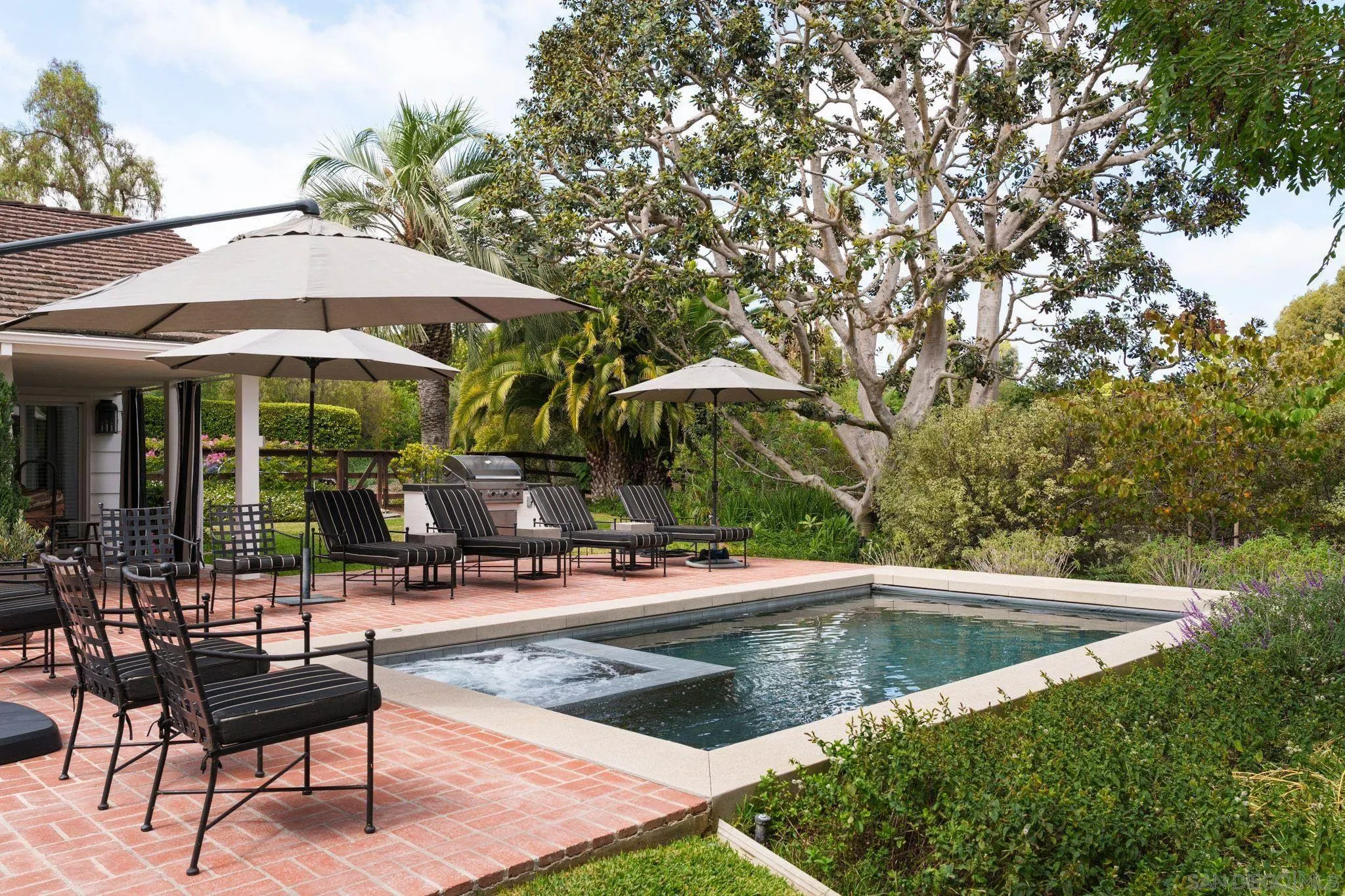
Sound reaches people here before much else does most mornings — hoofbeats somewhere out on a trail, maybe a rooster from a property that still keeps a small flock, a general backdrop of birdsong that the eucalyptus and surrounding open land support in abundance, plus the occasional coyote passing through or a hawk working the thermals above. By afternoon, options split between the golf course, the tennis courts, a horse, or a trip down to the Village for errands, and everything runs at a visibly relaxed pace — a byproduct of roads that were never built for speed to begin with, plus lots large enough that most residents genuinely control how much they see of their neighbors rather than having proximity forced on them. Evening tends to bring out the kind of hosting that only this much land really supports: dinner set up outdoors under string lighting, a crowd moving loosely between a pool house and a patio, made easier by a climate that cooperates for most of the calendar — moderate temperatures, dry air, sunshine on the majority of days each year — where living half indoors and half outside isn't a stylistic choice so much as simply the default. Connection between residents tends to build through overlap rather than deliberate effort: the same golf events, the same riding club calendar, the same handful of Association meetings, one shared school that every local kid eventually passes through, trails that get ridden by the same families year after year, and a running list of concerns — wildfire, water supply, keeping the place from losing what makes it itself — that ends up getting discussed at the same dinner tables and the same committee gatherings across generations.
Living here comes with real constraints that some buyers will never warm to — every visible change to a property has to clear a committee, a car is required for essentially every errand, and the whole atmosphere runs formal enough that it won't appeal to someone chasing a livelier, more urban pace. What that trade actually buys, though, is something most newly built luxury communities can only gesture at: a place whose look and feel weren't decided by a developer's marketing team, but by a hundred years of the same families choosing, generation after generation, to keep it recognizable. Property values here reflect land and construction quality the way they do anywhere, certainly, but the deeper asset is continuity itself — proof that a shared agreement, honestly enforced, can actually hold a place together across a century in a region where almost nothing else has.
(Qualitative overview — figures fluctuate and buyers should confirm current data with an agent)
Because The Covenant is not a gated community, buyers should not assume the same security infrastructure found in many surrounding Rancho Santa Fe developments, and should evaluate privacy expectations accordingly.
Homes requiring exterior changes or new construction should factor in Art Jury review timelines, since approval is required for nearly all visible modifications, from paint color to new structures.
Golf-focused buyers should understand membership structure carefully: social membership comes with property ownership, but full golf membership availability and terms should be confirmed directly with the Rancho Santa Fe Golf Club.
Given the wide range of lot sizes (roughly two acres up to 40 or more) and home sizes (1,700 to over 15,000 square feet), buyers should clarify specific property scale rather than assuming uniformity across the community.
Because R. Roger Rowe School is the only campus in the Rancho Santa Fe School District, families should confirm current enrollment boundaries and any relevant waitlist considerations directly with the district.
Is The Covenant a gated community?
No, The Covenant is not a gated community. It operates on open roads governed by the Rancho Santa Fe Association and the Art Jury, though some individual properties maintain private gates.
What is the Art Jury?
The Art Jury is a design-review body that must approve nearly all exterior changes within The Covenant, including paint colors, fences, landscaping, and new construction, to preserve the community's historic architectural character.
How many homes are in The Covenant, and how big are the lots?
Roughly 2,000 homes sit across about 6,200 acres, with most lots around two acres, though some estates extend to 40 acres or more.
Who designed The Covenant's architecture?
Architect Lilian Rice designed the village center, The Inn, and dozens of homes starting in 1922, establishing the Spanish Colonial Revival style that still defines the community.
Does home ownership in The Covenant include golf club membership?
Property ownership includes an automatic social membership to the Rancho Santa Fe Golf Club; full golf membership is available exclusively to Covenant property owners.
What school serves The Covenant?
R. Roger Rowe School is the only school in the Rancho Santa Fe School District, serving grades K-8, with Torrey Pines High School the typical next step through San Dieguito Union High School District.
Is there home mail delivery in The Covenant?
No, there is no home mail delivery; residents collect mail from the post office in the Village of Rancho Santa Fe.
How many miles of trails does The Covenant have?
The Covenant maintains nearly 60 miles of private equestrian and pedestrian trails, open exclusively to residents and their guests.
When was The Covenant established?
The Covenant was established in 1928 and was designated a California State Historical Landmark in 1989.
How far is The Covenant from the beach?
The Covenant sits roughly five miles from the Pacific Ocean, with Solana Beach typically reachable in under 15 minutes.
Thinking about buying a home in Rancho Santa Fe?
Allow our team of luxury real estate specialists to help you navigate every step of the buying or selling process. With deep local expertise and firsthand knowledge of the Rancho Santa Fe market, we provide the insight and strategy you need to make confident real estate decisions.
Connect with The Comiskey Group at Compass for trusted representation, whether you’re searching for your next Rancho Santa Fe property or ready to list your current home.