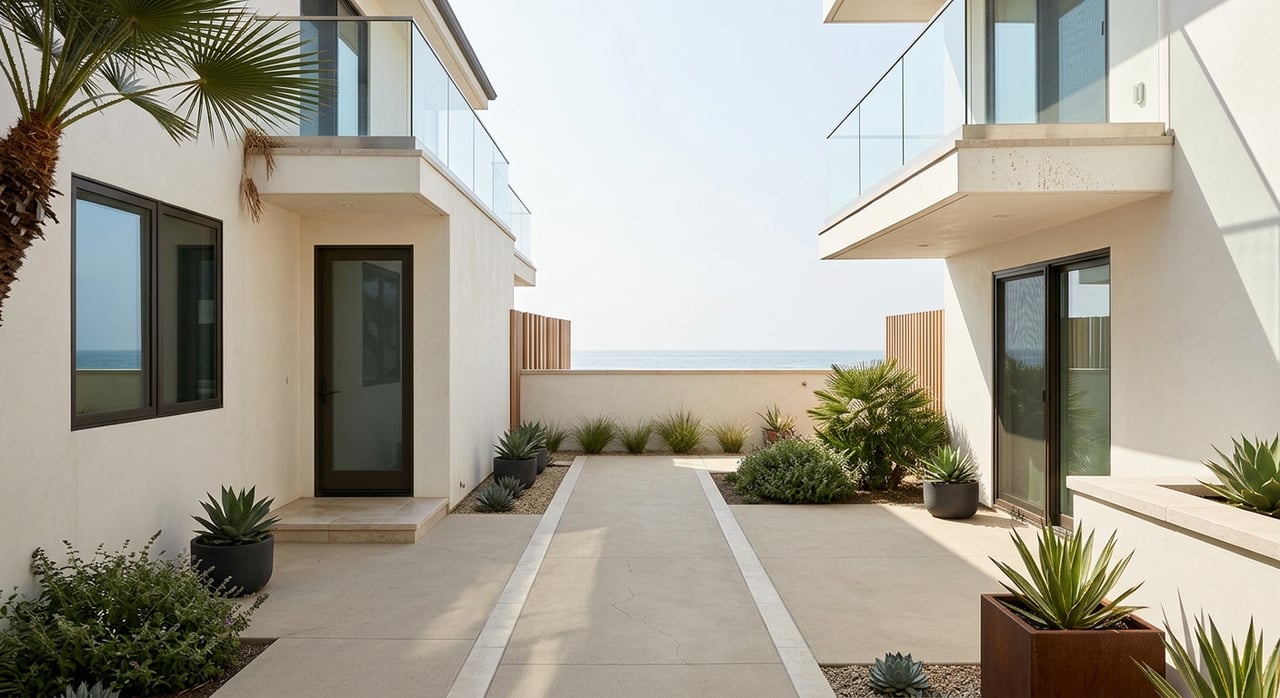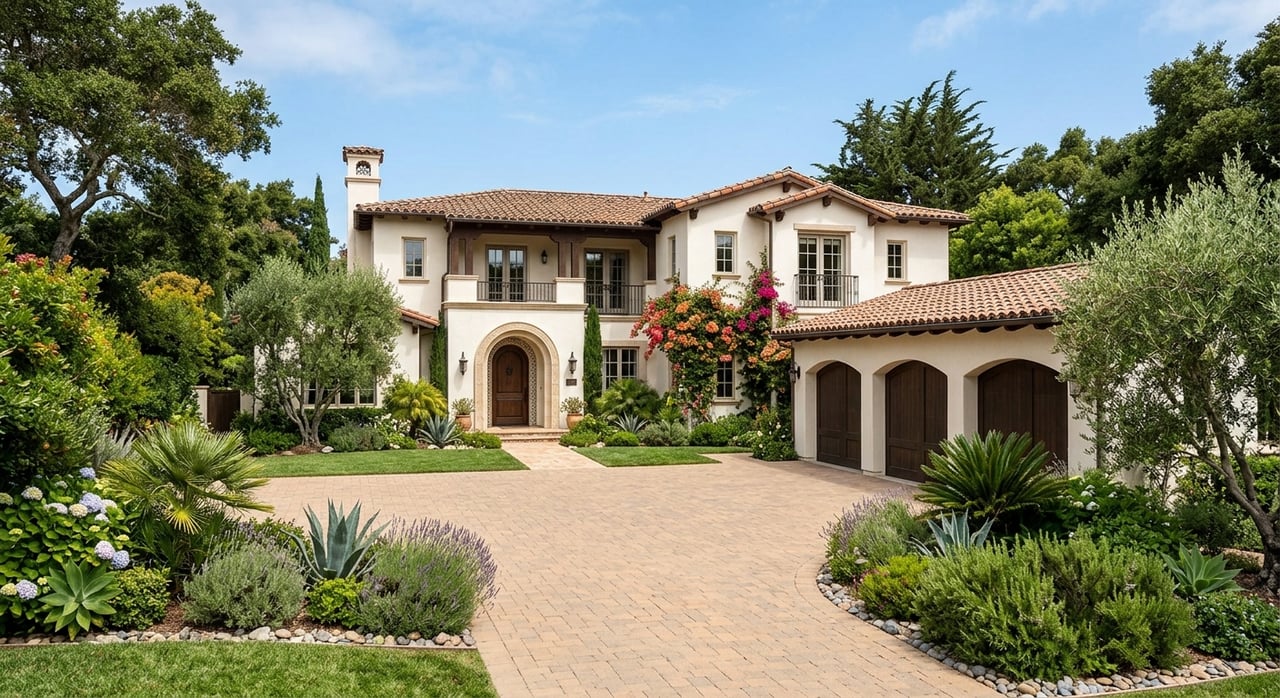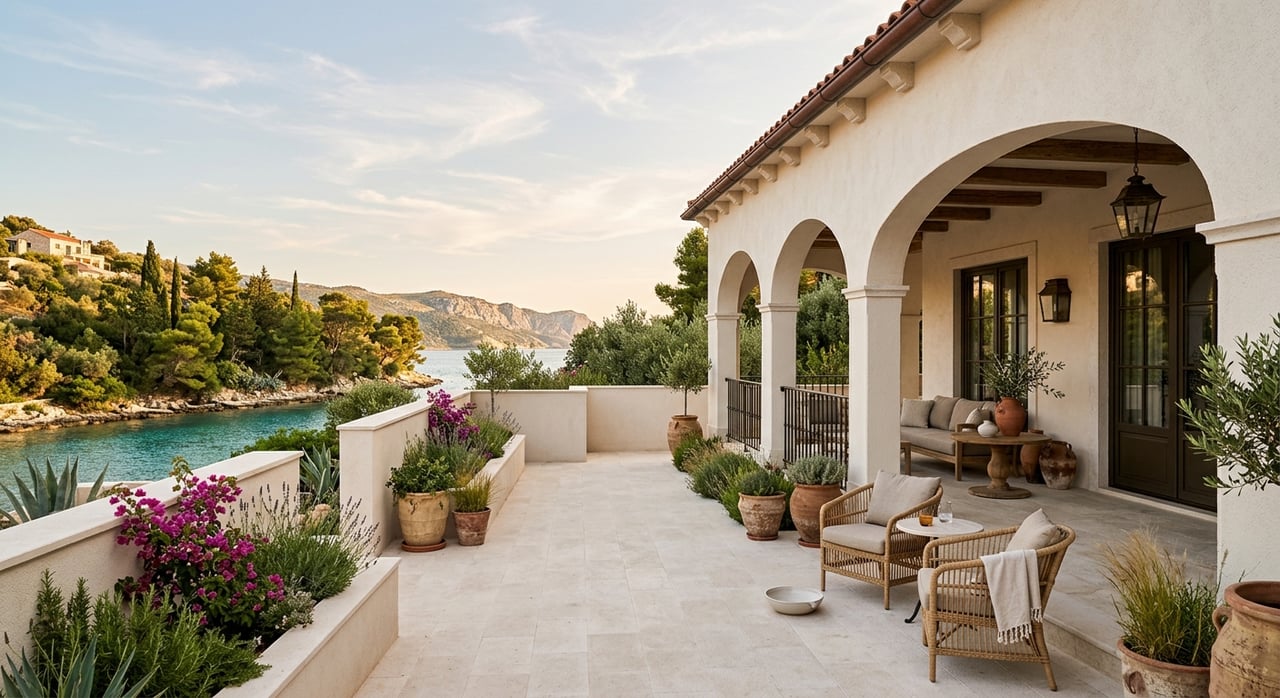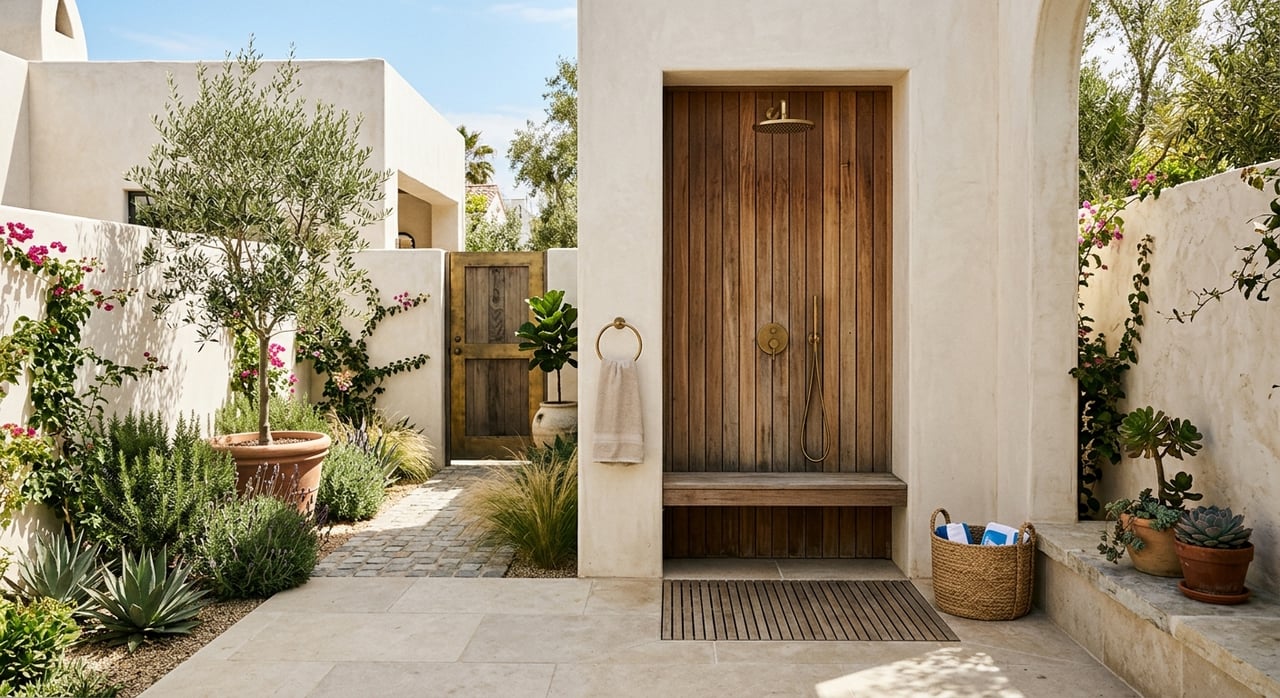
If you are trying to picture what life in Olde Solana Beach really feels like, start with this: it is one of those rare coastal pockets where beach access, local businesses, and everyday convenience all sit within a compact footprint. You are not chasing a resort version of the coast here. You are stepping into a lived-in, walkable part of Solana Beach where mornings can begin near the sand, afternoons can unfold along Cedros Avenue, and evenings stay relaxed but active. Let’s take a look at what a day in Olde Solana Beach can actually feel like.
Why Olde Solana Beach Feels Different
Olde Solana Beach is best understood as the older coastal core of Solana Beach rather than a separate formal district. The city describes Solana Beach as a former farming community that now blends suburban neighborhoods with urban amenities, especially around Cedros Avenue and Historic Highway 101.
That mix is a big part of the appeal. You get a beach-town setting with a stronger everyday rhythm than a purely visitor-focused destination. In a small area, you can move between shoreline access, coffee stops, design shops, dining, and transit without feeling like you need to map out a full day in advance.
Start the Morning at Fletcher Cove
A local-style day often starts at the water. Fletcher Cove is one of the most practical anchors for the area because it combines public beach access with amenities that make spontaneous coastal time easy.
At the end of Lomas Santa Fe Boulevard, Fletcher Cove offers public parking, showers, restrooms, picnic tables, a basketball court, and year-round lifeguards. It is also just a few hundred yards from the Solana Beach Station on the Amtrak and Coaster lines, which adds to the area’s car-light appeal.
There is also a sense of local history here. The city notes that the Fletcher Cove notch was created in 1924 to provide beach access, and improvements to the access ramp and surrounding area were completed on April 9, 2026.
Know the Coastal Layout
One of the best things about Solana Beach is that the shoreline experience changes from access point to access point. This is not one long, uninterrupted stretch with the same feel everywhere.
Tide Beach Park is known for reef and tide pools. Seascape Surf offers a wide sandy beach at low tide. Del Mar Shores works well as a scenic viewpoint. If you spend enough time here, you start to appreciate that each stop has its own rhythm.
Walk Smart During High Tide
Solana Beach’s coastal plan notes that there are eight vertical access points, four of them public, spaced about 1,000 to 2,000 feet apart. Because beaches can narrow and lateral access can be limited, the Coastal Rail Trail along Highway 101 becomes especially useful when tides are high.
That is part of what shapes daily life here. Locals tend to think in terms of access points, tide timing, and walking routes rather than assuming the coast functions the same way all day.
Midday on Cedros Avenue
After the beach, the day naturally shifts inland by just a few blocks. Cedros Avenue is the heart of that transition, and it plays a major role in why this part of Solana Beach feels so livable.
Cedros describes itself as home to more than 85 merchants across 2.5 blocks. Instead of feeling like a one-note shopping area, it reads more like a compact lifestyle district with fashion, art, jewelry, outdoor cafes, and a strong concentration of home and interior design showrooms.
For you, that means midday can stay flexible. You might grab coffee, browse a gallery, stop into a design store, and settle into a casual lunch without ever needing to move your car.
What You’ll Find on Cedros
The merchant mix supports the everyday-local feel that defines the area. The directory includes businesses such as Barefoot Coffee Roasters, Carruth Cellars, Culture Brewing Co., Belly Up, art businesses, and many home-focused showrooms.
That variety matters. It makes Cedros feel useful on an ordinary Tuesday, not just lively on a weekend.
Easy Access Without a Car
Cedros is also easy to reach on foot from the Solana Beach Station. The district’s visit information says riders can get off at the station and walk across the street to Cedros Avenue.
That kind of access shapes the lifestyle in a real way. In a coastal market where convenience can be hard to find, Olde Solana Beach stands out for letting you connect beach time, errands, dining, and entertainment in one compact area.
Sunday Has Its Own Rhythm
If your ideal local day lands on a Sunday, Cedros Farmers Market adds another layer. It runs from 12 PM to 4 PM and features produce, flowers, breads, pastries, chocolates, smoked salmon, and a food court.
It is an easy detail to overlook, but markets like this help define how a neighborhood lives. They create reasons to linger, shop small, and settle into a slower pace for the afternoon.
The Afternoon Feel of the Neighborhood
Olde Solana Beach is not only about where you go. It is also about how the streets and homes feel as you move through them.
The housing story here is best told through scale, character, and continuity. Rather than framing the area as a preserved historic district, it is more accurate to think of it as a coastal core where older roots, smaller-scale architecture, and updated or rebuilt homes coexist.
A Mix of Coastal Character
City materials point to California Craftsman influences, including bungalow forms, low roofs, and eaves associated with local beach cottages. That design language helps explain why parts of the area still feel grounded in beach-town character even as homes evolve over time.
You can see that balance in the overall streetscape. Some homes reflect classic cottage or bungalow influences, while others have been remodeled or rebuilt, often within design rules intended to maintain neighborhood scale.
History Still Matters Here
Solana Beach’s broader history is still visible, even though the city notes that many early structures gave way to newer development. The oldest in-place structure identified in the city’s coastal plan is the 1925 Gonzales House, now relocated to La Colonia Park.
La Colonia de Eden Gardens, the city’s oldest neighborhood, was built by Mexican American workers as mostly single-level adobe residences. The city also notes that local food markets and eateries operated by descendants of original owners remain part of that community, alongside places such as the Tree of Life tiled wall and the Solana Beach Heritage Museum.
For anyone thinking about lifestyle first, this context matters. It reminds you that Solana Beach is not just scenic. It also has a layered local identity.
Why Evenings Stay Relaxed Here
Evenings in Olde Solana Beach tend to feel low-key in the best way. This is less about dense nightlife and more about having enough within a short walk to shape the night however you want.
You can have dinner, stop for a drink, browse a little longer, or head to live music without covering much ground. Belly Up is one reliable evening anchor within the Cedros mix, and the district itself supports a broader pattern of dining, entertainment, and casual gathering.
That compactness is a major part of the charm. You are not spending the evening in transit between plans. You are staying in a walkable coastal setting where the night can stay simple and still feel full.
Why Buyers Stay Drawn to Olde Solana Beach
For many buyers, the appeal comes down to access and rarity. Solana Beach’s planning framework places a strong emphasis on public coastal access, pedestrian and bicycle circulation, and visitor-serving uses.
The city also identifies a transportation network that includes Highway 101, I-5, the NCTD and Amtrak rail line, the transit station, bus routes, Lomas Santa Fe Drive, and the Coastal Rail Trail. In practical terms, that means Olde Solana Beach offers a coastal lifestyle that can feel connected rather than isolated.
A Small Footprint With Daily Convenience
This area remains coveted because so much of daily life fits into a small space. You have surf and sand nearby, a design-forward commercial strip close at hand, visible architectural character, and transit options that support a lighter-car lifestyle.
That combination is hard to replicate. It gives Olde Solana Beach a feel that is both polished and grounded, which is exactly why many buyers keep it on their radar.
What Living Like a Local Really Means
Living like a local in Olde Solana Beach is not about packing your day with must-see stops. It is about ease. You can start with the coast, spend the middle of the day in a walkable district full of coffee, design, and casual dining, and finish with an evening that stays social without feeling hectic.
For buyers who value coastal access, neighborhood character, and a more connected daily rhythm, Olde Solana Beach offers a lifestyle that feels genuinely hard to replace. If you are exploring Solana Beach or other nearby coastal communities, The Comiskey Group & Marilyn Comiskey can help you navigate the market with local insight and a refined, highly personalized approach.
FAQs
What is Olde Solana Beach known for?
- Olde Solana Beach is known for its compact coastal setting, with beach access, Cedros Avenue shopping and dining, nearby transit, and a mix of older neighborhood character and updated homes.
What beach access points are near Olde Solana Beach?
- Fletcher Cove is a key access point, and nearby shoreline experiences also include Tide Beach Park, Seascape Surf, and Del Mar Shores.
What can you do on Cedros Avenue in Solana Beach?
- Cedros Avenue offers coffee shops, galleries, design showrooms, boutiques, outdoor cafes, dining, and entertainment within about 2.5 walkable blocks.
Is Olde Solana Beach walkable?
- Yes. The area is especially valued for its compact layout, with beach access, Cedros Avenue, and the Solana Beach Station located close together.
What is the housing character in Olde Solana Beach?
- The area is best described as a coastal core with beach cottages, bungalow and Craftsman influences, and newer or remodeled homes that generally maintain neighborhood scale and character.
Can you get around Olde Solana Beach without a car?
- In many cases, yes. The area benefits from access to the Solana Beach Station, bus routes, the Coastal Rail Trail, and a walkable layout near the beach and Cedros Avenue.